Do you know how quickly a small spark can become a serious building emergency?
Modern fire protection systems are designed to spot danger early, slow its spread, and guide people toward safer exits. They also help business owners protect property, meet code needs, and reduce downtime after an incident. For offices, restaurants, shops, warehouses, and schools, these systems are no longer optional safety extras for busy properties.
This article explains how modern fire protection systems improve building safety and why regular care matters in every season. Read on!
Faster Detection Gives More Time
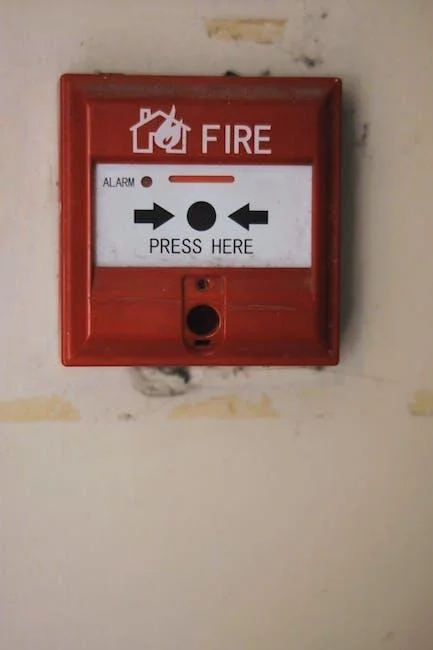
A modern alarm system is often the first warning that something is wrong inside a building. Sensors can detect smoke, heat, or flame before nearby people realize the danger or see the source. That early alert gives workers, visitors, and residents more time to stop work, choose an exit, and move away safely.
Fast detection also helps emergency crews respond with better information from the start. When alarms are clear and placed well, people do not waste time guessing what to do next. A few extra minutes can protect lives, limit damage throughout the building, and prevent a bad event from getting worse.
Sprinklers Help Control Flames
Fire sprinklers are built to act at the source of heat instead of waiting for a fire to spread. They release water where temperatures rise, which helps keep flames from moving across rooms and hallways. This control can protect escape paths, reduce smoke, and lower the chance of a larger emergency.
Many people think every sprinkler turns on at once, but that is usually not how systems work. Most heads respond only when heat reaches their own area, so the response stays focused. This targeted action can reduce fire damage, limit unnecessary water use, and help crews control the scene.
Suppression Systems Match the Risk
Not every space should use the same type of fire control system. A restaurant kitchen, server room, warehouse, and paint booth can all face different hazards each day. Modern suppression systems are chosen around the fuel, equipment, airflow, and people inside each area rather than one generic checklist.
This matters because the wrong system can create more problems during the fire response. Clean agents may protect electronics, while kitchen systems target hot grease and cooking equipment. A custom approach helps the building handle its real risks instead of relying on one broad answer for every room.
Clear Exits Reduce Panic
Safety is not only about stopping flames before they spread. People also need clear routes, bright signs, and working emergency lights when smoke or fear makes it hard to think. Modern exit lighting helps guide movement inside busy halls and stairwells when normal power fails or visibility gets worse.
Good exit planning also supports visitors who do not know the building well. When routes are marked and kept open, crowds can leave with less confusion and fewer dangerous delays. This simple layer of safety can make a stressful moment easier to manage for staff, customers, and guests.
Extinguishers Support First Response
Portable extinguishers can help trained people act before a small fire grows beyond control. They are not meant to replace alarms or sprinklers, but they are useful when the danger is still limited. The key is having the right type in the right place, with access that stays clear.
A proper extinguisher plan includes placement, labels, access, and routine checks by qualified people. Staff should know when to use one, how to aim it, and when to leave. This balance keeps people from taking unsafe risks while still giving them a useful safety tool in an early emergency.
Monitoring Keeps Help Close
Fire protection does not stop when a building is empty or quiet. Monitored systems can send alerts when alarms activate after hours, during holidays, or during low-staff shifts. This helps managers and first responders know about trouble sooner and take action before damage grows too far inside the property.
Monitoring is especially useful for businesses with valuable equipment, stock, records, or large work areas. A fast alert can reduce the time a fire has to grow unseen behind a door or wall. It also adds peace of mind for owners who cannot watch every room all day.
Inspections Find Hidden Problems
Even strong systems can fail if no one checks them on a steady schedule. Dust, blocked devices, worn parts, closed valves, or dead batteries can weaken protection over time. Routine inspections find those issues before an emergency exposes them at the worst possible moment for everyone inside the building.
Inspections also help businesses stay aligned with local code needs and basic safety duties. Records show that systems have been tested, repaired, and maintained in a responsible way. This documentation can support safety reviews, insurance needs, smoother operations, and faster answers after an incident when questions come up.
Smart Design Fits Each Building
A safe system starts with a clear look at how the building is used each day. Layout, foot traffic, storage, cooking equipment, and electrical rooms all affect fire risk. That is why business owners often look for fire protection services in Marietta that understand both system design and local needs.
Smart design also leaves room for change as the property grows. A shop may add storage, a kitchen may change equipment, or an office may remodel its floor plan. When systems are planned well, updates are easier during future work, and safety stays connected to daily operations.
Training Turns Equipment Into Action
Fire protection equipment works best when people know how to respond under pressure. Employees should understand alarms, exit routes, extinguisher basics, meeting points, and simple reporting steps. Simple training can reduce panic and help everyone move with purpose instead of waiting for instructions from one person.
Drills also reveal problems that are easy to miss on paper. A blocked hallway, confusing sign, or slow exit route becomes clear when people practice. Training turns a written plan into habits that can matter during a real emergency, especially when seconds feel long and choices feel hard.
Safer Buildings Start Here
Modern fire protection is a layered approach that protects people before, during, and after a fire. Each part supports the next, from detection and control to exits, maintenance, and training. When those parts work together, a building becomes safer and easier to manage.
Good safety planning also shows care for everyone who enters the property. The best time to improve protection is before a small risk becomes a major loss and disrupts daily life for everyone.
Did you like this guide? Great! Please browse our website at 2amagazine.com for more!