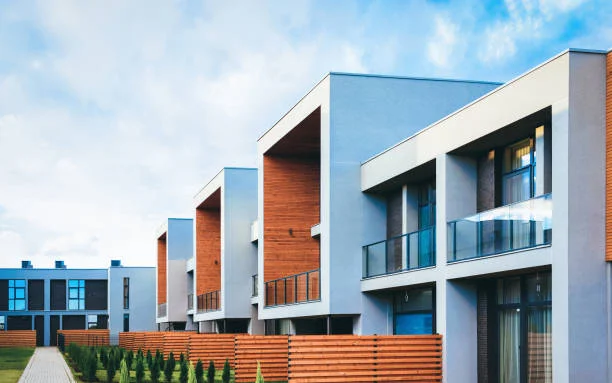
In today’s competitive property market, the line between functional residential design and lucrative real estate investment is increasingly blurred. Modern tenants, particularly millennials and Generation Z, are no longer just looking for a place to sleep. They are searching for lifestyle-oriented spaces that offer sustainable systems, smart technology, and thoughtful architectural layouts. For property owners, this shift in tenant preferences presents a unique opportunity Modern Architectural Upgrades. Landlords undertaking targeted aesthetic and functional apartment renovations frequently report immediate returns on investment reaching up to 13 percent annually on the capital spent. Strategic upgrades to a property’s architecture and interior design can significantly elevate its market appeal and drive higher rental yields.
The Financial Case for Strategic Renovations
Before starting a major renovation, investors need to understand their current market position. In highly competitive areas like the Newcastle property market, vacancy rates consistently hover around a tight one percent. Older properties in the Hunter Region are frequently being upgraded to cater to a steady influx of remote workers and former Sydney residents seeking lifestyle-oriented homes. Median weekly rents in Newcastle have stabilised at premium levels, meaning landlords undertaking strategic renovations can push their baseline gross yields well above the region’s historical 3.9 percent average for units.
However, overcapitalisation remains a real risk if renovations do not align with local demographic demands. Industry experts strongly advise investors to secure a free rental appraisal prior to commencing construction. Establishing a baseline yield ensures that any capital spent on structural enhancements will translate into tangible financial returns rather than wasted expenditure.
Sustainable Systems and the Green Premium
Sustainability is no longer a niche preference but a fundamental driver of property valuation. Upgrading a building’s thermal envelope and overall energy efficiency can reduce household operational costs by approximately $1,000 per year per apartment. This saving gives landlords direct leverage to increase weekly rent without diminishing the value offered to the tenant. In fact, Australian properties with an 8+ NatHERS rating can command up to a six percent rental premium compared to standard, non-rated properties.
According to recent CBRE research confirming a rental premium for green buildings alongside an emerging brown discount, lower rents and market prices are increasingly penalising buildings with weaker environmental performance. Properties boasting recognised Green Star certifications consistently capture higher rental rates while simultaneously enjoying an average 2.5 percent higher occupancy rate. Investors can also take advantage of programs like the NSW Energy Savings Scheme, which offers targeted rebates for upgrading lighting and heating systems to help subsidise the cost of these sustainable enhancements.
High-Impact Amenities and Smart Technology
Beyond overarching structural changes, integrating specific lifestyle amenities drastically improves tenant retention and market competitiveness. Upgrading older, mid-century residential units to include previously omitted functional elements is essential in the modern market. When exploring modern tenant expectations, it is clear that integrating amenities that truly elevate modern residences, such as high-efficiency HVAC and biophilic design, not only reduces energy costs but significantly improves tenant wellbeing. Renters show a strong willingness to pay higher weekly rates for properties that offer these streamlined living experiences.
To maximise short-term rental yields, property owners should focus on several proven architectural and functional upgrades:
- Smart Access Control: The installation of keyless entry and mobile-integrated intercoms is increasingly expected by premium tenants. This actively reduces property management overhead associated with lost keys.
- Energy-Efficient Climate Control: Adding modern split-system air conditioning is recognised as a high-return upgrade, often adding between $10 and $20 per week in rental income while broadening the prospective tenant pool.
- Aesthetic Kitchen Modernisation: Minor architectural facelifts, such as updating cabinetry profiles or installing stone benchtop overlays, can deliver the visual impact of a full structural demolition at a fraction of the cost.
- Smart Home Integrations: Over 40 percent of Australian households now use smart home devices. Integrated smart displays that allow renters to manage automated lighting and security systems are heavily prioritised by tech-savvy demographics.
- Functional Spatial Additions: Adding built-in wardrobes, internal laundries, and modern dishwashers transforms outdated units into highly competitive listings.
The intersection of thoughtful architecture and strategic property investment offers a clear path to enhanced rental yields. By focusing on sustainable building practices, smart technology integration, and highly desired functional amenities, property owners can future-proof their investments. Modernising a residential space not only attracts a premium tenant demographic but ensures the property remains competitive and profitable in an ever-evolving housing market. This proactive approach ensures that every dollar spent directly contributes to long-term asset appreciation and stable, high-yield tenancy agreements.
If you only read one thing today, make it this blueprint at 2A Magazine.