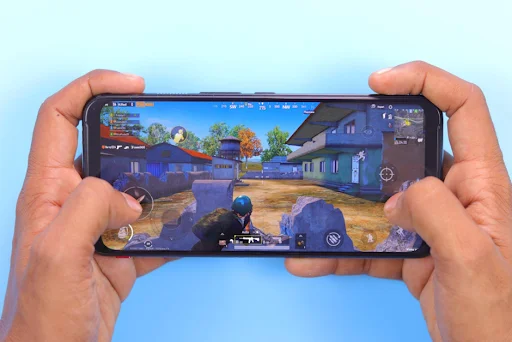
Mobile gaming revenue hit $92 billion in 2024, which was 49% of the total revenue for gaming worldwide. It shows just how successful the industry has become since its earlier days of Tetris and other 2D titles. Analysts once believed that phone-based entertainment would only maintain a small section of the market, but the numbers are proving them wrong. Global reach, quick adoption, and the constant need to innovate have helped the gaming industry explode into an unimaginable force.
That success is quickly starting to influence how other sectors approach security, speed, and interaction. Mobile games continue to grow because smartphones have touched nearly every hand around the world. The growth alone has developed a breeding ground that influences how other sectors design their apps. The reality is that small-screen gaming is more influential than ever.
Spotlight on today’s highlight—this related read delivers value and clarity.
Modern Payments That Meet Today’s Expected Pace
Many of the more notable changes over the last few years originated from the modern payment systems used by mobile gaming platforms. Developers saw an opportunity to break away from the outdated card and bank transfer systems that caused frustrating delays as millions of gamers more often chose to use Google Pay, Apple Pay, Skrill, PayPal, and even crypto. E-wallets reduced friction by allowing payments to move in seconds without the need to type long digit strings. Crypto introduced more benefits as it allowed users to sign up to platforms without sharing personal information.
A great example is how legal online casinos in US states allow players to access a wide variety of casino games quickly by using crypto or e-wallets. Players who use Bitcoin, Litecoin, Ethereum, and other stablecoins have much higher wagering limits, pay fewer fees, and withdraw winnings within 1 to 24 hours. Those with e-wallets have the same speed advantage but pay slightly more for fees and have some limits on how much they can deposit. Either way, both meet the modern player’s expectations, which is that they want instant and secure access to their favorites.
These gaming platforms actually encourage players to use crypto by offering token-specific rewards and loyalty programs. Crypto players can even unlock daily bonuses, free spins, and exclusive VIP perks when enjoying slots, poker, baccarat, roulette, blackjack, and crash games. Online casinos entice players to use these payment methods because traditional options take so long and cause a lot of friction, which reduces the user experience. Instead, the sites welcome the modern system that even ensures provably fair gaming.
Various mobile games also welcome modern payment methods and offer similar perks, including Axie Infinity, The Sandbox, Gods Unchained, and Illuvium. The habits that formed within the mobile gaming industry have influenced other industries. Ride-hailing apps, online stores, streaming platforms, and subscription-based services have started accepting modern payment methods. Even banks are exploring methods to remain relevant, including token settlement and instant transfer upgrades.
The Gaming Industry Has Encouraged Better Hardware
Samsung held 19.7% of the market among the top smartphone suppliers by the second quarter of 2025, with a 7.9% year-on-year increase in sales. Apple held a 15.7% share. However, the interesting part is that smartphone manufacturers are putting more AI and other improved hardware solutions into even the lower-priced devices to make sure they meet demands.
The growing need for smoother physics, higher frame rates, and richer graphics is partly due to the rise in mobile gamers. Some companies like MediaTek, Apple, and Qualcomm have also accelerated their chip programs to make sure devices can match the performance needs of a modern mobile game. Today’s high-end smartphones even carry the same processing power that top-tier laptops have.
Call of Duty: Mobile and Genshin Impact are just two popular titles that created fresh pressure for thermal engineers to design cooling layers that prevent phones from overheating when gamers enjoy longer sessions. Meanwhile, these advancements do more than deliver good gaming experiences. They support navigation tools, photo-editing apps, and medical software.
Touchscreens “Touched” More Than Just Gaming Enthusiasts
Touchscreen redefined how people interact with phones. However, mobile games expanded the idea by showing just how natural the motions can become. Simpler mobile games relied on taps, pinches, swipes, and fast direction motions that have quickly made the technology feel natural to millions of users. Gamers grew comfortable with these actions, which encouraged other industries to follow.
Popular puzzle titles like Alto’s Odyssey and Monument Valley introduced quick-swipe arcade-style games on touchscreen devices, which inspired developers in other sectors to reconsider how users prefer to interact with software, apps, and other digital tools. Interaction has changed drastically, with some tools even allowing other sectors to use some of the qualities games do to improve the user experience through adaptive displays. Interactions become smoother and more responsive, with some advanced algorithms learning and adapting to typical user behaviour on touchscreens.
Banking apps are a common example because they rely on swipe-based navigation. GPS apps also fine-tuned their motion capabilities to allow the pinch-to-zoom feature, while fitness apps often deploy tap-driven progress tracking. Software designers have new expectations, which include smooth control schemes that are a standard in mobile games. These features are becoming more common in finance, home management, and even travel apps.
Cloud-Gaming Pushed Network Providers to New Levels
Cloud gaming may not have made a huge splash in its earliest years, but mobile gamers quickly transformed the industry because they could bypass massive downloads by playing online titles. Cloud service providers like NVIDIA GeForce NOW and Xbox Cloud Gaming suddenly experienced a massive surge in user engagement, particularly from regions where storage limits and sluggish devices made AAA titles unimaginable on smartphones.
The introduction of cloud-based gaming on mobile devices increased the pressure on telecom networks to make sure they could handle peak traffic without too much lag and reduce the latency. Various American, European, and Asian network providers upgraded their infrastructure and routing systems to accommodate the surge in cloud-based mobile games. Many providers have adopted Wi-Fi 6 and 6E technologies to deliver stable throughput to tablets and smartphones.
Every network improvement resulted in better gaming experiences on any device. However, these innovations also support a massive range of services outside of the gaming industry. Better networks support high-quality video calls, streaming services, education apps, and professional remote teams. These industries automatically benefited from improved performance and uptime because of the cloud-based mobile gaming explosion.
Mobile Games Pushed for Advanced Security Protocols
Mobile gaming may have encouraged modern payment systems, but that also drove studios and developers to pursue more secure gaming environments to ensure players were protected. Over 5.5 billion people own crypto in 2025. Meanwhile, there are 3.32 billion gamers in the world today. The number of crypto owners and gamers has pressured studios to offer safer gaming environments. Developers actively look for innovative ways to protect personal financial information, despite crypto wallets having blockchain-based security measures.
Blockchain-based mobile games have certainly encouraged more innovations within the software development industry, whether for gaming or other industries. Blockchain’s internal systems can almost instantly identify suspicious actions, which has allowed the technology to penetrate industries like e-commerce and FinTech. Online retailers use blockchain detection models to identify unusual activities, while banking apps use similar systems to stop unauthorized actions without disrupting the user’s experience.
Mobile gaming adopted these technologies first, but they’re making their way into other spaces that also require high-level security. Device and software innovations in behavioral monitoring technology, device fingerprinting solutions, intelligent threat detection, and end-to-end encryption have also taken the industry by storm in response to the growing number of users.
Fresh Styles Inspired Creativity in Other Media Sectors
Smaller studios now release more games thanks to the lower entry barriers, and those titles often introduce the world to fresh ideas that larger studios wouldn’t even attempt. Many Indie titles use creative sound design, unique control schemes, and visual surprises. Games like Donut County and Florence revealed how the artistic effects can ignite emotional triggers without big budgets.
Other creative industries noticed, with some short-form video apps using brighter palettes and smoother transitions that mirror the menus within mobile games. Social media platforms have renewed their navigation bars to match the clean layouts used by popular Indie titles. Even streaming platforms now use smoother motion cues because this level of risk-taking typically pays off as users want gamified experiences.
Developers Now Use Much Faster Update Cycles
Many software developers once relied on planned and steady updates using predictable schedules before mobile games really expanded. However, 2025 statistics show that Agile development cycles have jumped from 37% to 86% in just 5 years because it allows developers to use constant feedback loops and iteratively release updates and improvements. Mobile studios noticed how fast player habits changed, and they delivered weekly and monthly updates to meet new expectations.
Other developers have also started using iterative cycles for bug fixes, rule adjustments, and new features. Fitness trackers, food delivery apps, and e-commerce stores update their software more frequently to match the fast-paced changes and expectations from users.
Conclusion
Mobile games are a source of new ideas and innovations for various industries, whether related to hardware, payment systems, interaction, security, creativity, or development. Modern users want smoother experiences, fast connections, stable hardware, and instant access to services. The mobile gaming industry will continue to add pressure to other sectors so that they keep delivering what the modern user demands.
Check out this featured posts—insightful content designed to engage instantly.