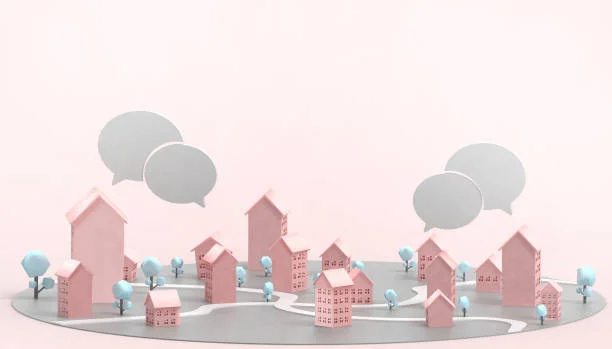
What makes one neighbourhood feel vibrant and another disconnected? The answer is in the design. Masterplanning is a strategic process that helps guide urban development. It determines how urban areas look and feel, and in many ways, how people live, move, and connect. In this article, we’re going to look at how masterplanners can help build better towns, stronger communities, and neighbourhoods that feel like home.
The Key Elements That Make Communities Feel Like Home
Mixed land use
Communities need a thoughtful blend of housing, shops, schools, parks, and workplaces. When people have everything they need within a comfortable walking distance, it makes it easier for them to go about their everyday routines. This convenience keeps more people in the local area, creating regular points of social contact, and building stronger connections between members of the community. As people walk to errands, meet neighbours in passing, or spend time in shared public spaces, community interactions become part of daily life.
Great public spaces
Communities also need somewhere to come together. When people have easy access to great public spaces, like town squares and green spaces, it creates more opportunities for people to connect. When town squares are designed for retail use they give people where to eat, shop, socialise, and attend public events – providing local everyday spots for social interaction. And when neighbourhood parks are designed for real use they give people somewhere to play, exercise, and meet —providing free everyday anchors for community life. Together, these public spaces lay the foundation for community activities and social integration.
Great social infrastructure
Community centres, libraries, schools, and sports fields provide the essential venues where neighbours come together. These places support learning, recreation, celebration, and the everyday interactions that build trust and familiarity. When communities have welcoming spaces for gathering, connecting, and sharing experiences, people feel more happy and supported. This type of infrastructure strengthens the local social fabric, creating opportunities for friendships to form and for community life to flourish. Without it, it’s hard to create a shared sense of belonging, and build neighbourhoods that truly feel like home.
The Psychology of Place
Human-scaled design
Human-scaled design creates places that feel comfortable, welcoming, and intuitively made for people. Walkable street widths feel safe for pedestrians, while proportionate building heights feel protective for residents. Cosy cafes help encourage casual social interaction, while inviting retail spaces help keep streets lively throughout the day. Together, these elements help create a space where movement feels natural, social connections come easily, and everyday life unfolds at a nice pace. As such, human-scaled design helps people feel safe, grounded, and genuinely connected.
Structure and aesthetics
What makes a place feel like home? Feeling truly happy to live there. That’s why clear structure and design aesthetics are often so important. They help create places where people naturally want to stay there. Structural elements like recognisable town centres, intuitive layouts, and walkable routes help residents feel more at ease in their environment. Whereas design elements, like inviting public spaces, cohesive architecture, and beautiful neighbourhood parks, often attract residents. When a neighbourhood is both beautiful and easy to navigate, it becomes inspiring to look at and comfortable, encouraging people to put down roots, build routines, and imagine a future there.
Safety and comfort
Everyone wants to feel safe in their own neighbourhood. Clear pathways and inviting seating encourage people to walk, linger, and connect during the day. While safe public spaces and well-lit neighbourhoods help residents feel safer at night. When residents feel confident in their environment, they are more likely to enjoy their neighbourhood and engage with their local community. Safety and comfort, together, build the trust that communities need.
How Masterplanning Creates Communities That Actually Feel Like Home
Involving the community and building connections
Masterplanners often invite community stakeholders to share their views on upcoming development projects. By engaging with residents, local businesses, cultural groups, and civic organisations, masterplanning architects are able to gain insight into the daily realities that shape a place. They are also able to make more informed decisions, ones that will benefit the local community for years to come. This approach builds feelings of trust, transparency, and shared ownership. It also ensures that community stakeholders feel heard, and therefore more connected to the final development outcome.
Creating a shared identity and sense of place
Masterplanning helps communities feel more like home by shaping a shared identity and a strong sense of place. Through purposeful design choices – such as reinforcing local history, highlighting cultural assets, and celebrating natural features – masterplans create environments that feel vibrant and distinctive. Beautiful public spaces, unique landmarks, and cohesive architecture all help create a visual narrative that residents can embrace. When people feel connected to their surroundings, they often feel a natural sense of pride and belonging. In fact, when an area has a strong shared identity it can help bring people together and strengthen community spirit.
Prioritising quality of life
Masterplanning supports communities by making strategic development choices that prioritise quality of life. By carefully considering how people move, gather, work, and relax, masterplans help create environments that support communities wellbeing. It means planning for essential elements like clean air, reduced noise, sustainable infrastructure, and affordable housing. It also means planning for practical elements like local amenities, entertainment services, cultural activities, and healthcare facilities. When quality of life drives design decisions, masterplanning can help build happier, healthier, and more resilient communities.
Creating Communities
Masterplanning brings together the functional, social, and cultural design elements that shape how people experience everyday life – from walkability and public spaces to safety, identity, and shared belonging. By listening closely to community voices and prioritising quality of life, planners can design neighbourhoods that are not only practical, but meaningful. In fact, great masterplanning does more than guide development. When done well, masterplanning turns standardised developments into vibrant neighborhoods. It creates places where people feel happy, safe, and proud to live. And it creates communities where people feel a strong and lasting sense of connection.
Keep your curiosity alive with more stories and insights at 2A Magazine.