Urban landscapes are undergoing a profound transformation as populations expand and available land becomes increasingly scarce. For decades, massive single-use entertainment venues dominated the fringes of major cities. These sprawling footprints were designed for peak weekend capacity, drawing tens of thousands of visitors for a few hours before sitting dormant during the working week. Today, architectural philosophy is shifting dramatically. City planners, architects, and forward-thinking developers are looking at these legacy spaces through a completely new lens. They are reimagining them as vibrant, multi-use community landscapes that actively shape modern urban lifestyles and foster daily social connection.
The Shift Toward Human-Centric Urbanism
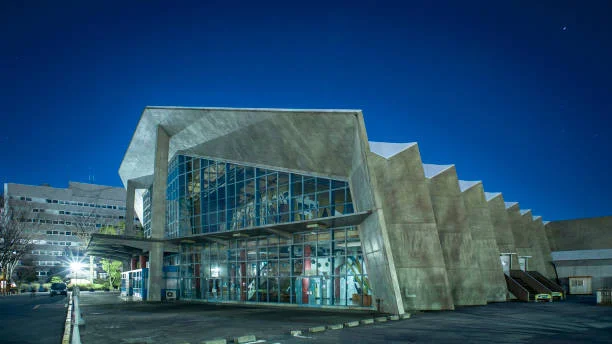
The contemporary approach to city building prioritises community interaction, accessible amenities, and sustainable living over isolated, single-purpose zoning. Much like the shift toward human-centric, adaptive reuse projects seen in the architectural evolution of rapidly growing cities, massive legacy entertainment footprints are now being re-evaluated. Instead of tearing down historical structures to build generic high-rises, modern urban planners focus on creating environments that blend heritage with daily utility.
This design philosophy champions the idea that large-scale spatial design must foster human progress. By seamlessly integrating residential blocks, commercial districts, and recreational spaces, these transformed venues bridge the gap between architectural history and the evolving demands of modern residents. Adaptive reuse in this context is not just about saving old bricks. It is about preserving the social memory of a space while giving it a renewed purpose that aligns with contemporary environmental standards.
Balancing Adrenaline with Accessible Lifestyle Design
This architectural evolution is highly visible in Australia, where iconic sporting grounds are deeply embedded in the cultural identity of the suburbs. A prominent example of this complex transition is the historic Sandown racecourse, a venue renowned for its high-adrenaline lifestyle experiences and deep motorsport pedigree. The site is currently at the centre of a massive multi-billion dollar urban rezoning debate. It serves as a perfect architectural case study for how modern cities attempt to balance a rich entertainment heritage with pressing housing and lifestyle needs.
Rather than erasing the cultural footprint of such iconic locations, the goal of modern landscape urbanism is to absorb them into a cohesive neighbourhood plan. The transition from a purely event-based destination to a living, breathing community hub requires highly innovative spatial design. It demands a delicate balance from urban designers, who must figure out how to preserve the historical legacy of the venue while opening up its vast, previously restricted acreage to daily public use. This process often involves intense collaboration between heritage consultants, landscape architects, transport planners, and local residents to ensure that the final design truly benefits the surrounding area.
Decentralising the City and Expanding Access
The driving force behind these massive rezoning efforts is a fundamental desire to localise urban living and reduce reliance on long commutes. According to a 2024 policy brief from the San Francisco Bay Area Planning and Urban Research Association, the implementation of the 20-minute neighbourhood framework serves as an expansive and equitable urban planning model designed to ensure a high quality of living, combat income divides, and decentralise essential services in dense urban regions.
Transforming legacy entertainment sites fits perfectly into this progressive framework. When planners redevelop massive tracts of land, they have a unique opportunity to design a self-sustaining ecosystem from the ground up. Integrating these historic sites into the daily fabric of the city relies on several core architectural pillars:
- Accessible Green Spaces: Converting expansive concrete car parks and unused buffer zones into public parks and recreation areas that actively support local biodiversity.
- Mixed-Use Zoning: Blending medium-density residential housing with retail spaces, local cafes, and essential community services to create a vibrant street-level culture.
- Heritage Integration: Adapting existing grandstands, structural pavilions, or original track elements into public plazas, preserving the unique historical narrative of the site.
- Active Transport Infrastructure: Designing pedestrian-first pathways and dedicated cycling lanes that seamlessly connect the new development to existing public transport networks.
The integration of legacy entertainment venues into the broader urban environment represents a critical step forward in modern landscape architecture. These ambitious projects prove that cities do not have to choose between preserving their cultural history and adapting to modern population demands. By treating historic sporting and entertainment sites as foundational building blocks for new, highly connected communities, developers can entirely redefine the urban lifestyle.
As our metropolitan areas continue to expand rapidly, this human-centric approach to spatial design will ensure that large-scale infrastructure finally serves the community every single day of the week, rather than just on event days. Furthermore, it sets a powerful precedent for other global cities grappling with similar challenges of urban sprawl, spatial inequality, and heritage conservation.
Don’t miss these valuable ideas closely linked to what you’re reading here at 2A Magazine.