High-traffic spaces live in a constant tug-of-war between keeping people moving smoothly and keeping every corner genuinely clean. Airports, hospitals, malls, universities, gyms, amusement parks, and office complexes greet thousands of people each day, which means these spaces collect as many germs as they do footsteps. The challenge never comes from cleaning itself. The real puzzle lies in maintaining high hygiene standards while staying fully operational. Every minute of downtime can interrupt revenue, stall productivity, or inconvenience visitors who expect everything to work flawlessly.
The good news is that modern cleaning science, smart planning, and thoughtful design have made it entirely possible to keep these environments spotless without slowing anything down. The approach is not one-dimensional. It is a coordinated system that blends prevention, rapid intervention, smart scheduling, staff training, and technology. When each element works in harmony, hygiene becomes a seamless part of operations rather than a hurdle to them.
Why Does Hygiene in High-Traffic Facilities Matters More Than Ever?
Footfall is no longer the only concern. People bring in personal devices, food containers, shopping bags, gym gear, and even pets in some cases. Every object carries microorganisms. Studies from the CDC and ISSA reveal how quickly viruses and bacteria transfer between surfaces in crowded settings. A contaminated doorknob can spread microorganisms to over half the room within four hours. This single statistic explains why visible cleanliness and invisible hygiene must work together at all times.
Customer perception also plays a powerful role. People feel safer when a space looks well maintained. A clean environment inspires confidence, which directly affects the business. It encourages longer visits, higher willingness to spend, better reviews, and steady footfall. Facilities that invest in trusted products for maintaining clean environments create a sense of reliability that visitors instinctively appreciate because these choices show commitment to consistent hygiene rather than occasional cleanup.
1. Cleaning Happens in Layers Instead of Occasional Deep Scrubs
In earlier years, managers often believed that a few intense cleaning cycles would be enough. That approach never works for high-footfall environments. The smart method is to distribute cleaning responsibilities across several layers that operate simultaneously.
The Baseline Layer
This is the routine cleaning schedule that keeps the entire facility presentable. Floors are swept, bins are emptied, surfaces are wiped, and restrooms are maintained. These activities create a foundation for hygiene. They ensure that the facility never dips below a minimum acceptable standard.
The On-Demand Layer
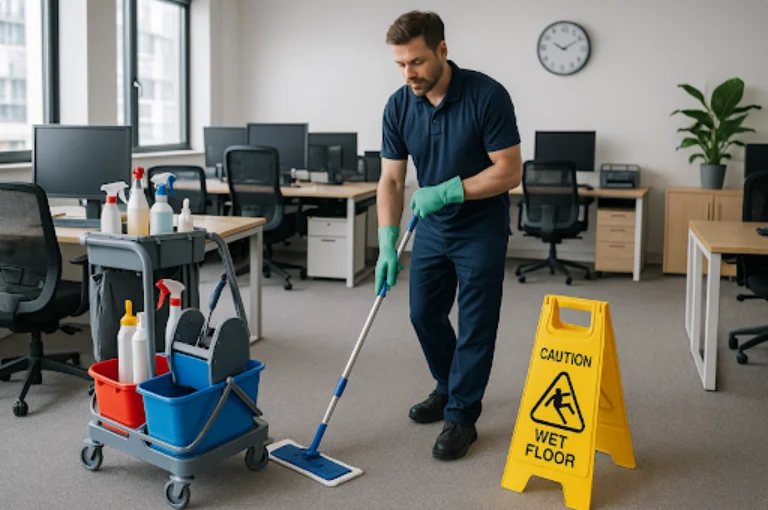
Incidents do not follow a timetable. A spill, stain, or overflowing bin can appear at any moment. Staff teams in high-traffic environments remain on standby to respond instantly. This quick-response approach prevents small hygiene issues from becoming large operational problems.
The Preventive Layer
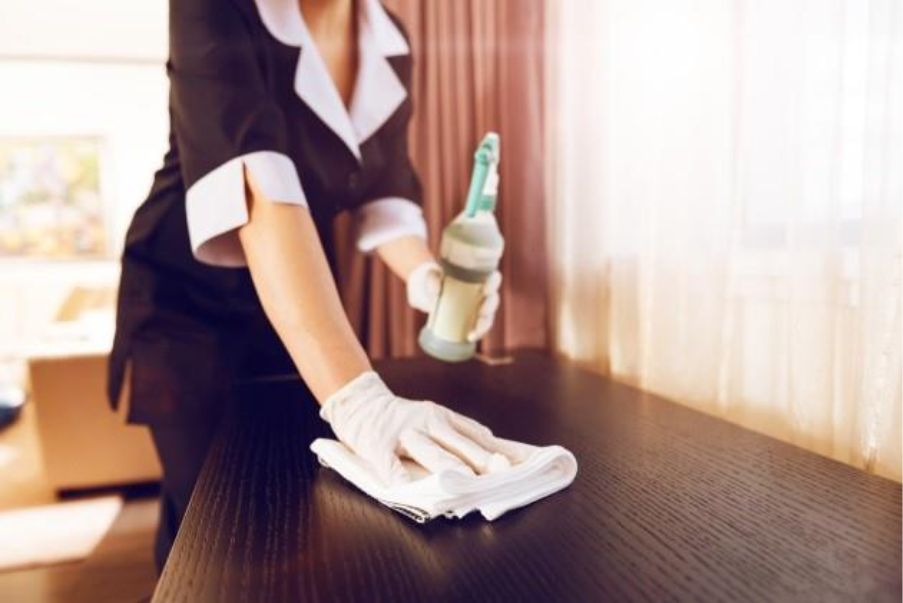
Preventive cleaning involves regular sanitization of high-touch surfaces such as railings, touchscreen kiosks, lift buttons, fitness equipment, cafeteria tables, and restroom fixtures. These areas accumulate microorganisms faster than any other zone. Regular touchups keep infection risk low and improve public trust.
Together, these layers make the environment feel continuously cared for without causing interruptions to visitors or staff.
2. Cleaning Schedules Align with Human Movement Patterns
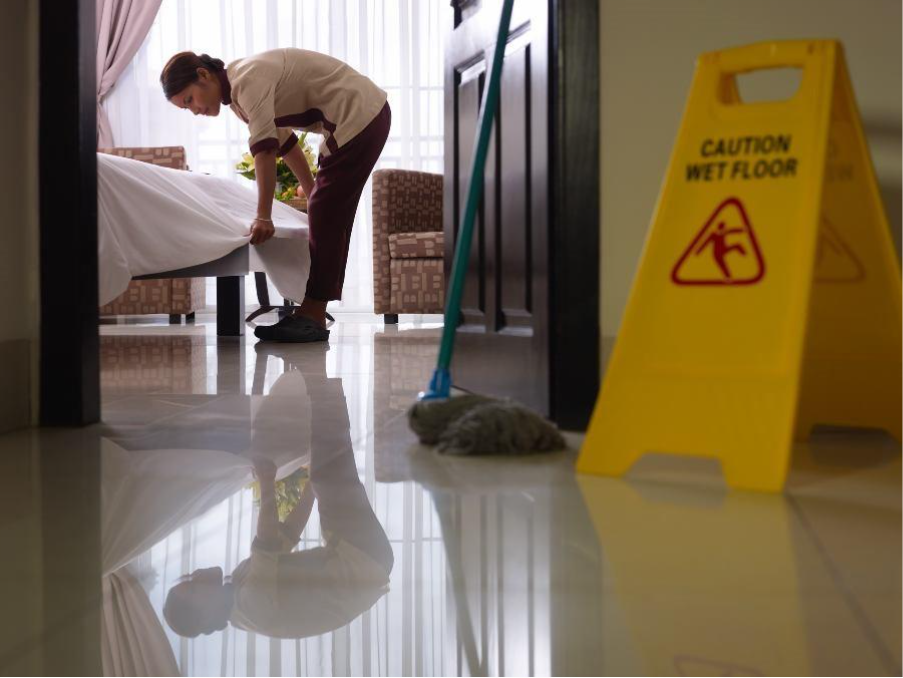
Operations can run smoothly only when cleaning cycles do not collide with peak footfall. This is why facility managers rely heavily on movement data. Retail centers examine shopper flow patterns across different times of the day. Airports analyze passenger movement before security, after security, near boarding zones, and corridors. Universities study student behavior during class transitions.
Once these rhythms are understood, managers build cleaning cycles around them. Restrooms might receive deeper sanitization during natural lulls. Corridors may be maintained shortly after classes begin rather than when students are rushing between rooms. Cafeterias may receive cleaning sessions at micro-intervals between breakfast and lunch.
This thoughtful timing keeps hygiene high and disruptions low.
3. Smart Tools and Technology Reduce Cleaning Time Without Cutting Quality
Technology has changed the way large facilities maintain cleanliness. Many tools now complete tasks faster than traditional methods and free staff from repetitive work that slows them down.
Robotic Floor Cleaners
These devices work quietly, follow pre-programmed routes, and operate outside peak hours. Their consistency and efficiency help maintain spotless floors with minimal manual intervention.
Electrostatic Sprayers
These sprayers apply disinfectants in a fine, even mist that wraps around surfaces. This method covers more area in less time and ensures better sanitization of complex shapes like gym equipment or public seating.
Sensor-Based Hygiene Management
Restroom counters, doorways, and waste bins can be equipped with sensors that track visitor numbers or fill levels. This allows cleaning teams to respond based on actual usage rather than fixed assumptions. It prevents unnecessary downtime and ensures that staff never fall behind in essential areas.
High-Efficiency Cleaning Products
Modern cleaning formulations work faster, require less scrubbing, and provide longer-lasting protection. They help staff maintain hygiene standards without extended closures.
4. Facility Design Plays a Huge Role in Hygiene Efficiency
Many people think cleanliness depends entirely on housekeeping teams. In reality, the way a facility is built influences how easy it is to maintain. Smart architecture supports hygiene from the very beginning.
Smooth and Non-Porous Surfaces
Materials like stainless steel, quartz, sealed vinyl, and antimicrobial laminates make cleaning quick and efficient. They resist staining and contamination, which reduces the time staff need to maintain them.
Strategic Placement of Waste Bins
When bins are placed in high-footfall areas, visitors naturally dispose of waste correctly. This lowers the burden on cleaning teams.
Well-Planned Restrooms and Cafeterias
High-usage spaces benefit from touchless faucets, sensor-based dispensers, self-flushing toilets, and easy-to-clean cubicles. These features cut down the need for constant manual intervention.
Design is the hidden partner in a facility’s hygiene strategy. When done well, it keeps operations flowing effortlessly.
5. Staff Training Makes Hygiene More Predictable and Less Disruptive
A facility can invest in the best tools and schedules, but human expertise keeps everything running smoothly. Well-trained cleaning staff understand which areas require frequent attention, how to manage crowd movement tactfully, and how to complete tasks quickly without compromising safety. This transforms cleaning from a reactive activity to an organized and predictable part of operations.
6. Communication Keeps Visitors Cooperative and Aware

People behave better when they understand the intention behind a process. High-traffic facilities increasingly use friendly signage, digital screens, and verbal reminders to create a culture of shared responsibility. Simple messages about cleanliness encourage visitors to keep spaces tidy, use bins, and respect cleaning staff.
Communication also helps set realistic expectations. When visitors see signs that inform them about brief restroom maintenance or a quick sanitation round, they feel informed rather than inconvenienced.
Conclusion
High-traffic facilities thrive when hygiene becomes an integrated part of their operations rather than a separate activity. The most successful spaces think like choreographers. They align movement, timing, staff expertise, technology, and design into one rhythm. Every visitor feels comfortable, every team works efficiently, and every corner stays clean. The goal is never perfection but rather consistency that supports safety, satisfaction, and smooth function throughout the day. When hygiene management blends effortlessly into daily operations, the environment becomes more inviting and more resilient, which benefits everyone who walks through its doors.
Featured for impact: a story that sharpens your thinking and expands your view.