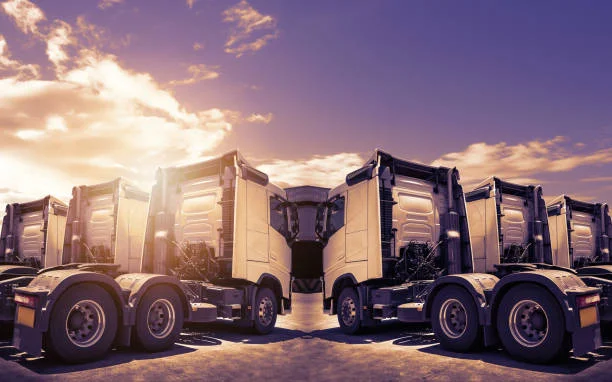
Australia relies heavily on its vast road transport network to keep supply chains moving and businesses thriving. With massive distances stretching between major coastal cities and remote regional centres, the logistics sector is constantly looking for innovative ways to move goods more efficiently. High-capacity vehicles have emerged as the driving force behind this transformation. By maximising payload and minimising the total number of trips required, these advanced transport setups are reshaping how commercial freight moves across the country. As consumer demands rise, relying on outdated transport methods is no longer a viable option. Instead, the focus has shifted toward high-capacity solutions that ensure consistent delivery times.
Expanding Payload Potential
The logistics industry has evolved significantly over the past decade to address complex supply chain challenges. Fleet operators are shifting away from conventional single-trailer configurations in favour of larger, more capable combinations. For example, deploying b double trailers allows transport companies to essentially double their cargo capacity on a single journey. This approach not only streamlines daily operations but also eases the pressure on busy national highways and regional freight routes.
When fleets upgrade to these high-capacity setups, the immediate benefit is a dramatic reduction in operating costs per tonne of freight. Fewer trucks on the road mean less wear and tear on critical public infrastructure. Additionally, moving more freight with fewer prime movers helps combat the ongoing driver shortages that have impacted the industry in recent years. Furthermore, optimising fleet size lowers insurance premiums and administrative overheads for logistics firms. This evolution in automotive design ensures that the heavy transport sector can meet growing economic demands without simply adding more standard vehicles to already congested transit corridors.
Measuring the Safety and Environmental Impact
A common misconception is that larger trucks pose greater risks to other motorists. However, modern high-capacity vehicles actually operate under strict regulatory frameworks designed specifically to enhance road safety and lower environmental impacts. In Australia, the Performance-Based Standards scheme governs the design and daily operation of these advanced vehicle combinations.
The data supporting these innovations is compelling. According to Transport for NSW, Performance Based Standards vehicles are significantly safer and greener, saving 200 million litres of fuel and preventing 486,000 tonnes of CO2 emissions every year. Furthermore, these vehicles are involved in 46 percent fewer major crashes per kilometre travelled compared to conventional heavy vehicles. By incorporating better braking systems, improved rollover stability control, and smarter weight distribution, high-capacity transport makes roads safer while drastically reducing the carbon footprint of the commercial freight industry.
Essential Maintenance for Heavy-Duty Fleets
Upgrading to a high-capacity fleet is only the first step toward logistical efficiency. To maintain these impressive safety and environmental standards, transport companies must implement rigorous maintenance schedules. The sheer complexity of larger setups requires a highly proactive approach to vehicle care. Much like the straightforward maintenance of heavy-duty commercial vehicles such as the 2009 Chevrolet C6500 box truck, keeping a massive high-capacity fleet operational demands consistent routine inspections. This diligence helps prevent costly breakdowns and reduces unexpected downtime. This preventative approach ensures compliance with national safety regulations and extends the operational lifespan of the vehicles.
Fleet managers must focus on several critical areas to keep their heavy vehicles running optimally:
- Tyre Management: Regularly checking tyre pressure and tread depth is crucial for larger trailers, as unexpected blowouts can cause severe delays and major safety hazards.
- Braking Systems: Frequent testing of advanced braking components ensures that much heavier loads can stop safely within legally required distances.
- Suspension and Axle Checks: Routine monitoring of load-bearing parts prevents uneven mechanical wear and maintains optimal weight distribution across all axles.
- Software Diagnostics: Modern transport setups rely heavily on complex onboard computers to monitor engine health, track fuel consumption, and alert drivers to potential mechanical faults.
Staying ahead of mechanical issues ensures this substantial investment continues to deliver reliable value.
Driving the Future of Logistics
The widespread integration of high-capacity vehicles is a vital step forward for Australian road transport. By embracing innovative trailer configurations and adhering to strict government performance standards, the logistics sector is achieving unprecedented levels of operational efficiency. As road freight demands continue to climb across the nation, these larger, smarter, and greener vehicles will remain at the very forefront of the automotive industry. Through careful fleet management and ongoing maintenance, transport companies are perfectly equipped to navigate the future of commercial freight.
Our top-performing strategy, revealed in full detail at 2A Magazine.