
The digital media visual world is changing at a pace never seen before, and it is the collaboration of AI design and AI generated video technology that is driving this shift. Tasks that once required large creative teams, expensive software, and long production cycles can now be completed by individuals with the support of intelligent systems. This change is not only transforming how videos are produced but also redefining their overall appearance, style, and creative direction.
Artificial intelligence driven visuals are no longer experimental tools limited to technology companies. They are now shaping promotional videos, educational materials, social media content, and even cinematic productions. Understanding how this transformation is taking place allows creators and learners to stay relevant in a constantly evolving digital environment.
Designing AI as the Core of Modern Visual Creation
AI design can be defined as the use of artificial intelligence to support or automate visual decision making. This includes layout selection, color balance, typography, motion effects, and scene composition. Instead of starting from a blank canvas, creators now work with intelligent suggestions that adapt to their creative goals.
From my experience using early design automation tools, the most noticeable improvement today is flexibility. Modern AI systems are trained on millions of visual patterns and adjust outputs in real time. As a result, design elements feel human rather than mechanical, even when they are created within seconds.
AI design does not remove creativity from the process. It enhances it by eliminating technical barriers and allowing creators to focus more on ideas instead of execution.
The Evolution of AI Generated Video Content
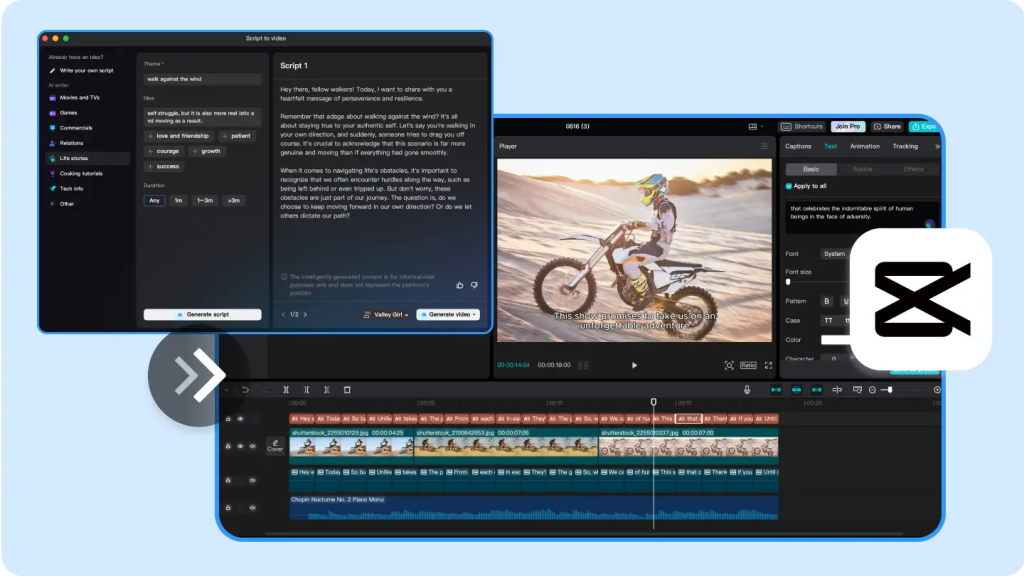
AI generated video has progressed far beyond basic slideshow automation. Today, AI can generate scenes, animate characters, synchronize voiceovers, and apply cinematic transitions without manual editing. These systems analyze scripts, prompts, and visual intent to produce coherent and engaging video narratives.
Earlier forms of video automation often felt repetitive and template driven. Modern AI generated video content appears more natural because AI design principles ensure visual consistency. Lighting styles, rhythm, and visual flow are now aligned with human creative standards.
This evolution is especially visible in short form content, where speed and visual impact are critical. AI generated videos can now adapt to platform trends almost instantly.
The Impact of AI Design on Visual Consistency and Branding
One of the most visible changes AI design brings to AI generated video is consistency. Maintaining a unified visual identity across multiple videos was once a challenge. Today, AI design systems remember brand colors, fonts, logo placement, and animation styles.
This advantage is particularly valuable for businesses and educators who publish content regularly. Instead of manually reapplying design rules, AI ensures that every video follows the same visual language.
Consistency builds trust. When viewers recognize familiar design elements, AI generated video content feels more professional and reliable.
Speed and Creative Freedom for Content Creators
AI design significantly reduces production time. Tasks that once took hours, such as scene layout, animation timing, and visual refinement, now happen automatically. This speed gives creators more room to experiment and refine ideas.
In my own workflow, faster visual setup allows more time for storytelling and audience connection. Rather than focusing on technical polish, creators can test multiple concepts and improve the most effective ones.
AI generated video becomes a creative space rather than a technical burden, especially for beginners or solo creators.
Storytelling Enhanced Through Intelligent Visual Alignment
The intelligent connection between narrative and design is what separates modern AI generated video from older automated content. Visual elements now support storytelling rather than simply filling space. Calm scenes use softer motion and balanced colors, while energetic moments feature dynamic pacing and bold visuals.
As AI models continue to learn from film and animation techniques, storytelling quality in AI generated video will continue to improve.
Learning Opportunities and Accessibility for Students
For students and learners, AI design tools remove the steep learning curve traditionally associated with video production. Instead of mastering complex software, learners can focus on communication, visual hierarchy, and narrative flow.
AI generated video tools act as interactive learning environments where students can see design principles applied in real time. This immediate feedback accelerates understanding and builds confidence.
Educational institutions are increasingly adopting these tools to teach media literacy and digital creativity.
Ethical Design and Creative Responsibility
Despite the powerful capabilities of AI design, responsible use remains essential. Over automation can lead to generic visuals if creativity is not actively applied. Successful AI generated video still depends on human judgment and ethical awareness.
Design choices influence perception. Creators must ensure visuals are accurate, inclusive, and meaningful. AI provides the tools, but humans remain responsible for the message being communicated.
Balancing automation with intention is essential for producing meaningful visual content.
The Future Visual Landscape of AI Generated Video
The future of AI design and ai generated video lies in collaboration rather than replacement. As systems become more intuitive, they will adapt to individual creative styles instead of forcing predefined templates.
We are entering an era where visual creation becomes conversational. Creators describe ideas, and AI translates them into refined visuals almost instantly. This collaboration will reshape creative industries and make high quality video accessible to a wider audience.
Conclusion
The rise of ai design and ai generated video is transforming how visual content is imagined, created, and shared. From faster workflows and stronger branding to improved storytelling and expanded educational access, these technologies are setting new creative standards. When used thoughtfully, AI design enhances human creativity rather than limiting it, leading to a more inclusive and visually diverse digital future.
FAQs
What is the difference between AI design and traditional video design?
AI design relies on intelligent systems to automate and optimize visual decisions, while traditional video design depends entirely on manual creative input and technical expertise.
Is AI generated video suitable for professional work?
AI generated video is widely used in marketing, training, and presentations because of its efficiency, consistency, and professional visual output.
Can beginners effectively use AI design tools?
AI design tools are especially helpful for beginners because they simplify complex processes and provide instant visual feedback.
Does AI design limit creativity?
AI design enhances creativity when used wisely by removing repetitive tasks and allowing creators to focus on ideas and storytelling.