Introduction
The healthcare landscape is changing quickly, and registered nurses are increasingly exploring roles beyond traditional hospital settings. One of the fastest-growing areas is aesthetic medicine, where RN injector are expanding their skills into non-surgical cosmetic procedures such as neuromodulator and dermal filler treatments.
This shift is largely driven by patient demand for minimally invasive procedures and the need for highly trained clinical professionals in aesthetic practice. As a result, structured rn injector training is becoming a key pathway for nurses seeking career growth, flexibility, and advanced procedural skills.
How long does it take to become an RN injector?
The timeline to become a qualified injector varies depending on prior clinical experience, training structure, and state regulations. Most registered nurses can expect a combination of foundational education and hands-on practice before working independently in aesthetic settings.
Typical training timeline
In general, structured pathways may include:
- Introductory training (1–3 days): Covers facial anatomy, safety principles, and injection theory
- Hands-on clinical training (1–3 months): Supervised practice with live models
- Mentorship phase (3–12 months): Gradual transition into independent practice
Aesthetic training institutions and industry educators note that many nurses begin performing supervised treatments within a few weeks of completing initial injector training programs, while competency continues to develop over the long term through mentorship and hands-on case experience.
Key insight
Aesthetic medicine prioritizes skill repetition and supervision over speed. Even after certification, ongoing clinical exposure is essential for building confidence and precision.
How do I become a certified nurse injector?
Becoming a certified nurse injector involves structured education, clinical supervision, and compliance with healthcare regulations. While requirements vary by region, most pathways follow a consistent framework designed to ensure patient safety and procedural competence.
Step-by-step pathway
- Become a licensed registered nurse (RN)
A valid nursing license is the foundation for entering aesthetic practice. - Complete aesthetic nurse injector training
Programs focus on facial anatomy, injection techniques, complication management, and patient assessment. - Gain hands-on clinical experience
Supervised practice is critical. Many programs require training on live models under medical supervision. - Obtain certification or completion credential
While certification standards vary, completion of an approved injector training program demonstrates competency in core skills. - Continue advanced education
Ongoing workshops in neuromodulators, dermal fillers, and complication management support long-term growth.
Industry perspective
Nursing career education sources highlight that structured training is essential in aesthetic practice, as these procedures require both technical precision and strong clinical judgment. Many programs place equal emphasis on patient safety protocols and injection technique to support safe, effective outcomes.
Can an RN be a Botox injector?
Yes, registered nurses can become Botox injectors, but they must do so under appropriate supervision and within regulatory guidelines. Botox (a neuromodulator used to relax facial muscles) is one of the most common entry points into aesthetic practice.
What the role involves
An RN working as a Botox injector typically performs:
- Patient consultations and facial assessments
- Treatment planning under medical oversight
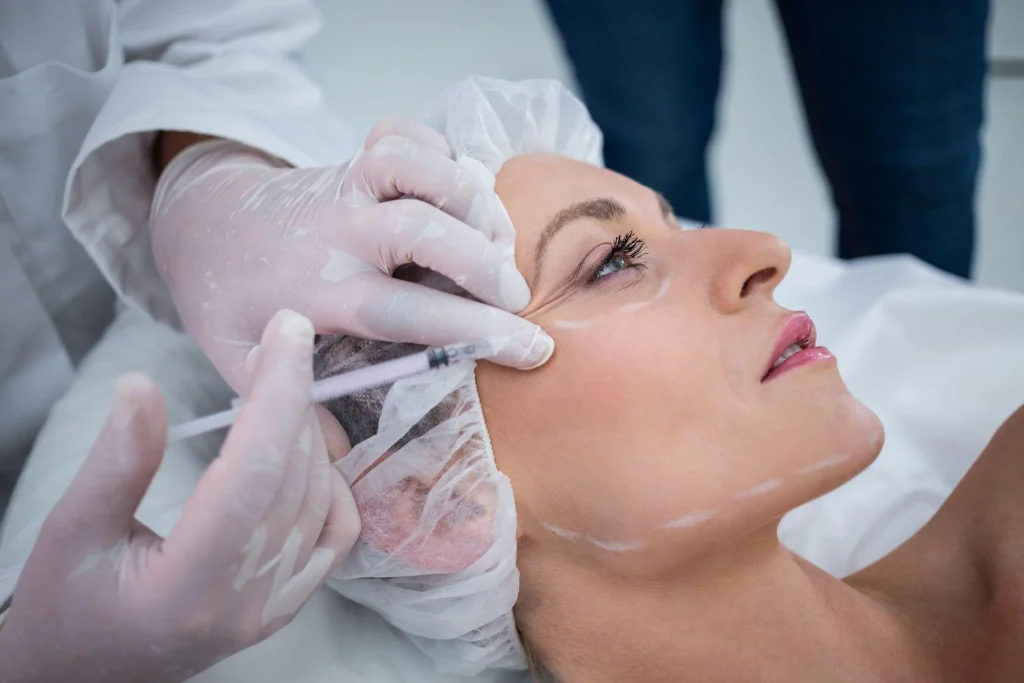
- Neuromodulator injections for cosmetic purposes
- Monitoring for side effects and complications
Clinical oversight matters
In most regulated settings, RNs do not practice independently at the beginning. A supervising medical director or qualified provider is often required to authorize treatments and ensure compliance with medical standards.
Real-world example
Many aesthetic clinics introduce new nurses through Botox-only training first before progressing to dermal fillers. This staged approach allows nurses to build confidence in smaller muscle groups and dosage control before advancing to more complex procedures.
What qualifications do I need to become a Botox injector?
Qualifications vary depending on jurisdiction, but there are core educational and clinical requirements that are widely accepted in aesthetic medicine.
Essential qualifications
- Active RN license in good standing
- Completion of an accredited injector training program
- Understanding of facial anatomy and vascular structures
- Training in infection control and complication management
- Supervised clinical practice experience
Recommended additional training
- Advanced dermal filler techniques
- Patient consultation and aesthetic assessment training
- Emergency response training for adverse events
- Continuing education in aesthetic medicine trends
Why qualifications matter
Aesthetic procedures involve injecting substances into the face, which carries both cosmetic and medical risk. Proper training ensures nurses can identify contraindications, manage complications, and deliver consistent results.
Guides on transitioning from nursing to aesthetics highlight that structured education can significantly reduce procedural errors while also improving patient outcomes in non-surgical cosmetic settings.
The rise of aesthetic injector training programs
Demand for non-surgical cosmetic treatments has grown significantly over the past decade. This includes Botox, dermal fillers, and skin rejuvenation procedures, all of which require trained healthcare professionals to perform safely.
What is driving demand?
- Increasing popularity of minimally invasive procedures
- Greater public awareness of aesthetic treatments
- Expanding access to outpatient cosmetic clinics
- Preference for medically trained injectors over non-clinical providers
Skills developed in injector training programs
Structured injector training programs typically focus on:
- Facial anatomy and vascular mapping
- Injection techniques and dosage precision
- Patient assessment and consultation skills
- Complication prevention and management
- Ethical and regulatory compliance
Comparison of traditional nursing vs. aesthetic nursing
| Category | Traditional Nursing | Aesthetic Nursing |
| Work setting | Hospitals/clinics | Private aesthetic clinics |
| Focus | Acute care | Elective cosmetic procedures |
| Procedures | Medical treatment | Injectables and skin treatments |
| Patient interaction | Short-term care | Long-term aesthetic planning |
| Skill emphasis | Critical care | Precision and artistry |
Core skills needed in aesthetic nursing practice
Success in aesthetic medicine requires more than technical injection ability. Nurses must also develop strong interpersonal and clinical judgment skills.
Key competencies
- Strong understanding of facial anatomy
- Attention to detail and symmetry awareness
- Patient communication and expectation management
- Risk assessment and complication awareness
- Steady hand control and precision
Industry educators often emphasize that aesthetic nursing combines clinical science with visual assessment skills, making it both a technical and patient-centered specialty.
How structured training supports career transition
Structured rn injector training programs are designed to bridge the gap between traditional nursing and aesthetic medicine. They provide a controlled learning environment where nurses can build competence step by step.
Benefits of structured training
- Reduces clinical risk through supervised practice
- Builds confidence in real patient scenarios
- Provides standardized education in anatomy and safety
- Supports smoother transition into private practice settings
Aesthetic education providers report that nurses who complete structured injector programs are more likely to progress to independent aesthetic roles than those who rely solely on informal or unstructured training.
Conclusion
Aesthetic medicine is reshaping how registered nurses think about their careers. Through structured rn injector training, nurses are gaining access to a growing field that blends clinical expertise with elective patient care and long-term treatment planning.
As demand for non-surgical cosmetic procedures continues to rise, the role of the nurse injector is becoming a recognized and respected career path. The question now is not whether this field will grow, but how prepared healthcare professionals will be to meet its evolving standards.