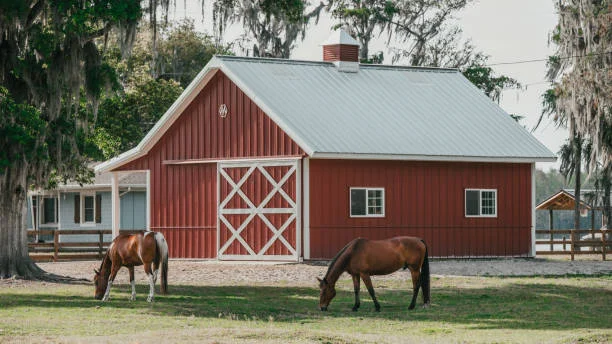
In a time shaped by speed, convenience, and constant digital input, many people are choosing to slow down. Intentional living close to the land is not about nostalgia or trend-driven aesthetics. It is about structure, responsibility, and presence. Horse barns sit quietly at the center of this choice.
A barn is not decorative. It demands attention every day. Horses require care regardless of weather, schedule, or mood. This obligation creates rhythm. It grounds life in reality rather than abstraction. For many, that is precisely the appeal.
Living with a horse barn nearby forces engagement with time, labor, and the natural world. It makes intentional living practical instead of theoretical.
What “Intentional Living” Really Means
Intentional living is often reduced to minimalist interiors or slower mornings. In reality, it is far less comfortable and far more meaningful.
It means choosing responsibility over convenience. It means structuring days around real needs rather than notifications. When life is built around land and animals, decisions carry weight. Skipping a task has consequences. Delaying care is not an option.
Intentional living also requires clarity. There is less room for excess when time and energy are finite. Priorities sharpen. What matters becomes obvious.
This way of living is not passive. It is a daily commitment to attention and effort.
Horse Barns as the Center of a Land-Based Lifestyle
A horse barn anchors daily life. Mornings and evenings revolve around feeding, cleaning, checking health, and observing behavior. These routines shape time in ways no calendar app can.
Seasonal changes become unavoidable. Weather influences chores. Daylight dictates pace. The land sets limits, and those limits create balance.
Horse barns also foster a sense of stewardship. Land is no longer background scenery. It is an active system that requires care and respect. Over time, this awareness extends beyond the barn to water use, soil health, and long-term planning.
Community often grows from this lifestyle as well. Shared knowledge, borrowed tools, and mutual help are common when people live close to the land. Independence exists, but it is grounded in cooperation rather than isolation.
Designing and Constructing a Horse Barn with Intention
A thoughtfully built horse barn reflects the values of intentional living. Construction decisions shape not only function, but daily experience for both horses and humans.
Building for Longevity, Not Speed
Intentional construction avoids shortcuts. Structural integrity, proper foundations, and thoughtful spacing prevent costly mistakes later, principles long understood by horse stable builders, where safety, durability, and daily function are non-negotiable.
A well-built barn also allows for future change. Expansion, new uses, or evolving care practices should be possible without disruption. Building once and building well is a core principle of land-based living.
Site Selection and Orientation
Choosing the correct location matters more than aesthetics. Proper drainage prevents long-term problems. Wind direction influences ventilation and comfort. Sun exposure affects temperature and moisture levels.
A barn should be close enough to the home to allow frequent access, yet positioned to preserve pasture health and land flow. Poor placement creates ongoing work. Good placement reduces strain for decades.
Materials That Respect the Land
Material choice balances durability, maintenance, and environmental impact. Wood offers warmth and flexibility but requires care. Steel provides strength and longevity, though it can feel industrial if not designed thoughtfully.
Hybrid approaches often work best. They combine resilience with a sense of place. The goal is not speed or cost alone. It is building something that ages well and functions reliably.
Cheap materials rarely align with intentional living. They demand replacement instead of repair.
Functional Layout for Horse and Human Wellbeing
A barn’s layout should support calm, safe movement. Stall size, airflow, and natural light affect animal health. Poor ventilation leads to long-term respiratory issues. Insufficient light impacts both mood and safety.
Human workflow matters too. Feed storage, tack areas, and cleaning zones should reduce unnecessary steps. Efficiency does not mean rushing. It means working smoothly without waste.
Design choices made early shape every day that follows.
Daily Life Around the Barn
Life near a horse barn is physical. It involves lifting, walking, cleaning, and repairing. This work is repetitive, but it is not empty.
Routine creates mental clarity. Tasks provide structure when motivation fades. Progress is visible and tangible.
Time moves differently when days are shaped by care instead of consumption. The barn does not rush, and neither do the animals. This slower pace often brings sharper focus rather than less productivity.
Sustainability and Self-Reliance
Horse barns naturally encourage sustainable practices. Manure becomes a resource rather than waste. Compost improves soil health. Pasture rotation protects the land over time.
Water management is another constant consideration. Rain collection, drainage planning, and mindful use reduce strain on systems. Energy choices also matter, especially for lighting and temperature control.
Self-reliance grows gradually. Skills develop through necessity. Problems are solved on-site rather than outsourced. This independence builds confidence grounded in experience, not theory.
Challenges of Living Close to the Land
This lifestyle is demanding. The weather does not pause for holidays. Maintenance never fully ends. Physical fatigue is part of the equation.
Financial planning must be realistic. Land, animals, and structures require ongoing investment. Short-term savings often lead to long-term costs.
Yet these challenges are meaningful. Difficulty creates competence. Responsibility builds resilience. Comfort is earned rather than assumed.
Intentional living is not about ease. It is about alignment.
Horse Barns as a Long-Term Commitment to Values
A horse barn represents more than utility. It reflects choices made over time. It stands as proof of patience, planning, and follow-through.
These structures often outlast trends and even owners. They hold knowledge, habits, and values. Skills learned around barns are passed on through action, not instruction.
Living close to the land teaches discipline, care, and respect for limits. These lessons shape people as much as they shape landscapes.
Conclusion: Choosing a Life Built, Not Bought
Intentional living near the land is not for everyone. It requires effort, patience, and acceptance of limits. Horse barns make this reality visible every day.
They are not symbolic in theory. They are practical in function. They demand presence and reward consistency.
For those willing to commit, this lifestyle offers clarity and purpose that cannot be purchased. It is built slowly, one routine at a time, rooted firmly in the land beneath it.
Hungry for more? Discover additional content that inspires and informs at 2A Magazine.