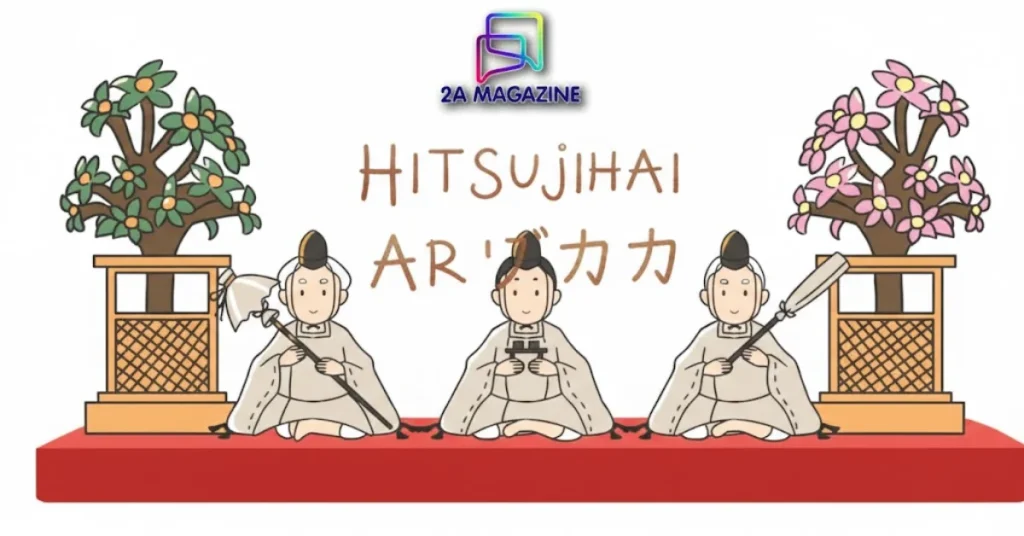
Introduction to Hitsujikai Arupaka
In the vast landscape of digital communities, symbols often emerge that encapsulate ideas, emotions, and shared experiences. One such symbol is Hitsujikai Arupaka—a term that has piqued the interest of many across various online platforms. But what does it truly represent? As we delve into its cultural significance and how it has woven itself into the fabric of niche communities, you’ll discover a fascinating narrative rich in meaning and connection. Join us on this journey to uncover the essence of Hitsujikai Arupaka and explore why it resonates so deeply with people today.
What is Hitsujikai Arupaka?
Hitsujikai Arupaka is a captivating symbol that has captured the imagination of many. At its core, it merges elements of Japanese culture with artistic expression.
The term translates roughly to “shepherd’s staff.” This imagery evokes themes of guidance and protection. It symbolizes nurturing and leadership within communities.
In various interpretations, Hitsujikai Arupaka embodies a connection between humans and nature. Its aesthetic appeal lies in its simplicity yet profound meaning. The design often features stylized sheep, representing peace and tranquility.
As digital artists adopt this motif, it transcends traditional boundaries. The symbol takes on new life through vibrant colors and innovative designs. Each rendition adds depth to its cultural significance.
This emblem resonates deeply with those seeking belonging in niche communities, fostering shared values among them. Through art and conversation, Hitsujikai Arupaka continues to evolve while maintaining its rich heritage.
The Origins and Significance of the Symbol
The origins of Hitsujikai Arupaka can be traced back to Japan’s rich tapestry of folklore and symbolism. It represents a blend of various cultural elements, drawing inspiration from ancient myths and modern interpretations.
Traditionally, the symbol has been associated with themes of protection and community. Its imagery often resonates deeply with those familiar with Japanese art and literature.
In today’s context, it embodies a connection between individuals seeking solace in shared values. The rise of digital platforms has allowed this symbol to flourish within niche communities.
Through its unique design, Hitsujikai Arupaka conveys messages that transcend language barriers. It invites people into a space where they feel understood and valued for their individuality.
Popularization in Digital Communities
The rise of Hitsujikai Arupaka in digital communities is a fascinating phenomenon. Initially, this symbol resonated within niche online forums and social media platforms dedicated to indie culture.
As more users began sharing their interpretations, the meaning evolved. Memes emerged, blending humor with deeper cultural insights that captured attention across various demographics.
Platforms like Twitter and Reddit played crucial roles in spreading awareness. Users rallied around shared aesthetics and ideologies that embodied the essence of Hitsujikai Arupaka. This collective engagement turned it into a form of digital art.
Visual representations flourished as content creators embraced it. Artists experimented with colors and styles, giving life to diverse renditions of the symbol. These variations sparked conversations among fans about its significance.
Moreover, podcasts and blogs contributed to its popularity by dissecting themes related to community identity and personal expression tied to Hitsujikai Arupaka’s symbolism.
How Hitsujikai Arupaka Represents a Sense of Belonging?
Hitsujikai Arupaka resonates deeply within niche communities, serving as a bridge for connection. It embodies shared values and experiences among diverse individuals who often feel isolated in mainstream culture.
This symbol acts as a badge of identity for many. It creates an instant sense of camaraderie among fans, fostering discussions that deepen relationships. Regardless of geographical boundaries, members find solace in their mutual appreciation for the symbol’s aesthetic and meaning.
As online spaces flourish, Hitsujikai Arupaka cultivates safe havens where people can express themselves freely. Whether through art, fashion or memes, it invites creativity and personal expression while reinforcing community ties.
The act of sharing related content solidifies bonds between users. Each post becomes a thread weaving together stories and perspectives that highlight unique journeys yet mirror collective struggles—ultimately enhancing the emotional fabric of belonging within these digital tribes.
Impact on Japanese Culture and Beyond
Hitsujikai Arupaka has ignited discussions within Japanese culture, transcending traditional boundaries. This symbol resonates deeply with youth who seek identity and community.
Its influence extends beyond Japan’s shores. International fans engage with the imagery through various platforms, blending it into their own cultural expressions. Art, music, and fashion are reimagined under its banner.
In Japan, it’s become a subcultural touchstone—a beacon for those navigating complex societal expectations. The symbol fosters inclusivity in an increasingly divided world.
Moreover, Hitsujikai Arupaka embodies themes of resilience and hope that resonate globally. It encourages individuals to embrace their uniqueness while finding strength in numbers.
As it continues to evolve within digital spaces, the symbols’ reach grows deeper. It’s not just a trend; it’s a movement reflecting shared experiences across nations and cultures.
Criticisms and Controversies Surrounding the Symbol
Hitsujikai Arupaka has not escaped criticism despite its growing popularity. Some argue that it trivializes deeper cultural and spiritual meanings in Japanese tradition. They believe the symbol reduces complex beliefs to mere aesthetic trends, diluting their significance.
Additionally, there are concerns about appropriation. Outsiders adopting hitsujikai arupaka without understanding its roots can lead to misunderstandings. This may create a disconnect between cultures while ignoring the symbol’s true essence.
The digital space amplifies these issues as discussions often become polarized. Supporters celebrate its artistic value, while detractors warn against commodification of sacred symbols. These tensions highlight the complexities of cultural exchange in today’s interconnected world.
Moreover, some communities face backlash for their interpretations or usage of this symbol online. Misrepresentation can spark heated debates among enthusiasts and critics alike, revealing underlying tensions within niche groups that embrace hitsujikai arupaka differently.
Conclusion
The phenomenon of hitsujikai arupaka transcends mere visual representation. It’s a unique symbol that encapsulates the essence of community, identity, and cultural exploration. As it continues to permeate various digital spaces, its significance only grows stronger.
For many, hitting the digital landscape with this emblem fosters a profound sense of belonging. It serves as both an identifier and a bridge connecting individuals who share similar interests or experiences. Within niche communities, hitsujikai arupaka becomes more than just an image; it’s a rallying point for shared values and collective expression.
However, like all symbols rooted in culture, it also faces scrutiny. Criticisms surrounding its commercialization and appropriation highlight ongoing debates about authenticity in modern expressions of tradition.
Regardless of these discussions, hitsujikai arupaka remains a striking testament to how art can shape social connections in our increasingly digital world. Its journey through cultural landscapes illustrates the powerful interplay between heritage and contemporary life—a reminder that even symbols can evolve while still holding deep meaning for those who embrace them.