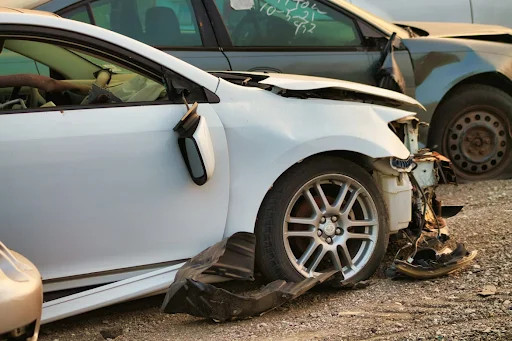
Hit and runs can be one of the most infuriating experiences as a driver. Someone runs into your car, causes damage or injury, and just takes off Run Accidents.
It’s your fault, yet you have no way to contact or find the other driver.
You can’t get help from law enforcement without giving a statement. You have no way to get your car fixed or pay medical bills, and the responsible driver is just… gone.
Here’s the thing…
Hit and runs are a growing problem on the nation’s roads. Recent statistics from the AAA Foundation for Traffic Safety show that there are over one hit-and-run crash every minute on American roadways. Yep, you read that right.
Hit and runs can leave victims in devastating situations, but understanding the law behind them can help. From knowing what steps to take immediately after an accident to pursuing fair compensation. There are rights on both sides of the issue.
Working with a skilled hit and run lawyer is also essential for victims and those facing charges. Hit and run cases have specific criminal and civil laws, and a lawyer with experience in these kinds of accidents can help you navigate those systems and avoid common pitfalls.
Keep reading to learn more about what hit and run laws say about driver responsibilities and what happens after a driver flees a collision.
Table of Contents
- Hit and Run Laws Explained
- Hit and Run Legal Penalties & Consequences
- Hit and Run Victim Rights and Compensation
- What to Do After a Hit and Run Accident
- Why Legal Representation Is Important
- Summary
Hit and Run Laws Explained
First, it’s important to know the legal definition of a hit and run accident.
Simply put, a hit and run occurs when a driver leaves the scene of an accident without stopping.
Hit and runs can be both misdemeanors and felonies. A hit and run is the legal term used when a driver does not stop and identify themselves at the scene of an accident or a crash. This is a requirement by state law in all 50 states and DC. The law typically states that the driver must:
- Stop as soon as safely possible or at the scene of the accident
- Provide their name, address, and insurance and license information
- Give reasonable assistance to anyone injured
- Notify law enforcement of the incident if necessary
Hit and runs occur when these requirements are not met. When the other driver in an accident is unwilling or unable to stay and follow the law.
And here’s the thing most people don’t realize…
The penalties for a hit and run depend on the circumstances of the crash. Damage to another vehicle? That’s usually a misdemeanor charge. Injury or death? Now we’re looking at felony charges. Keep reading to learn more about what these penalties look like.
Hit and Run Legal Penalties & Consequences
Hit and run laws and penalties for fleeing drivers vary by state, but there’s one thing they all have in common:
Hit and runs are a serious matter.
In accidents where there is only property damage, the fleeing driver can expect to be charged with a misdemeanor. Fines for misdemeanors usually max out at $1,000. The judge may also require the driver to serve up to six months in jail. Drivers will also face license suspension for a set period for Run Accidents.
If the accident caused injury or death, charges increase to a felony. A felony conviction could mean years in prison and tens of thousands of dollars in fines. In some states, a driver who leaves the scene of a fatal accident can face life in prison.
Administrative penalties also apply in these cases. A driver will almost certainly have their license suspended for six months or more. Some states allow for lifetime revocation of driving privileges in hit and run cases.
The upshot of all this is simple:
Hit and runs are bad.
Even if it’s not your fault, running away from an accident turns what might have been a simple incident into a criminal matter.
Hit and Run Victim Rights and Compensation
If you’re the victim of a hit and run, it’s easy to feel helpless. But you do have options:
- Uninsured Motorist Coverage: If the other driver can’t be found, you can make a claim on your own policy’s uninsured motorist coverage. This may cover expenses including medical bills, lost wages, and other damage.
- Civil Lawsuit: If the other driver is found, you can file a civil lawsuit against them for financial compensation for medical bills, lost wages, and other damage Run Accidents.
- Crime Victim Compensation Programs: Every state has a victim compensation program that can assist if the other driver cannot be found or if they have no insurance or resources.
According to recent data, from 2018 to 2022 over 4 million people were involved in hit and run crashes across the US. That’s a lot of victims that need to know their rights and options.
What to Do After a Hit and Run Accident
The first thing to know after a hit and run is that you should do nothing.
Wait for law enforcement to arrive. Chasing the other driver will put you in additional danger.
However, you can take the following steps:
- Take pictures: Document the scene of the accident, any damage to your car, and any other evidence.
- Get witness information: If anyone saw the accident happen, get their names and contact information.
- Note down details: Include any information you can about the other vehicle. Color, make, model, and part of the license plate number are all important.
- Call law enforcement: The sooner you file a report, the more likely it is that you will find the other driver. You also need a report to file a claim with your insurance company.
- See a doctor: Some injuries don’t manifest themselves immediately. If you’ve been in a collision, get a check-up no matter what.
Time is of the essence when it comes to hit and runs. Evidence gets lost. Witnesses move on. Surveillance cameras record over their footage. The faster you act, the better chance you have of finding the person responsible.
Why Legal Help Matters
Hit and run accidents are unique and complicated for that reason.
Insurance companies do not make filing a claim easy. They search for any reason to deny your claim or pay out as little as possible. Without an attorney, you’ll likely settle for much less than you’re entitled to.
A skilled lawyer can:
- Understand the ins and outs of insurance policies
- Gather and preserve evidence
- Investigate and identify the fleeing driver
- Work with insurance companies
- File civil litigation when necessary
The bottom line is:
Victims have rights. Victims need to know these rights to exercise them fully.
Summary
Hit and run accidents can leave both the fleeing driver and the victim with complicated legal situations.
For a fleeing driver, a misdemeanor charge for a minor crash can become a felony with prison time if injuries are involved. Drivers who leave the scene of an accident face license suspension or revocation as well Run Accidents.
For victims of a hit and run, the legal system can help provide financial relief and support. By staying at the scene of the accident, documenting everything, and understanding the rights to compensation. Hit and run victims can protect themselves and their assets.
The law is on your side.
It exists to hold irresponsible, negligent drivers accountable and protect the rights of those they harm. The more you know about your rights and responsibilities as a driver involved in an accident, the better chance you have at getting back to normal as soon as possible.