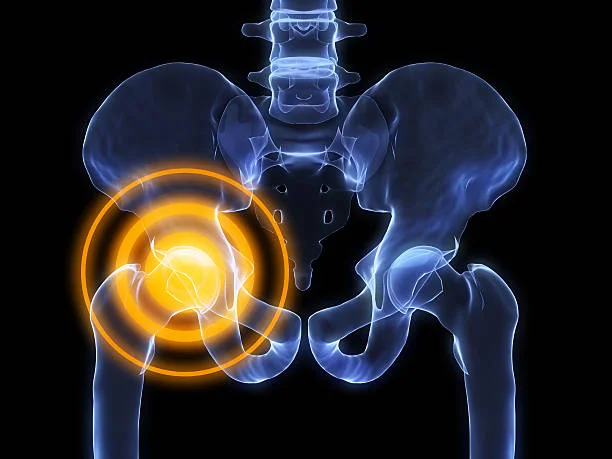
Hip pain is one of those issues that a lot of people attribute to overexertion or age and try to move on with their lives. But no matter the severity of this issue, it is something that warrants a prompt evaluation from a hip specialist in London or wherever you’re currently based. While most sources of hip pain are indeed manageable avascular necrosis, there can also be times when the source is less obvious and far more serious.
Avascular Necrosis (AVN), a condition in which the bone tissue in the hip dies due to an interrupted blood supply, is one such cause that often gets overlooked until it makes things excruciatingly difficult for us. If you’ve been trying to figure out the cause of your hip pain with little success, then this guide may just be for you. Read on as we explore AVN in detail and figure out if it’s the true source of your problem.
What is avascular necrosis of the hip?
Avascular necrosis typically happens when blood flow to the femoral head (ball-shaped top) of our thighbone is interrupted. Without a consistent blood supply, the cells in this bone begin to die and, over time, cause structural issues in the area.
In its early stage, this process continues somewhat stealthily with little to no symptoms. This is why most people never realise that something is wrong until the condition worsens to a painful degree.
Another reason this condition slips under the radar is that it affects people across a broad age range, from 30 to 60. That, coupled with its silent progression, makes the timely diagnosis and treatment of the condition particularly tricky.
How serious is avascular necrosis?
AVN is a serious, degenerative disease that, when left untreated, becomes increasingly unmanageable for the patient. As the bone continues to deteriorate, the femoral bone’s structural integrity eventually collapses. When that happens, the joint surface becomes irregular, affecting how our hip functions.
There are some major implications for this: people affected with AVN find it difficult to bear any weight on the affected leg, their mobility is reduced, they experience persistent pain, and eventually, their joint fails to function altogether.
While AVN can ultimately be treated with a complete hip replacement surgery, it’s important to note that this is a situation reserved for only when the condition is allowed to progress unchecked. If you can catch it early, you’ll have a wider range of options to prevent any irreversible damage to the hip joint.
What Causes Avascular Necrosis?
AVN usually develops when the blood supply to the femoral head is reduced or blocked. There are two potential culprits behind this: traumatic or non-traumatic causes. Traumatic causes include hip fractures or dislocations, which can damage the bone’s blood vessels. Non-traumatic causes are conditions that disrupt blood flow, such as blood that clots easily, fat deposits from lipid disorders, sickle cell disease, or autoimmune conditions that cause blood vessel inflammation.
Interestingly, pancreatitis has also been linked to AVN through mechanisms currently under study worldwide. There’s also a link with alcohol and corticosteroid use – excessive alcohol interferes with the body’s ability to produce new bone cells and increases fat accumulation in blood vessels, while long-term steroid use affects bone metabolism and increases the risk of fat embolism.
What are the characteristics of avascular necrosis?
AVN tends to produce a distinct pain pattern that differs from typical hip pain, and the pain is typically deep and internal, felt primarily in the groin. This is because the femoral head sits deep within our hip joint, and damage there can feel like groin discomfort rather than any surface-level pain. Occasionally, this pain may also radiate outwards to the buttock or thigh due to shared nerve pathways.
As for progression, AVN pain starts as activity-related discomfort, such as walking or standing for extended periods. But as your bone integrity declines, the pain may begin to appear during everyday movements, from getting out of a chair to even lying down on a bed. As the disease advances, you’ll notice that no amount of rest provides relief from the pain, and it becomes increasingly difficult to bear any weight on your legs.
Beyond pain, there are also a few associated symptoms that must not be ignored. You might notice restricted hip rotation, stiffness when you first wake up, or a sense of mechanical catching or locking in the joint. These symptoms are a part of the structural changes that happen within the hip and often accompany the pain as AVN progresses.
What are the first signs of necrosis?
When it comes to the first signs of necrosis, the first thing you might notice is a bit of mild discomfort after standing for too long or a slightly limp developing in your walk without any injury. Along with this, you may even experience difficulty pivoting or rotating your leg, or feel a strange tightness deep within the hip region.
These symptoms occur because the bone is beginning to weaken, even before significant structural damage. The problem is that these early signs are nonspecific, so they can easily be mistaken for muscle strain, general fatigue, or the effects of ageing. As a result, most people brush them off, assuming they’ll either go with conservative techniques or do it on their own. Sometimes they do, but when they don’t, that’s when you need to get yourself checked by a specialist.
When Should You Seek Help?
There are clear thresholds with AVN that should prompt immediate action. If you have hip pain lasting more than a few weeks despite rest, get checked. If you find it harder to climb stairs, rise from a chair, or walk without discomfort, do not ignore these signs. Gradually worsening hip limitations without injury are another red flag.
You need an MRI or X-ray before the bone collapses, as treatment is most effective then. In early avascular necrosis, before hip replacement is considered, doctors try non-surgical strategies. These include pain medications, limiting weight-bearing with crutches, and physical therapy to maintain motion and strengthen muscles. Core decompression, which removes part of the inner bone layer to improve blood supply, is another option. These treatments aim to slow disease progression, reduce pain, and preserve joint function. Remember, not all hip pain is AVN, and there may be less serious causes. Still, any persistent, unexplained discomfort should be assessed to rule out serious conditions and avoid reaching the point where hip replacement is the only option.
Conclusion
At the end of the day, while AVN is a serious condition, it is still a treatable one, especially when recognised on time. That’s the whole point: if you’re experiencing hip pain and if the discomfort is worsening over time, seek help from a hip specialist immediately. When you address such issues early, you increase the chances of a successful treatment tenfold, which, by extension, almost guarantees that your quality of life will remain unaffected. So stay informed and ready to act, as proactive attention to hip health can make all the difference in the long run.
Step into new perspectives with content waiting to be explored at 2A Magazine.