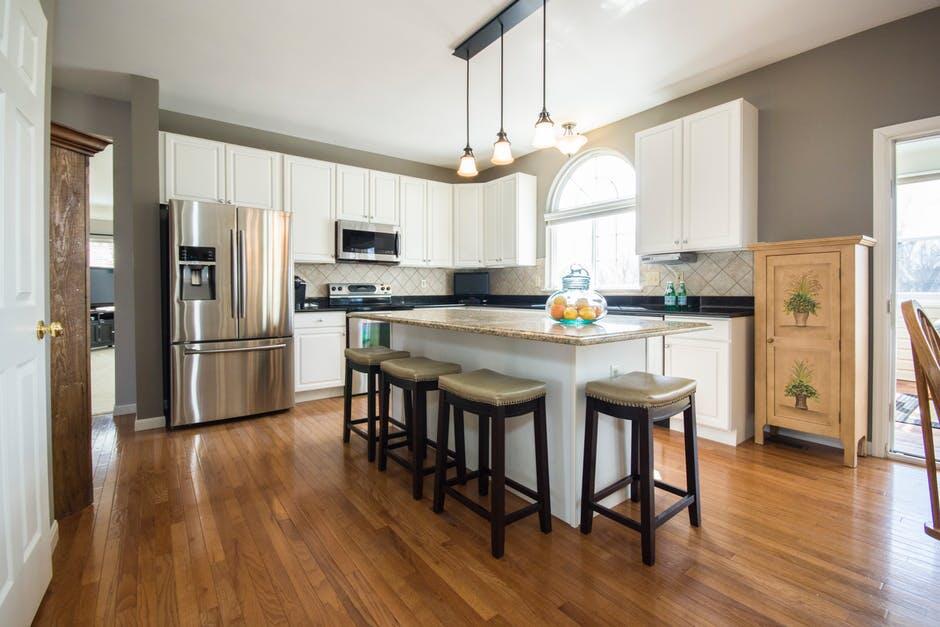
Choosing the right flooring is a big part of any home renovation. Floors affect how your home looks, feels, and functions every day.
The right choice can improve comfort, style, and value. Read on to learn how to choose the best flooring for your home.
Understanding Your Needs
Before choosing flooring, think about how each space is used. High-traffic areas like living rooms and hallways need strong materials. Bedrooms may need softer and warmer options. Kitchens and bathrooms need water-resistant flooring.
Also, think about your lifestyle. If you have pets or kids, you may need scratch-resistant and easy-to-clean floors. If you prefer low maintenance, choose materials that do not need frequent care.
Matching your flooring to your needs helps you avoid problems later. It also ensures that your floors stay in good condition for a long time.
Types of Flooring Materials
There are many types of flooring materials to choose from. Each one has its own benefits. Hardwood is a popular option because it looks natural and lasts for many years. It can be refinished when worn, which adds to its value.
Laminate flooring is a more affordable option. It can look like wood but is easier to install and maintain. Vinyl flooring is also popular because it is water-resistant and durable. It works well in kitchens and bathrooms.
Tile flooring is another strong option. It is very durable and handles moisture well. Carpet is soft and comfortable, making it a good choice for bedrooms and living areas.
Understanding these options helps you pick the right material for each room.
Balancing Style and Function
Flooring should match both your style and your needs. Light colors can make a room feel larger and brighter. Dark colors can add warmth and depth. Patterns and textures can also change the look of a space.
At the same time, function is just as important. A beautiful floor that is hard to maintain may not be the best choice. Always consider how the floor will be used each day.
Balancing style and function ensures that your home looks good and works well for your lifestyle.
Budget Planning
Budget is an important part of any renovation. Flooring costs can vary based on material, size, and installation. Hardwood and tile may cost more, while laminate and vinyl are usually more affordable.
Do not forget to include installation costs. Some materials require professional installation, which adds to the total cost. Maintenance costs should also be considered.
Setting a clear budget helps you make better choices. It also prevents overspending and keeps your project on track.
Installation Methods
Different flooring types have different installation methods. Some floors, like laminate and vinyl planks, are designed for easy installation. They can be installed using simple tools.
Other materials, like tile and hardwood, often need professional help. Proper installation ensures that the floor is level, secure, and long-lasting.
Taking time to understand installation methods can save you time and money. It also helps avoid mistakes that can affect the final result.
Durability and Maintenance
Durability is a key factor when choosing flooring. High-traffic areas need materials that can handle wear and tear. Tile and vinyl are known for their durability. Hardwood is also strong but may need refinishing over time.
Maintenance is also important. Some floors need regular cleaning and care. Carpet may require frequent vacuuming and deep cleaning. Tile may need grout cleaning.
Choosing a floor that matches your maintenance routine makes daily care easier. It also helps your floors last longer.
Water Resistance and Safety
Water resistance is important in areas like kitchens, bathrooms, and basements. Vinyl and tile are good choices because they can handle moisture. Hardwood may not be ideal in these spaces unless treated properly.
Safety should also be considered. Some flooring materials can be slippery. Choosing textured surfaces or adding rugs can help reduce the risk of falls.
These factors help create a safe and practical home environment.
Eco-Friendly Options
Many homeowners now look for eco-friendly flooring. These options are better for the environment and often safer for indoor air quality.
Bamboo and cork are popular choices. They are renewable and durable. Some types of wood flooring are also sourced responsibly.
Low-VOC materials help reduce harmful chemicals in your home. Choosing eco-friendly options supports a healthier living space.
Matching Flooring With Interior Design
Your flooring should match your overall design. It should work well with your walls, furniture, and decor. A consistent style makes your home feel more connected.
Open spaces benefit from using the same flooring throughout. This creates a smooth and clean look. Different rooms can have different flooring, but the colors and styles should still match.
Careful planning helps create a balanced and attractive space.
Choosing the Right Color and Finish
Color and finish can change the mood of a room. Light tones can make spaces feel open and airy. Dark tones can create a cozy and elegant look.
Matte finishes hide scratches better, while glossy finishes reflect more light. Choosing the right finish depends on your lifestyle and design goals. This step helps enhance both beauty and function.
Sound and Comfort Considerations
Some flooring materials can affect sound in your home. Hard surfaces like tile can create echoes, while carpet helps absorb sound.
Comfort is also important. Softer materials feel better underfoot, especially in areas where you stand often. Adding underlayment can improve comfort and reduce noise.
These factors make your home more relaxing and enjoyable.
Common Mistakes to Avoid
Many homeowners make mistakes when choosing flooring. One common mistake is focusing only on appearance. A floor may look good but may not suit your needs.
Another mistake is ignoring maintenance. Some materials require more care than expected. This can become a problem over time.
Skipping proper installation is also a risk. Poor installation can lead to uneven floors and damage.
Avoiding these mistakes helps ensure a successful renovation.
Using a Flooring Buying Guide
A Flooring buying guide can help simplify your choices. It provides useful information about materials, costs, and maintenance. It also helps you compare options based on your needs.
Using a guide saves time and reduces confusion. It allows you to make informed decisions and choose the best flooring for your home.
Long-Term Value
Flooring is a long-term investment. The right choice can increase your home’s value and appeal. Buyers often notice the flooring first when they enter a home.
Durable and stylish flooring can make your home more attractive. It can also reduce future repair and replacement costs.
Thinking about long-term value helps you choose wisely. It ensures that your renovation pays off over time.
Seasonal Considerations
Climate can affect your flooring choice. In warm areas, tile can help keep spaces cool. In colder areas, carpet or wood can add warmth.
Humidity levels can also impact flooring. Some materials expand or shrink with changes in temperature. Choosing the right material for your climate helps prevent damage.
Considering these factors ensures better performance and comfort.
Preparing Your Space
Before installing new flooring, proper preparation is needed. Old flooring must be removed, and the surface should be cleaned and leveled. This helps the new flooring fit well and last longer.
Checking for moisture or damage is also important. Fixing issues before installation prevents future problems.
Good preparation leads to better results and a smoother installation process.
Room-By-Room Flooring Guide
Each room in your home has different needs. Living rooms benefit from durable and stylish flooring. Bedrooms are better with soft and warm materials like carpet.
Kitchens need water-resistant and easy-to-clean flooring like tile or vinyl. Bathrooms require moisture-proof options to prevent damage.
Choosing flooring based on each room helps improve comfort and function.
Trends in Modern Flooring
Flooring trends change over time. Many homeowners now prefer natural looks like wood and stone. Neutral colors are also popular because they match many styles.
Wide planks and textured finishes are common in modern homes. These styles add depth and character to spaces.
Following trends can inspire your design, but always choose what fits your needs best.
Hiring Professionals vs DIY
Some homeowners choose to install flooring themselves. This can save money but requires time and skill. Mistakes can lead to extra costs later.
Hiring professionals ensures proper installation. They have the tools and experience needed for quality results.
Deciding between DIY and professional help depends on your budget and confidence.
Final Inspection and Care
After installation, inspect your flooring carefully. Check for gaps, uneven areas, or damage. Fixing issues early prevents bigger problems later.
Regular care keeps your flooring in good condition. Cleaning and maintenance should match the type of material you choose.
Taking care of your floors helps them last longer and look better over time.
Successful Home Renovation: Flooring Choices That Transform Your Home
Choosing the right flooring is key to a successful home renovation. By understanding your needs, exploring materials, and planning carefully, you can create a space that is both beautiful and practical.
The right flooring improves comfort, adds value, and supports your lifestyle for years to come.
Did you find this article helpful? Check out the rest of our blog for more!