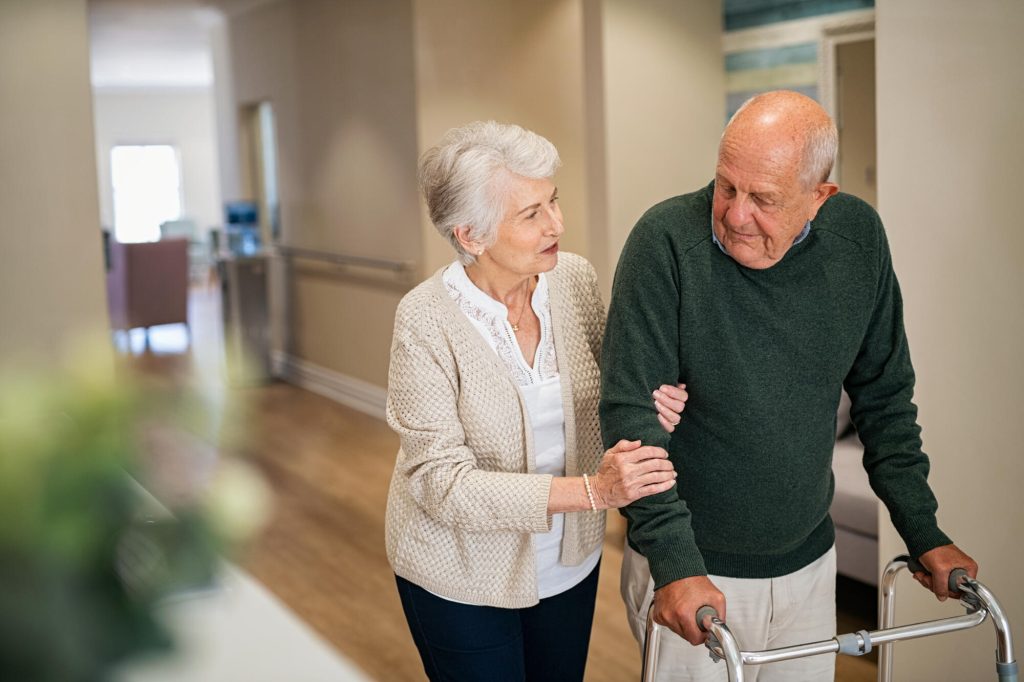
Emotional health grows when daily life feels balanced and calm. Flexible living choices help people stay active while also feeling safe and supported. When routines fit personal needs, stress is lower and confidence grows.
If you want a lifestyle that supports emotional health and active days, now is the time to explore flexible living options that make each day easier and more meaningful. Continue reading to discover everything you need to know.
What Flexible Living Really Means
Flexible living means having choices in how you spend your day. You can be active when you want and rest when you need. There is no pressure to follow a strict schedule. This freedom helps people feel in control of their lives.
When people feel in control, emotional health improves. Worry and stress often come from feeling rushed or limited. Flexible living removes that pressure and allows a steady, comfortable pace.
Daily Routines That Support Emotional Health
Daily routines help bring structure and calm. Flexible living allows routines to change as needs change. You can enjoy morning walks, hobbies, or quiet time without stress.
Having choice supports emotional balance. Some days you may want social time. Other days you may want peace and rest. Both are healthy and important.
Staying Active Without Feeling Forced
Active routines are good for the body and mind. Flexible living supports movement without pressure. Light exercise, walking, or group activities can fit easily into the day.
When activity feels enjoyable, people are more likely to keep moving. This supports better mood and energy. Staying active helps reduce anxiety and improve sleep.
Social Connection on Your Terms
Social time supports emotional health. Flexible living offers chances to connect without forcing interaction. You can join group events or spend time one-on-one with friends.
This choice helps people feel comfortable. Social connection becomes something to enjoy, not something to avoid. Feeling connected reduces loneliness and builds emotional strength.
Quiet Time Is Just as Important
Emotional health also needs quiet moments. Flexible living allows space for rest, reading, or reflection. Quiet time helps calm the mind and reduce stress.
People can step back when they feel overwhelmed. This balance between activity and rest supports long-term emotional wellness.
Independence Builds Confidence
Independence supports self-worth and emotional strength. Flexible living encourages people to do what they can on their own. Help is available when needed, but freedom is respected.
Independent living at McCarthy Court offers a supportive setting where residents can stay active, maintain independence, and enjoy daily life with confidence and ease.This sense of independence helps people feel capable and valued. Confidence grows when people make their own choices each day.
Adapting as Needs Change
Needs change over time, and flexible living allows for this. Routines can adjust without major disruption. This reduces fear of change.
Knowing that support can grow when needed brings peace of mind. Emotional health improves when people feel prepared and supported.
Emotional Benefits of a Flexible Lifestyle
A flexible lifestyle reduces daily stress. It supports better mood and emotional balance. People feel less rushed and more at ease.
This calm approach helps people enjoy life more fully. Emotional health grows when daily living feels natural and supportive.
Living Choices That Support Emotional Health
Flexible living choices create space for active routines and emotional wellness. They allow movement, rest, and connection at a comfortable pace. With freedom and support working together, daily life feels balanced and calm.
Choosing a flexible living lifestyle is a powerful step toward stronger emotional health and a more fulfilling daily routine. Expand your knowledge and check out more posts on our blog!