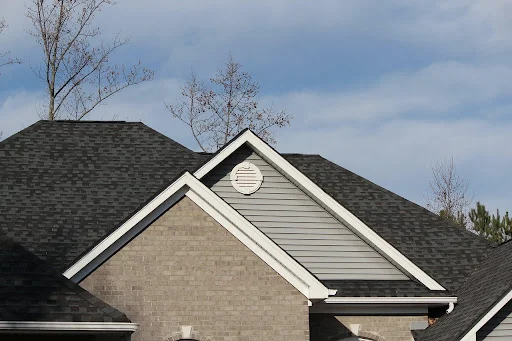
Owning property is a long game. The secret is simple habits that keep small issues from becoming expensive problems. Use these tips to build a maintenance routine or Exterior maintenance tips that fits real life.
Plan Seasonal Walkarounds
Do a quick walkaround at the start of each season and look from the ground up for damage, sagging lines, staining, or gaps. For complex roof issues, consult roofers in Washington, nearby towns, or trusted contractors within your community mid-project rather than after a leak shows up. Document trouble spots with photos so you can compare changes over time.
Repeat the loop after major wind or heavy rain. Note missing shingles, cracked siding, leaning fences, and clogged drains. Five minutes now can save hours later.
Keep a simple checklist on your phone. Break tasks by zone, so the work feels doable. When in doubt about safety or ladders, bring in a pro.
Keep Roofs Clear And Dry
A clean, dry roof lasts longer. Use a soft brush or a leaf blower held at a low angle to remove small branches and debris. Skip pressure washers that can strip granules and force water under shingles.
In snowy periods, watch for ridge lines of ice at the eaves. A home magazine explains that ice dams form when melting snow refreezes along roof edges Exterior maintenance tips, which can push water under shingles and cause interior leaks. Use a roof rake from the ground to reduce snow load and improve drainage before refreezing happens.
Check flashing around chimneys, vents, and skylights each season. Look for cracked sealant, lifted edges, or rust. Reseal with compatible materials to prevent capillary leaks.
Handpicked for you—this Related article is worth every minute.
Gutters, Downspouts, Grading
Water is the number-one enemy of exterior materials. Keep it moving away from your building.
- Clear gutters in spring and fall, and more often under heavy-shedding trees.
- Confirm downspouts discharge at least 4 to 6 feet from the foundation.
- Add extenders or splash blocks to redirect flow.
- Make sure soil slopes away from walls about 1 inch per foot for the first 6 to 10 feet.
- Flush sections with a garden hose to confirm uninterrupted flow.
If you see fascia stains or dirt streaks on siding, that is a sign of overflow. Remove clogs and recheck pitch. Consider gutter guards suited to your tree types, but still plan for periodic cleanouts.
Control Vegetation And Wildfire Risk
Landscape with fire safety and building health in mind. Trim branches 5 to 10 feet away from roofs and siding to cut scraping, moss growth, and pest access. Keep mulch, brush piles, and stacked wood away from structures.
State forestry guidance notes that many homes lost to wildland fire could have been saved if brush were cleared and defensible space were created. Build a lean, clean zone by removing dead plants, spacing shrubs, and storing gas cans safely. Swap resin-heavy evergreens near walls for low-fuel, well-watered species.
Aim irrigation at the roots, not the house Exterior maintenance tips. Fix overspray that wets siding or windows. Dry walls and foundations last longer and resist mildew.
Protect Structures And Surfaces
Walk decks and stairs for soft spots or wobbles. Tighten railings and replace rotten treads before a fall happens. A quick water-bead test tells you when to reseal.
Inspect paint and caulk lines around windows, trim, and doors. Hairline gaps invite water and raise energy bills. Cut out failed caulk, clean, and apply a paintable exterior sealant that matches the joint size.
When repainting, spot-prime bare wood and follow the manufacturer’s dry times. Lightly sand glossy patches for better adhesion. Small touch-ups now prevent major siding replacement later.
Care For Walkways And Drainage
Scan walkways for trip hazards like lifted slabs or loose pavers. Mark issues and schedule repairs when the weather is dry. Keep steps and handrails sturdy and grippy.
Clean algae and moss from shaded paths. A stiff brush and a mild cleaner usually do the job. Avoid harsh acids that can etch concrete Exterior maintenance tips.
Check that downspouts and French drains do not dump water across paths. Redirect flow under or around walkways. Dry, even surfaces are safer and last longer.
Build A Preventive Maintenance Rhythm
Create a simple calendar by season. Group tasks by time and tools to limit setup and cleanup. Short, steady sessions beat marathon weekends.
Keep a tote with gloves, safety glasses, exterior screws, caulk, and a utility knife ready to go. Label spare parts and store manuals together. A little organization speeds every fix.
Track every repair in one file. Note dates, materials, and costs. This record supports warranty claims and builds buyer confidence if you sell.

Staying ahead of exterior maintenance is about steady attention, not perfection. With seasonal checks, smart water control, and safe vegetation management, you protect both the building and your budget. Little wins add up when you revisit them throughout the year.
Don’t miss this featured post packed with valuable insights and ideas at 2A Magazine.