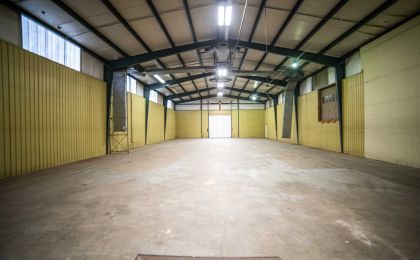
For warehouse managers and logistics professionals, scalable and flexible storage solutions are critical for managing inventory, equipment, and seasonal fluctuations. Large fabric shelters offer a balance of covered space, rapid deployment, and cost-effectiveness compared to permanent structures. This article examines the technical and operational considerations for implementing a peak ceiling storage shelter in an industrial setting.
Technical Overview and Functional Design
A peak ceiling shelter is a semi-permanent structure consisting of a galvanized steel frame and a heavy-duty fabric cover. The peaked roof design is fundamental for shedding snow and rain. Models like the 30′ x 60′ Peak Ceiling Storage Shelter provide substantial clear-span space, approximately 1800 square feet, suitable for housing machinery, palletized goods, or serving as a temporary workshop.
Core Features for Industrial Use
- Drive-Through Access: Roll-up doors on both ends enable efficient through-flow for vehicles and equipment.
- High-Load Frame: A commercial-grade steel frame with specific truss spacing is engineered for wind and snow resistance.
- Durable Cladding: A UV-treated, flame-retardant PVC cover provides weather protection and diffused natural light.
Foundational Considerations for Safety and Performance
The performance and safety of any large shelter hinge on proper site preparation and understanding its design limits. A solid, level foundation such as a concrete slab is not optional but a requirement for structural integrity. Crucially, the buyer is responsible for verifying that the structure meets all local municipal building codes, snow load, and wind load regulations before purchase and installation.
Critical Safety and Installation Protocols
Adherence to safety protocols during assembly and use is non-negotiable.
- Follow all manufacturer assembly instructions precisely, using adequate personnel and equipment.
- Ensure the foundation is perfectly level and of adequate size as per specifications.
- Securely anchor the structure using appropriate hardware (anchor bolts not included) for your ground type.
- Establish a regular inspection routine for the cover, frame connections, and door mechanisms, especially after severe weather.
- Clearly mark doorways and overhead clearance points to prevent collisions with equipment.
Operational Analysis and Practical Application
The primary advantage of a 30′ x 60′ Peak Ceiling Storage Shelter is its rapid deployment of a large, covered footprint at a lower cost than rigid construction. The high ceiling and drive-through design maximize operational flexibility. A key limitation is its semi-permanent nature; the fabric cover has a finite service life and requires eventual replacement, and the structure may not be suitable for locations with extreme, code-mandated snow loads without prior engineering approval.
Real-World Implementation Scenario
A common application is for a construction or landscaping company needing to store bulk materials (mulch, salt) and protect expensive machinery like excavators and loaders over the winter. The shelter provides immediate protection from sun, rain, and snow, extending equipment life and keeping materials dry and workable, all while allowing easy access for daily use.
Conclusion and Strategic Perspective
Large peak ceiling shelters represent a pragmatic solution for expanding operational space. The industry trend favors durable, heavy-duty DIY kits that offer clear-span space and customizable options like door placement. For procurement specialists and operations managers, success depends on a diligent process: thorough site planning, verification of local engineering requirements, professional installation, and committed ongoing maintenance to ensure a safe and long-lasting asset.