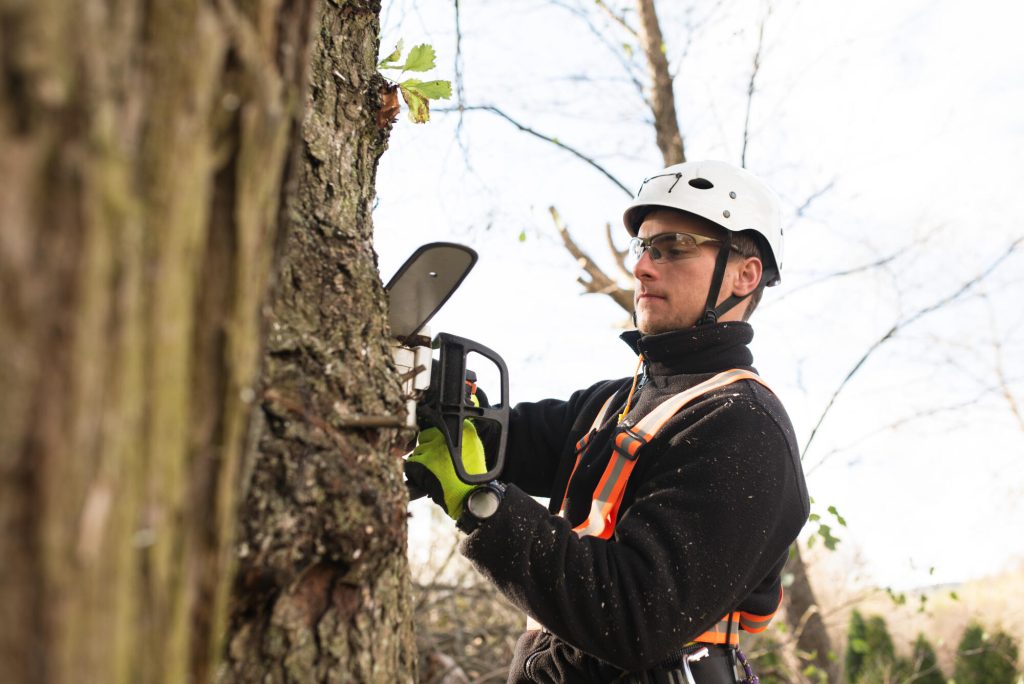
Maintaining trees around your home improves safety and beauty. Healthy trees increase property value and reduce future costs. Regular care prevents disease, pests, and unexpected damage risks. Proper maintenance also ensures strong growth and long life.
Neglecting trees can lead to weak branches and hazards. Simple habits can keep trees thriving throughout every season. Learn essential tree maintenance tips to protect your home today.
Explore the following sections to improve your tree care knowledge.
Pruning for Healthy Growth
Pruning removes dead branches that block sunlight and airflow. Correct pruning shapes trees to encourage balanced, strong growth. Avoid removing too much foliage in a single session.
Always use clean tools to prevent disease spread effectively. Focus on cutting branches at proper angles and locations. Timing pruning during dormancy prevents stress on young trees.
Regular pruning reduces risk of broken branches in storms. Inspect trees carefully before making any pruning decisions. Proper cuts promote healing and prevent long-term damage.
Inspecting for Pests
Check leaves, bark, and branches for unusual changes. Insects can hide under bark or within leaf clusters. Identify pest signs early to prevent widespread infestation quickly. Treat problems promptly using safe, targeted solutions at home. Avoid harsh chemicals that could harm nearby plants and soil.
Keep surrounding area clean to reduce potential pest habitats. Regular inspections prevent costly tree damage later on. Watch for holes, webbing, or sticky residue on surfaces. Stay consistent with checks every few weeks for safety.
Monitoring Soil Health
Healthy soil supports strong roots and vibrant tree growth. Test soil pH to ensure the right nutrient balance. Add compost or organic matter to enrich poor soil. Avoid compacting soil near roots during gardening or construction. Mulching around the base conserves moisture and controls weeds.
Inspect soil for signs of erosion or poor drainage. Proper soil health reduces stress and increases disease resistance. Water adequately according to seasonal needs and rainfall patterns. Fertilize carefully to avoid nutrient overload or chemical damage.
Watering Practices
Deep watering encourages roots to grow strong and deep. Water trees slowly to reach the root zone efficiently. Avoid shallow watering that encourages weak, surface roots. Adjust watering frequency based on season and tree species. Check soil moisture before adding more water to prevent overwatering.
Mulch helps retain moisture and moderates temperature around roots. Avoid watering during extreme heat to reduce evaporation loss. Consistent care prevents drought stress and long-term decline. Watering correctly supports overall tree health and appearance.
Mulching Benefits
Mulch insulates soil and retains moisture around tree roots. Keep mulch a few inches away from the trunk base. Apply 2 to 4 inches thick to maximize protection benefits. Organic mulch also breaks down and enriches the soil naturally.
Mulching reduces weeds that compete for nutrients and water. It prevents soil compaction and maintains even soil temperature. Replace old mulch annually to maintain effectiveness and freshness.
Proper mulching supports healthy growth and reduces stress. Avoid piling mulch directly against bark to prevent rot.
Fertilizing for Strength
Use fertilizer to provide essential nutrients for optimal growth. Choose slow-release formulas to avoid burning roots or foliage. Apply fertilizer evenly around the root zone without excess. Avoid fertilizing during dormancy to prevent wasted nutrients. Monitor tree response and adjust application as necessary.
Healthy trees resist pests, disease, and environmental stress better. Follow label instructions carefully to ensure safe usage. Over-fertilizing can harm both trees and surrounding plants. Fertilizing promotes vibrant foliage, stronger branches, and higher resilience.
Managing Tree Disease
Identify disease signs early to prevent severe damage quickly. Look for discolored leaves, oozing bark, or unusual growths. Remove affected branches carefully to stop disease spread effectively. Avoid cutting during wet conditions that promote fungal growth.
Sanitize tools after each cut to prevent contamination. Maintain proper spacing to allow airflow between trees. Apply treatments recommended for the specific type of disease. Monitor trees after treatment to confirm recovery progress. Quick intervention improves chances of full tree restoration.
Protecting Roots
Roots provide stability and nutrient absorption for every tree. Avoid digging near roots during landscaping or construction projects. Keep heavy machinery away to prevent soil compaction damage. Mulch can protect shallow roots from temperature extremes effectively. Do not pile soil on roots, which can suffocate trees.
Monitor roots for exposed areas or rot signs often. Gentle watering encourages deep, healthy root growth consistently. Avoid excessive foot traffic near root zones to prevent harm. Healthy roots improve overall tree structure and longevity significantly.
Seasonal Maintenance
Adjust tree care based on seasonal changes and weather conditions. Prune during dormant months for minimal stress on trees. Increase watering during dry, hot summer periods carefully. Mulch in fall to insulate roots through winter months. Inspect for storm damage after strong winds or rain events.
Remove fallen debris to prevent pests and fungal growth. Fertilize at recommended times for seasonal nutrient needs. Watch for early signs of seasonal diseases or pests. Seasonal attention reduces long-term damage and improves tree health.
Safe Tree Removal
Occasionally, removing trees becomes necessary for safety reasons. Assess structural integrity before deciding to remove a tree fully. Cut branches in manageable sections to prevent accidents. Consider professional assistance to handle large or hazardous trees.
Removing trees improperly can damage surrounding property or plants. Follow local regulations regarding tree removal and permits carefully. Clean the area thoroughly after removal to prevent hazards.
Proper removal prevents accidents and ensures safety for everyone. Plan for replacement trees to maintain environmental benefits.
Emergency Tree Care
Storms, disease, or accidents require immediate tree care attention. Inspect trees for damage following heavy winds or ice storms. Remove loose or broken branches to reduce risk hazards. Contact a tree service if the damage exceeds safe limits. Emergency pruning prevents further structural weakening and property damage.
Monitor remaining trees for stress caused by extreme events. Have a plan for quick response during seasonal storms. Acting promptly reduces long-term harm to valuable trees. Emergency care supports property safety and tree survival.
Follow These Essential Tree Maintenance Tips
Regular tree care protects property and enhances outdoor spaces. Simple practices like pruning, watering, and mulching improve tree health. Monitoring for pests and disease prevents costly long-term damage. Seasonal adjustments ensure trees thrive year-round without stress.
Young trees need support to establish strong, stable roots. Proper maintenance extends tree life and reduces future risks. Follow these tree maintenance tips to maintain safe, healthy trees.
For other topics, visit our blog.