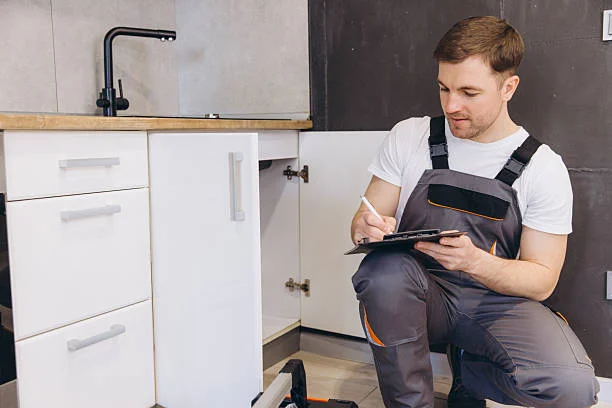
Maintaining your home’s plumbing system is crucial for avoiding unexpected repair costs and promoting water efficiency. A proactive approach to care can save you headaches and money by catching small problems before they turn into big ones. By following a strategic maintenance schedule and using reliable professionals like Empire Plumbing & AC, you can extend the lifespan of your pipes, fixtures, and appliances.
Many maintenance tasks are simple enough for most homeowners, but understanding when a professional touch is required is key. Keeping your plumbing in top shape protects your home from water damage and helps conserve water, which is good for your wallet and the environment.
Regular maintenance can also improve the performance and reliability of your plumbing, helping you avoid disruptive breakdowns. Investing time in routine inspections today means fewer emergencies and greater peace of mind tomorrow.
To fully protect your home’s comfort systems, remember to schedule regular HVAC checkups. Professional AC repair services ensure your air conditioning is ready for changing weather and complements a strong plumbing maintenance routine.
Monthly Plumbing Maintenance Tasks
Catching minor problems early is the most effective way to prevent larger, costly plumbing repairs. Conduct these quick monthly checks to stay ahead:
- Inspect for Leaks: Peer under sinks, around toilets, and near appliances for drips or signs of moisture. Even a slow leak can lead to mold and structural damage.
- Test Water Pressure: Use a gauge to ensure your home’s water pressure stays within the 40-80 PSI range. Too much or too little can suggest hidden issues.
- Clean Drains: Flush drains with boiling water to remove early buildup. Steer clear of chemical cleaners, which can weaken your pipes over time.
- Check Faucet Aerators and Showerheads: Clean off mineral buildup to maintain optimal water flow.
- Monitor Water Bills: Unexpected spikes in your water bill may indicate a hidden leak somewhere in your system. Reviewing your bill regularly will help you spot problems before they escalate.
- Listen for Unusual Noises: Pay attention to any banging, whistling, or clanking sounds from your plumbing. These can be early warnings of pipe problems such as air in the lines, loose fittings, or developing blockages.
Quarterly Plumbing Maintenance Tasks
Every three months, go a step further to check the integrity of your exposed pipes and important fixtures:
- Inspect Exposed Pipes: Look for rust, corrosion, or signs of leaks, especially in basements or crawl spaces where problems often start unnoticed.
- Test Sump Pump: Add water to the pit and confirm the pump turns on and evacuates water efficiently. A working sump pump prevents costly basement floods.
- Examine Caulking: Review the grout or caulking around tubs and showers. Replacing cracked or missing sections stops water from reaching underlying structures.
- Check Appliance Hoses: Inspect hoses on washing machines, dishwashers, and refrigerators for cracks, bulges, or leaks. Replacing a worn-out hose is simple and averts major flooding risks.
Annual Plumbing Maintenance Tasks
Once a year, a thorough check and professional servicing will help your system last longer:
- Flush Water Heater: Buildup at the bottom of your tank can reduce efficiency and shorten its lifespan. Have a professional flush the system to clear out sediment.
- Test Shut-Off Valves: Make sure all shut-off valves in your home turn smoothly and seal completely. This prepares you for emergencies where water must be stopped quickly.
- Inspect Sewer Lines: Particularly if you have older pipes or mature trees nearby, schedule a professional inspection to catch root invasions or blockages early.
- Check for Water Stains: Survey ceilings, walls, and floors for discoloration, which can be a hidden sign of slow leaks behind surfaces. Finding and addressing these early reduces the risk of serious damage.
- Schedule Backflow Testing: If you have a backflow prevention device, make sure it’s tested and certified annually to keep your water supply safe and uncontaminated.
Seasonal Plumbing Maintenance Tips
Weather changes can stress your plumbing system in unique ways. Use these tips to prevent seasonal damage:
Spring
- Check for Winter Damage: Inspect pipes indoors and out for cracks or leaks that may have been caused by freezing temperatures.
- Clean Gutters and Downspouts: Clear debris to allow water to flow freely and protect your foundation from water damage.
- Test Outdoor Faucets: After winter, ensure outdoor spigots and irrigation systems work correctly and don’t leak, as freezing weather can cause hidden cracks.
- Check Basement and Crawlspace: Look for water seepage from spring rains, which could indicate poor drainage or developing plumbing problems.
Winter
- Insulate Pipes: In colder months, insulate pipes located in unheated spaces to prevent freezing and bursting.
- Disconnect Outdoor Hoses: Drain and store hoses so lingering water does not cause pipe cracks when it freezes and expands.
- Seal Gaps: Inspect foundation or exterior walls for gaps or cracks near pipes; seal them to keep cold air from lowering temperatures in vulnerable areas.
- Let Faucets Drip: During extreme cold, allow a slow drip from faucets to relieve pressure and reduce the risk of freezing pipes.
When to Call a Professional
Most homeowners can handle basic inspections, but some situations require professional expertise:
- Persistent Low Water Pressure: This often indicates a more serious plumbing problem.
- Major Leaks or Pipe Damage: For severe leaks or pipe repairs, professional attention ensures the repair is durable and safe.
- Water Heater Problems: Inconsistent temperatures or odd noises are signs that a technician should evaluate your equipment.
- Recurring or Stubborn Clogs: If plunged or snaked drains become blocked again quickly, there may be a deeper obstruction or sewer line issue that needs expert tools and observation.
- Home Remodels or Upgrades: Any time you add new plumbing fixtures or appliances, hire a professional to ensure proper permitting and code compliance.
Conclusion
Building a habit of regular plumbing maintenance keeps your home’s system healthy and durable. By following this checklist, you are likely to catch issues when they are small and manageable. Consistent care not only keeps your home running smoothly but also protects your investment for years to come.
Remember, preventive maintenance is always more cost-effective than emergency repairs. Stay observant, address small issues right away, and find a trusted plumbing professional for the larger or more complex tasks. If you’re ever in doubt or face a plumbing question beyond your skill set, don’t hesitate to reach out to experienced plumbers to ensure your system remains reliable and efficient throughout every season.