
Running your own authority is exciting, but compliance is what keeps your wheels turning. The rules can feel complex at first Owner-Operator Compliance. With a clear checklist and a few steady habits, you can protect your CDL, win better freight, and avoid expensive downtime.
Think of compliance as part of your business system. You document, you review, and you improve. When you keep files tidy and tests current, inspections go smoother, and audits stay simple. Start early, update often, and you will spend more time hauling and less time worrying.
Related posts ahead—carefully selected to deepen your understanding.
Building A Solid Compliance Foundation
Compliance begins with knowing what applies to you. As an owner-operator, you are the management and the driver. That means you set policies, keep records, and hold yourself to the same standards a carrier uses with its fleet.
Put key items on a repeating schedule. Registration renewals, insurance certificates, medical cards, and equipment inspections all have dates. A calendar reminder and a simple folder system reduce stress and save money.
Write down how you handle emergencies, incidents, and repairs. Clear steps make you calmer when something goes wrong. After each event, review what changed and update your process.
Drug And Alcohol Program
Every commercial driver needs a compliant testing program. Before you drive, you need a pre-employment drug test with a negative result on file. After that, you must stay enrolled in a random testing program and complete post-accident or Owner-Operator Compliance or reasonable suspicion tests when required.
Choose a trusted consortium so you never miss a pull or paperwork deadline. The simplest way to stay audit-ready is to centralize drug and alcohol testing for owner-operators with a service that manages selections and records. This keeps you available for freight while meeting all federal obligations. Save confirmation emails and test results to your compliance folder the same day.
Random selection rates matter. A federal update confirmed that the random drug testing rate for CMV drivers remains at 50% of the average number of driver positions, while the random alcohol testing rate remains at 10%. This steady baseline helps you plan your year and budget for testing.
Driver Qualification Files That Pass Scrutiny
A driver qualification file is your professional passport. Keep your CDL copy, current medical examiner’s certificate, road test or equivalent, employment verifications, and any required violation reviews. Organize it so an auditor could review it in minutes.
Set a quarterly file check. Confirm that your medical card and license are unexpired, your motor vehicle record review is current Owner-Operator Compliance, and any corrective actions are documented. If you contract with another carrier under lease, align your file standards with theirs.
When things change, update fast. New address, new equipment, or a restriction on your license should be recorded within days. Small updates on time prevent big problems later.
Hours Of Service And ELD Discipline
Hours of Service keep you safe and protect your business from fines. Know the basics for property-carrying drivers: your 11-hour driving window after 10 hours off, the 14-hour on-duty limit, and the 30-minute break rule. Use your ELD as a coaching tool.
Create a simple routine around your device. Verify your status before moving, annotate yard moves, and certify logs at day’s end. If you make a mistake, add a clear note when editing.
Do a weekly log audit on yourself Owner-Operator Compliance. Look for form and manner errors, unassigned drive time, and violations. Fix patterns quickly so they do not become habits.
Safety, Maintenance, And Roadside Readiness
A clean truck and a clean record go together. Daily vehicle inspection reports catch small issues before they sideline you. Keep proof of repairs linked to the defect you noted to close the loop.
Build a preventive maintenance calendar by miles or months. Coordinate oil changes, brake checks, tires, and lights. Put spare fuses, bulbs, triangles, and a fire extinguisher within easy reach.
When you face an inspection, be calm and prepared. Have your license, registration, insurance, and ELD instructions ready. Organized paperwork shows professionalism and often speeds the process.
Business Records, Insurance, And Risk Controls
Compliance is money and contracts Owner-Operator Compliance. Maintain proof of insurance, lease agreements, rate confirmations, and receipts where you can find them quickly.
Reconcile fuel, tolls, and maintenance monthly. This helps you track cost per mile and spot fraud. Back up digital files to the cloud so a lost phone does not mean lost records.
Use a simple risk checklist to stay sharp:
- Is my insurance coverage still correct for my lanes and loads?
- Do I have certificates ready for new brokers?
- Are my records backed up and organized for quick retrieval?
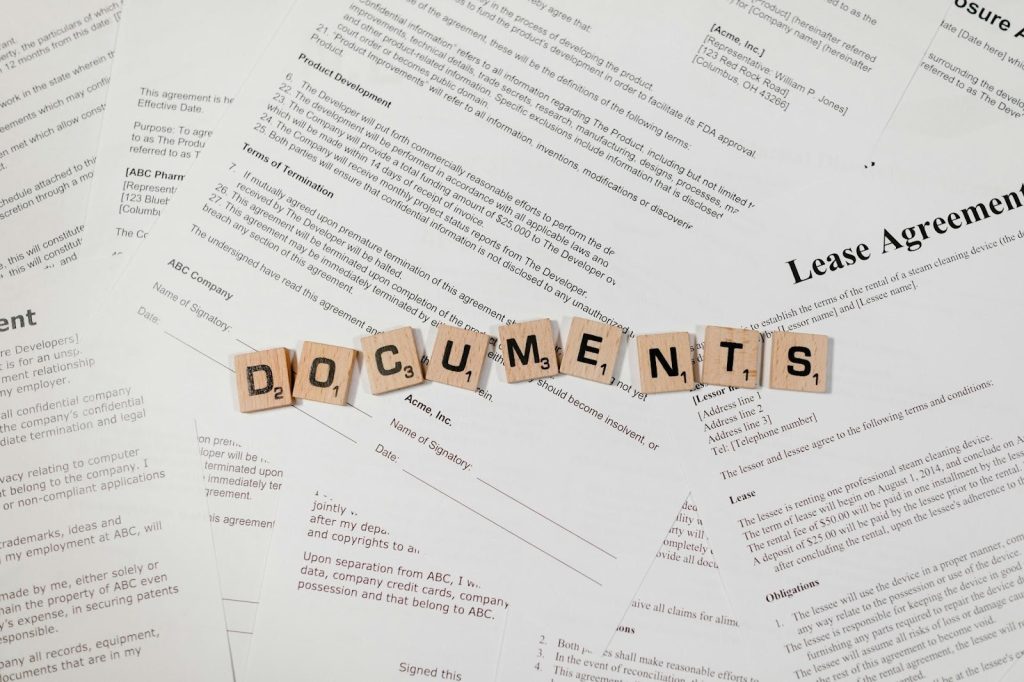
Compliance is the quiet engine behind an owner-operator’s success. When you keep testing current, logs clean, and records tidy, you protect your CDL and your earning power. A few simple routines repeated each week make you audit-ready by default.
You do not need to memorize every rule. You need a repeatable system, a reliable testing partner, and the discipline to update files on time. With that foundation in place, you can focus on the road, serve your shippers well, and grow the business you set out to build.
Go further—explore additional ideas and expert insights now at 2A Magazine.