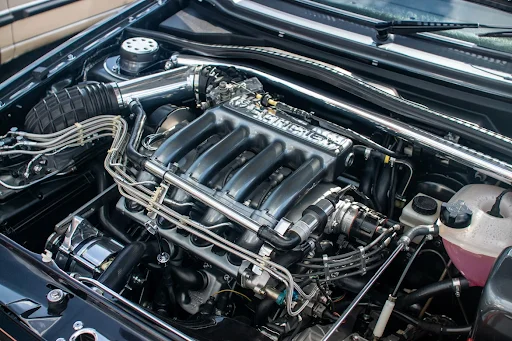
Few repair bills stop a driver cold quite like an engine replacement quote. The numbers are significant regardless of which route you choose – and when a mechanic confirms the motor is beyond saving, the first question most drivers ask is whether a second-hand engine is a viable alternative.
The short answer, in most cases, is yes. But the longer answer involves knowing exactly what you are buying, where to source it, and what to check before it goes anywhere near your vehicle.
The Cost Case for Going Second-Hand
To understand why second-hand engines attract serious interest, the price comparison with new units tells most of the story. A brand-new engine typically starts at around $4,000 for a four-cylinder and can reach $14,000 or more for a complex or performance motor, according to data from experienced mechanics cited by ConsumerAffairs. At dealership labor rates of $150 to $250 per hour – and with engine swaps typically running 10 to 15 hours of work – the total bill for a new-engine replacement can comfortably exceed $10,000.
A used engine purchased from a reputable salvage source can range from $600 to $6,000, depending on the model and condition, with most everyday passenger car units sitting significantly below the top of that range. The savings relative to new can be substantial – and when a vehicle has sentimental value, represents a reliable daily driver, or simply costs far less than the new-car alternative, that difference matters.
Remanufactured engines occupy the middle ground: they have been fully disassembled, machined back to manufacturer tolerances, and reassembled with new internal components. They typically cost around $2,500 to $4,500 and often come with warranties that approach those of new units. For drivers who want more certainty than a straight salvage engine offers but cannot justify new pricing, remanufactured is often the most rational compromise.
The critical variable that shapes the entire calculation is labor. Engine installation is one of the most time-intensive jobs in automotive repair – and because labor costs are the same whether the engine works or not, a used unit that fails shortly after installation means paying twice for the same work. That risk concentrates the entire purchase decision on one question: how well was the engine assessed before it was sold?
The Vehicle Value Test
Before any discussion of engine quality, there is a more fundamental question to settle: is the vehicle worth the investment at all?
A reliable rule of thumb among mechanics is that total repair costs should not exceed the market value of the vehicle. An engine swap on a car worth $4,000 that will cost $5,000 in parts and labor does not make financial sense, regardless of how good the used engine looks. The calculation changes for vehicles with remaining market value, known service history, and components in otherwise good condition – in those cases, a quality second-hand engine can extend a car’s life by many years at a fraction of the cost of replacement.
The average age of vehicles on the road continues to climb – sitting at 12.8 years in the US as of 2026, according to industry data – which means this decision is becoming increasingly common for a growing share of drivers. For those with well-maintained vehicles approaching high mileage, a proven used engine from a compatible donor car is often the most logical path.
What to Check Before You Buy
An engine is not a part where a visible condition tells the full story. Serious internal problems – worn bearings, low compression, sludge buildup, or early head gasket failure – are often invisible from the outside. Buying without verification is a calculated risk; buying with the right checks in place is something closer to a calculated investment.
Verify the mileage and vehicle history. Mileage provides context, but claimed figures need substantiation. Request the donor vehicle’s service records or a history report tied to the vehicle identification number. Inconsistencies between claimed mileage and the wear visible on external components are a warning sign that warrants walking away.
Check the oil condition. Pulling the dipstick reveals more than oil level. Healthy oil is amber to light brown. Dark, thick, or sludgy oil suggests extended intervals between changes and potential internal buildup. Milky or foamy oil is a more serious concern – it points to coolant mixing with oil, which is a classic sign of head gasket failure. Checking under the oil cap for sludge on the cylinder head is equally telling.
Insist on a compression test. A compression test measures how effectively each cylinder seals – and is arguably the single most important check for a used engine. Low or uneven compression readings across cylinders indicate worn piston rings, valve problems, or more serious internal damage. Reputable suppliers will have this test completed and documented before sale; sellers who resist or cannot provide results should be approached with considerable caution.
Look for external leaks and physical damage. A visual scan of the engine block and surrounding surfaces for oil seepage, coolant residue, or cracking gives a baseline picture. A clean exterior is not a guarantee of good internal health – an engine can be detailed to look presentable – but obvious external damage is always a valid reason to decline.
Confirm compatibility with your VIN. The same engine family is often used across multiple model years and variants, but mounting points, manifold configurations, emission equipment, and sensor positions can differ between applications. Cross-referencing the donor engine’s code against your vehicle’s VIN – a service most reputable platforms and sellers will perform – eliminates the costly mistake of receiving a part that cannot be installed.
Evaluate the seller’s warranty. A warranty on a used engine is not just commercial reassurance – it is a signal about how confident the seller is in their own inspection process. Quality suppliers typically offer warranties of 90 days to six months on used units, with some extending further. Sellers offering no warranty, or only a token 30-day window, are indicating something about the level of verification applied before the engine left their inventory.
Where to Source and What Platforms Offer
The expansion of online used parts platforms has changed the sourcing landscape significantly. Rather than being limited to local salvage yards – where inventory is opaque, and inspection standards vary – buyers can now access aggregated listings from verified dealers across wide geographic areas, compare documented mileage and condition, and review seller ratings before committing to a purchase.
Platforms such as OVOKO, which connect buyers with tested used parts from hundreds of verified European dealers, represent the kind of infrastructure that makes the online sourcing of major components like engines genuinely viable. The ability to filter by vehicle specification, check seller history, and review warranty terms in one place reduces the information gap that has historically made second-hand engine purchases feel risky.
The key distinction – whether buying online or from a yard – is between sellers who have genuinely inspected and documented their inventory versus those who have simply pulled a unit and listed it. Compression test results, leak-down test data, and endoscope inspection records are the markers of a professional operation. Their absence is itself useful information.
The Realistic Outcome
A properly maintained used engine with documented low mileage, verified through compression testing and a clean service history, can realistically deliver 100,000 to 150,000 additional miles of service when installed correctly and maintained well. That figure comes from industry practitioners rather than marketing materials, and it holds across a wide range of engine types and vehicle makes.
The risks are real – primarily the labor exposure if a problem emerges post-installation, and the inherent uncertainty of any component with a prior life. But those risks are manageable through informed sourcing, proper verification, and buying from sellers who stand behind their inventory.
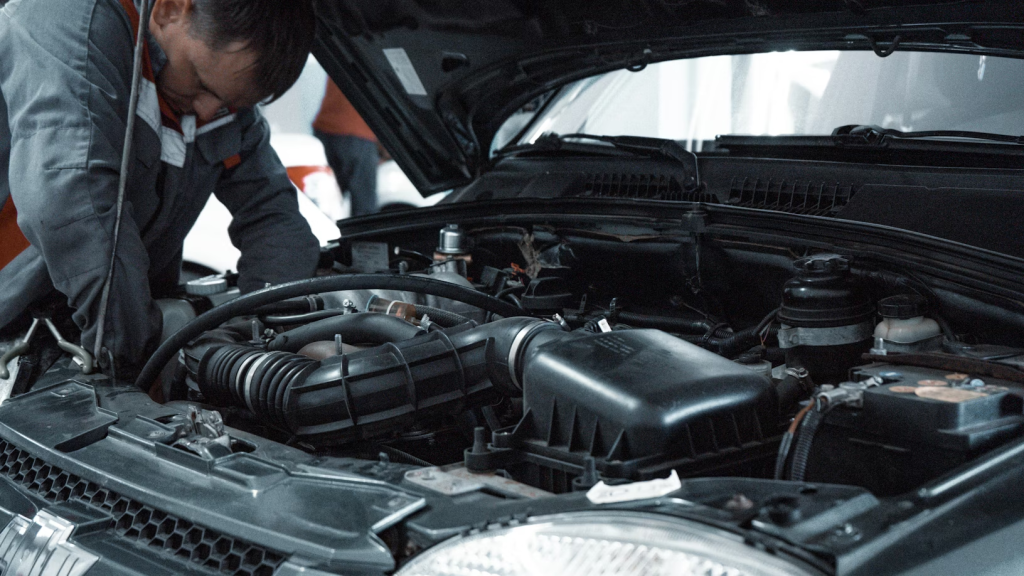
For drivers facing an engine replacement decision in 2026, a second-hand engine is not a gamble by default. It is a considered choice – one that can save thousands of dollars and extend the life of a vehicle that would otherwise be written off. What separates a good outcome from a bad one is almost entirely the quality of the checks made before purchase.
Curious for more? This deep dive pairs perfectly with what you just read at 2A Magazine.