
Dental pain can appear without warning. A cracked tooth, swelling, lost crown, or severe toothache can quickly affect eating, speaking, and sleeping. In these situations, many people start looking for an emergency dentist Toronto clinic to understand the next step.
Urgent dental care focuses on treating pain, protecting teeth, and preventing problems from getting worse. Knowing what counts as a dental emergency helps people act faster and make informed decisions. Common emergency concerns include tooth injuries, infections, broken restorations, and sudden pain.
Top Signs You May Need an Emergency Dentist
Some dental problems can wait for a routine visit. Others need faster attention because symptoms may progress. Severe pain, facial swelling, bleeding, and damaged teeth often require urgent assessment.
An emergency dentist may also help when a filling falls out, a crown breaks, or a tooth becomes loose after an accident. Fast action may support better treatment outcomes and help preserve natural teeth.
Severe Tooth Pain That Does Not Improve
Persistent tooth pain is one of the most common reasons people seek urgent dental care. Pain may result from decay, infection, nerve irritation, or hidden damage inside the tooth.
Pain that increases while eating, drinking, or biting should not be ignored. In some cases, the issue may require treatment such as cleaning, restoration, or further evaluation.
Swelling Around Teeth or Gums
Swelling can signal infection or inflammation. Gum tenderness, facial puffiness, or pressure around the jaw may indicate that the issue is spreading.
If swelling appears with fever or difficulty swallowing, immediate professional assessment becomes more important. Dental infections may worsen when left untreated.
Best Immediate Steps During a Dental Emergency
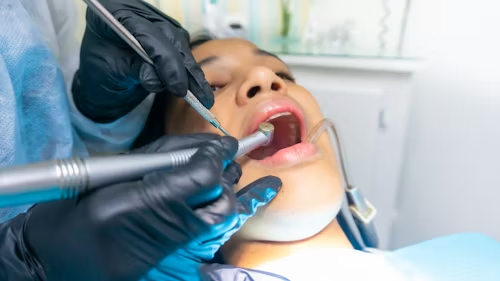
The first few actions after a dental injury can make a difference. People searching for an emergency dentist Toronto clinic often take immediate steps to protect the affected area while arranging care. Staying calm and protecting the injured tooth is often helpful during this stage.
Avoid chewing on the injured side and keep the mouth clean when possible. Small steps taken early may reduce discomfort and help protect the tooth before visiting a dental professional.
What to Do for a Broken Tooth
Rinse the mouth gently with water to remove debris. If pieces of the tooth remain, keep them safely if possible.
Avoid hard foods and pressure on the area. Temporary sensitivity is common after fractures because inner tooth layers may become exposed.
Handling a Knocked Out Tooth
A knocked out tooth requires quick action. Hold the tooth by the crown rather than the root and rinse lightly if needed.
Keeping the tooth moist may help while seeking care. Quick professional attention is often recommended after dental trauma.
Common Treatments an Emergency Dentist May Provide
Emergency visits usually begin with an examination to identify the source of pain or damage. Dental imaging may also help understand the condition.
Treatment depends on the problem. The goal is often to reduce discomfort, protect oral health, and plan any additional care if required. Diagnostic assessment and urgent treatment planning are commonly part of emergency care.
Tooth Repair and Restorations
Broken fillings, chipped teeth, and damaged crowns are frequent emergency concerns. Dentists may restore the area to improve function and comfort.
Repair work also helps protect exposed areas from further damage. Restoring structure can support daily activities like eating and speaking.
Infection Management
Dental infections may require treatment to manage symptoms and address the source. In some situations, deeper treatment may be needed depending on the condition.
Managing infection early can help reduce complications. Patients often seek an emergency dentist when swelling and pain appear together.
Top Dental Emergencies People Often Ignore
Some symptoms seem small at first but become more serious later. Mild pain or sensitivity may develop into larger concerns if ignored.
People sometimes delay care because the pain comes and goes. However, temporary relief does not always mean the problem is gone.
Lost Fillings and Crowns
A missing restoration leaves the tooth less protected. Sensitivity to temperature and pressure may follow.
Seeking care sooner may help avoid additional damage. Temporary discomfort can increase when the exposed area remains untreated.
Jaw Pain After Impact
Sports injuries, falls, or accidents may affect the jaw even without visible damage. Pain while chewing or opening the mouth should be checked.
Soft tissue injuries and hidden fractures can sometimes occur together. Early assessment helps determine the next step.
Best Ways to Reduce Dental Emergencies
While not every emergency can be avoided, preventive habits may lower risk. Daily care and routine dental visits support stronger oral health.
Protective measures are also useful during sports and physical activities. Small habits often help reduce future problems.
Wear Mouth Protection During Activities
Sports related dental injuries are common causes of urgent visits. Protective mouthguards may reduce impact injuries.
This step is useful for adults and children involved in physical activities. Preventive care supports long term dental health.
Do Not Ignore Small Symptoms
Sensitivity, gum irritation, and minor chips may seem harmless initially. However, these issues can develop over time.
Early attention often makes management easier. Monitoring symptoms helps people respond before pain becomes severe.
Choosing an Emergency Dentist Toronto Clinic
When searching for emergency dentist Toronto services, patients often look for clinics that handle urgent conditions and provide clear treatment guidance.
A dental emergency can be stressful. Having access to information and understanding treatment options helps people feel more prepared. Clinics focused on urgent care commonly address pain, broken teeth, swelling, infections, and dental injuries.
Conclusion
Dental emergencies can happen during everyday activities without warning. Quick action and understanding symptoms help people respond more effectively.
Whether dealing with pain, swelling, trauma, or damaged restorations, contacting an emergency dentist may help prevent complications. People searching for an emergency dentist Toronto provider often benefit from learning early signs and treatment options before the situation worsens.
FAQs
What is considered a dental emergency?
Severe pain, swelling, bleeding, broken teeth, infections, and knocked out teeth are common dental emergencies.
Can a broken tooth wait a few days?
Some minor chips may wait briefly, but larger breaks or pain should be assessed sooner.
Should I visit an emergency dentist for swelling?
Yes. Swelling may indicate infection and should not be ignored.
What happens during an emergency dental visit?
The dentist usually examines the issue, checks symptoms, and discusses treatment options.
Can a lost filling become an emergency?
Yes. Lost fillings can expose the tooth and lead to sensitivity or further damage.