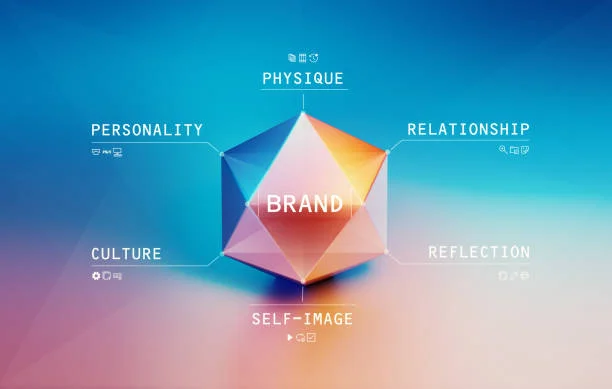
Understanding the Impact of Design on Brand Perception
The visual elements of a brand play a crucial role in shaping how audiences perceive it. Colors, typography, layout, and imagery are more than aesthetic choices—they communicate values, professionalism, and trustworthiness. A cohesive and thoughtfully crafted design can make a brand feel reliable and memorable, while inconsistent or poorly executed visuals may create confusion or a lack of confidence. Every interaction, from a product package to an online presence, contributes to the overall perception, influencing customer decisions and loyalty.
Investing in strategic design decisions, including digital touchpoints like websites, ensures that a brand’s message is clear and engaging. Collaborating with a skilled web design company can help align visuals with the brand’s core identity, enhancing user experience and reinforcing credibility. Ultimately, intelligent design choices act as a bridge between a brand and its audience, shaping impressions that extend far beyond the first glance.
Key Design Elements to Consider
When aiming to elevate a brand through smart design choices, certain key elements can make a significant impact. Color schemes should reflect the brand’s personality while ensuring readability and emotional resonance with the audience. Typography plays a dual role, establishing hierarchy and reinforcing brand identity through the consistent use of fonts and styles. Imagery, whether in the form of photos, illustrations, or icons, should be of high quality and aligned with the brand’s message, creating a cohesive visual narrative. Layout and spacing guide the viewer’s attention, improving clarity and user experience across digital and print platforms. Even small details, like button styles or subtle textures, contribute to a polished and professional appearance. Together, these design elements form a visual language that strengthens brand recognition and fosters lasting connections with customers.
Leveraging AI in Design
Artificial intelligence is transforming the way brands approach design, offering innovative tools that can generate on-brand visuals, layouts, and even copy with remarkable efficiency. By analyzing patterns and audience behavior, AI enables brands to maintain consistency while rapidly iterating creative assets, ensuring that messaging remains both relevant and engaging. Its data-driven insights also allow for hyper-personalized content, meeting the growing expectations of today’s consumers for tailored experiences. Implementing AI solutions not only streamlines workflows and reduces errors but also helps brands adapt quickly as trends evolve. Companies like Avenue 25 demonstrate how integrating advanced technologies into design strategies can enhance both creativity and operational efficiency, showing that intelligent design choices supported by AI are becoming increasingly essential for maintaining a competitive edge and fostering stronger connections with audiences.
Integrating Sustainability into Design
Consumers are demonstrating a growing preference for brands that prioritize sustainability in both their products and practices. Sustainable design encompasses the use of eco-friendly materials, minimalist packaging to minimize waste, and green supply chain practices. Such initiatives don’t just attract conscious consumers—they also reinforce your commitment to environmental and social responsibility, strengthening brand reputation and loyalty over time. Companies leading the sustainability movement are not only shaping their niches but also responding to the global shift in consumer values.
Enhancing User Experience Through Design
An intuitive and visually pleasing user interface (UI) directly correlates with increased engagement and satisfaction. Essential features, such as straightforward navigation, accessible layouts, and mobile responsiveness, help users find what they need efficiently. Integrating AI can further personalize UI experiences by adapting layouts or suggestions to individual user preferences in real-time. Prioritizing user-centric design not only boosts conversion rates but also encourages repeat business.
Building Trust with Visual Consistency
Consistency in branding—across social media, websites, packaging, and advertising—encourages familiarity and builds trust. Uniform visuals, tone, and messaging project reliability and professionalism, reducing skepticism among new visitors. Over time, consistent visuals ensure your brand becomes instantly recognizable, whether a customer encounters an ad, visits your website, or receives a package. This repeatable trust is a key ingredient in long-lasting business relationships.
Conclusion
Smart design choices serve as a catalyst for brand growth in a crowded, fast-evolving marketplace. By focusing on consistent visual storytelling, embracing innovative technologies like AI, integrating sustainability principles, and ensuring intuitive usability, businesses can create a brand identity that is not only visually appealing but also meaningful and memorable. Thoughtful design investments amplify your brand’s value—positioning it for enduring success and deeper customer loyalty.