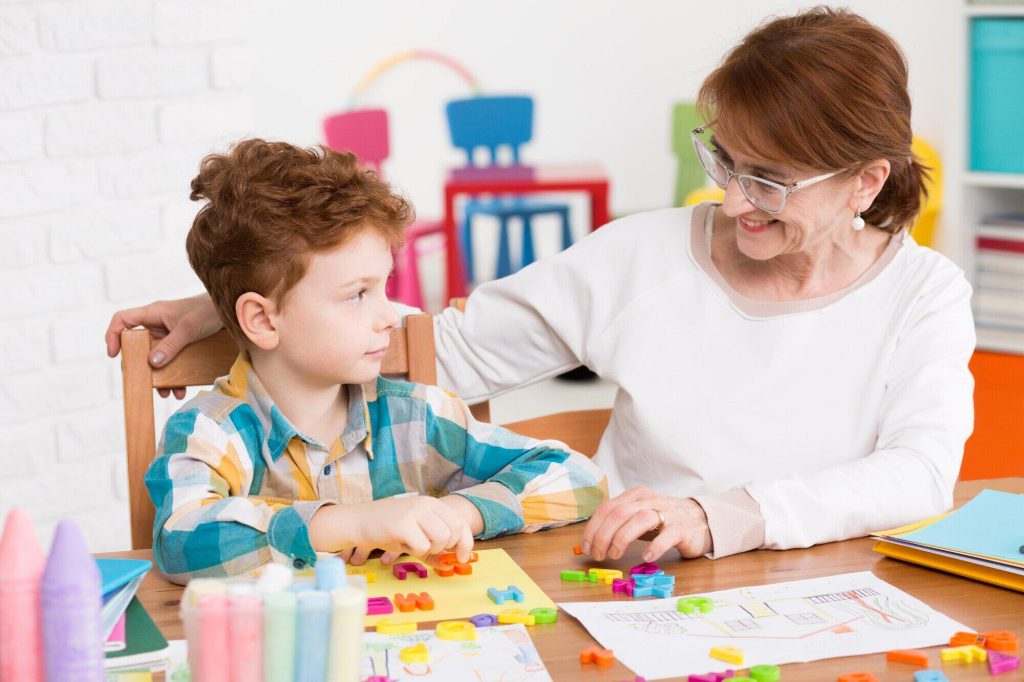
Every child grows and learns in their own way, but some children may need extra help during their early years. What happens when a child has trouble talking, walking, or controlling their feelings? Without proper help, these challenges can affect learning, friendships, and everyday life.
Therapy programs for kids and young children give guidance, practice, and support in a safe and caring place. These programs help children build confidence, learn important skills, and enjoy daily activities. Early support can change a child’s life, giving them tools to do well now and later.
Early Intervention Supports Healthy Growth
Early intervention is very important for children’s growth. Young children’s brains grow very fast, and help early can make a big difference. Therapy programs work on areas like talking, moving, thinking, and behavior.
When children get help early, they usually improve steadily and have fewer problems later. For example, a child with speech delays can practice saying words, listening carefully, and making sounds. Parents learn ways to help at home, too.
Early help also gives children confidence as they see small successes. The mix of professional guidance and parent support gives a strong start for learning and emotional growth.
Therapists watch children closely to see what they need and what they are good at. They plan activities that are fun and easy to do.
Children who get early help often try new things and join group activities more easily. Early intervention gives children a strong base for learning and feeling good about themselves.
Helping Children Build Emotional Awareness
Understanding feelings is very important for children’s growth. Children who know their feelings can handle them better and get along with others.
Therapy programs teach children to notice feelings like happy, sad, angry, or scared. They also learn safe ways to show these feelings.
For example, a therapist may use storybooks, puppets, or acting to show how feelings look and feel. Children practice saying how they feel. Parents also learn how to support these lessons at home, which helps children feel safe and consistent.
As children get better at understanding emotions, they feel less frustration and worry. They learn to solve small problems and ask for help when needed. Emotional skills also help children make friends and have good family relationships. Early emotional support helps children feel safe, understood, and ready for daily life.
Building Confidence Through Skill Development
Confidence is needed for children to try new things and learn. Therapy programs help children build confidence by giving small, doable goals. Each success, even a small one, encourages children to keep going.
Confidence grows as children see they can do tasks and solve problems. For example, a child learning to hold a pencil or tie shoes may first get help, then try alone.
Therapists praise effort and progress, not just the final result. Children start to trust themselves and feel proud. Confidence also helps with social situations.
Children who feel capable join activities, make friends, and try new things. Over time, confidence from therapy programs helps children become more independent, curious, and willing to learn.
Strengthening Resilience in Daily Situations
Resilience is learning to handle problems and bounce back from difficulties and therapy programs teach children ways to build resilience. They practice skills like solving problems, being patient, trying again, and calming themselves. These lessons help children feel ready for challenges.
For example, a therapist may guide a child through a puzzle that is hard at first. The child learns to try different ways and not give up. Parents are taught how to help children practice persistence at home.
Children start to see that mistakes are normal and challenges can be solved. Resilience also helps children stay positive. Children who learn to handle stress early feel more confident in school, with friends, and at home. They have better control of emotions and stronger relationships.
Improving Communication and Social Skills
Communication and social skills are important for children to connect with others. Many therapy programs help with talking, listening, and understanding. Children practice speaking clearly, following directions, and noticing how others feel and these skills lower frustration and help children make friends.
Group sessions let children learn to share, take turns, and work together. Play-based therapy makes learning social skills fun. Programs that include therapy for children often use games, role-playing, and creative activities to improve social skills.
Children gain confidence as they learn to interact and express ideas clearly. Strong social skills also help in learning.
Children who can communicate are better at asking questions, joining class activities, and making friends. Early help in social skills supports friendships, family life, and school success.
Involving Families in the Therapy Process
Family involvement is very important in therapy programs. Parents and caregivers are taught simple ways to support learning at home. Daily activities and games can reinforce what children learn in therapy.
Children feel safe when learning continues at home. Therapists guide parents on exercises for speech, movement, emotions, and social skills. Families learn to celebrate progress and handle challenges in a positive way.
When families and therapists work together, children feel supported and encouraged. Active family participation helps children improve faster and keep progress longer.
Parents feel more confident and understand their child’s needs. Family teamwork strengthens emotional wellbeing, learning, and healthy routines.
Supporting Positive Lifelong Development
Therapy programs help children form habits and skills that last a lifetime. Skills like paying attention, taking care of themselves, solving problems, and controlling feelings are taught early and practiced often. Positive routines give children independence and responsibility.
Children who take part in therapy feel proud of what they can do. They learn how to handle daily tasks, follow rules, and adapt to new situations. These lessons help children do well in school, friendships, and later in life.
Children learn to face challenges confidently and persist despite difficulties. Positive early experiences influence their future behavior, thinking, and emotional control. Early therapy equips children with tools for healthy growth and reaching full potential.
Explore These Therapy Programs for Your Kids Today
Therapy programs for kids and young children do more than give short-term help, they build confidence, resilience, social skills, and emotional health for life. Early intervention lets families and therapists work together to fix problems before they grow bigger. These programs give children tools to manage feelings, communicate, and build good habits.
Children build a foundation for school, friendships, and growth. With care and encouragement, therapy helps children succeed now and later. Early support paves a brighter path for lifelong development.
Liked this article? Check out other blog posts to learn more.