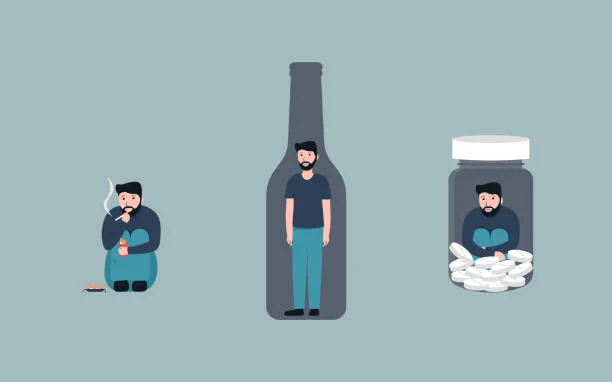
When people think about addiction treatment, the focus is often on therapy, medical care, and clinical expertise. While these are essential components, another factor is increasingly recognized as influential: the environment in which treatment takes place. From the physical setting to available amenities, the treatment environment can shape how individuals engage with care, manage stress, and ultimately progress in recovery.
For those beginning their search, options like drug and alcohol rehab in Orange County often highlight both clinical services and setting, but how much do these factors actually matter?
The Role of Environment in Recovery
Addiction does not develop in isolation. It is often tied to environmental stressors, social influences, and daily routines. Because of this, changing the environment during treatment can play a meaningful role in recovery.
Environmental factors—such as stress levels, exposure to substance use, and social surroundings—can significantly influence both the development of addiction and the ability to recover. Supportive environments, on the other hand, can help reduce triggers and reinforce healthier behaviors.
Stability and Safety
A stable environment is foundational in early recovery. Residential treatment programs provide structured settings where individuals are removed from high-risk situations and can focus entirely on healing.
This stability allows individuals to:
- Establish healthy routines
- Engage consistently in therapy
- Build coping strategies without outside distractions
Without this level of support, many individuals struggle to maintain early progress.
How Amenities Influence the Recovery Experience
Amenities are often misunderstood as purely luxury features, but in many cases, they serve a practical purpose in supporting emotional and psychological well-being.
Reducing Stress and Improving Focus
Recovery requires individuals to confront difficult emotions, past experiences, and behavioral patterns. High-stress environments can make this process more challenging.
Comfortable, well-designed spaces can help reduce anxiety and improve focus, allowing individuals to engage more fully in treatment.
Encouraging Participation
When individuals feel physically comfortable and supported, they are more likely to attend sessions, participate in group therapy, and stay engaged in their recovery plan.
Amenities such as fitness programs, outdoor spaces, or wellness activities can also provide healthy outlets for stress and emotional regulation.
Supporting Whole-Person Healing
Addiction affects more than physical health—it impacts mental, emotional, and social well-being. Environments that support nutrition, movement, and relaxation contribute to a more holistic recovery experience.
The Psychology of Treatment Environments
The design of a treatment setting can influence behavior in subtle but important ways. Lighting, layout, noise levels, and overall atmosphere all affect mood and engagement.
A calm, structured environment can:
- Promote emotional regulation
- Reduce anxiety and overstimulation
- Encourage connection with peers
- Support consistency and routine
These elements may seem secondary, but they can significantly impact how individuals experience treatment day-to-day.
Environment vs. Clinical Care
While environment and amenities matter, they are not a replacement for evidence-based treatment. Clinical quality remains the most important factor in recovery outcomes.
Effective addiction treatment typically includes behavioral therapy, medical support when needed, and ongoing care tailored to the individual. According to the National Institute on Drug Abuse, successful treatment programs often combine multiple approaches to address the complex nature of addiction.
This highlights an important distinction: environment enhances treatment, but it does not replace it.
The Social Environment and Peer Support
Environment is not just physical—it is also social. The people someone interacts with during treatment can play a major role in recovery.
Supportive peer environments can:
- Reduce isolation
- Encourage accountability
- Reinforce positive behaviors
- Build long-term support networks
Connection is a powerful component of recovery, and structured group settings help foster that connection.
A Behavioral Health Marketing Perspective
From a marketing standpoint, environment and amenities are often central to how treatment centers present themselves. However, the messaging around these features matters.
Moving Beyond “Luxury”
While high-end amenities can be appealing, focusing only on luxury can create unrealistic expectations or distract from what truly drives recovery outcomes.
More effective messaging connects environment to real benefits—such as reduced stress, improved engagement, and stronger retention.
Educating Rather Than Selling
Individuals searching for treatment are often overwhelmed. Clear, informative content that explains how environment supports recovery can build trust and help people make informed decisions.
Aligning Experience With Outcomes
The most effective behavioral health marketing strategies highlight both the experience of treatment and the clinical outcomes it supports.
Where Environment Supports Lasting Change
Environment and amenities do play a meaningful role in addiction recovery—but their value lies in how they support the overall treatment process. A stable, well-designed, and supportive setting can reduce stress, improve engagement, and create space for meaningful change.
However, these factors are most effective when combined with high-quality clinical care and a strong continuum of support.
Recovery is not defined by where treatment takes place alone, but by how well that environment helps individuals focus, heal, and build the skills needed for long-term success.