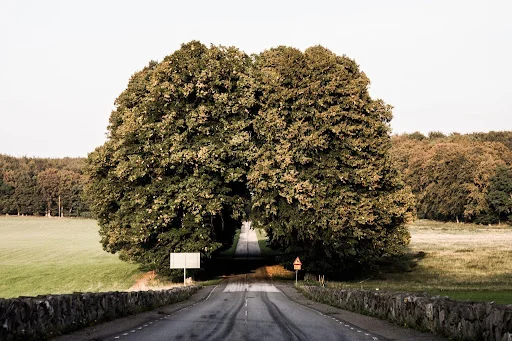
Outdoor design often begins with a vision of space, flow, and comfort. Patios, walkways, and seating areas all play a role in shaping how a yard feels and functions. At the same time, many properties already include mature trees that bring character and shade. Instead of removing these trees, thoughtful planning can help preserve them. In some cases, homeowners and designers explore options like tree moving services to reposition trees so they better fit a new layout.
Understanding the Value of Existing Trees
Mature trees offer benefits that new plantings cannot replace right away. They provide established shade, support local wildlife, and contribute to the overall feel of a property. Their presence can make outdoor spaces feel settled and inviting.
When planning a redesign, it helps to view trees as part of the foundation rather than an obstacle. Their placement, size, and canopy shape can guide how the rest of the space develops.
Planning Around Natural Features
Every outdoor space has its own layout. Trees, slopes, and soil conditions all influence what works best. Instead of forcing a design onto the land, it often helps to adapt the plan to fit existing features.
Walk through the yard and observe how the space is used. Notice where shade falls during the day and how people move through the area. These details can help shape paths, seating areas, and open spaces in a way that feels natural.
Designing with these elements in mind leads to a more balanced and comfortable result.
When Tree Placement Needs to Change
Sometimes a tree may stand in the way of a new addition or create challenges for access and layout. In these situations, relocation can be a practical option.
Moving a tree allows you to keep its benefits while making room for new features. It can also help improve spacing between trees or adjust how shade is distributed across the yard.
This approach supports both design goals and long term landscape health.
Protecting Roots During Design Work
Tree roots extend well beyond the trunk and play a vital role in stability and growth. During construction or landscaping, it is important to protect this area.
Avoid heavy equipment near the base of the tree. Compacted soil can limit airflow and water movement, which affects root health. Marking off a protected zone can help prevent accidental damage.
Healthy roots support strong trees, and protecting them during design work helps preserve that strength.
Balancing Shade and Sunlight
Trees influence how light moves across your outdoor space. Some areas may stay cool and shaded, while others receive full sun.
Use this natural pattern to guide your layout. Place seating areas where shade provides comfort during warm parts of the day. Keep open spaces where sunlight supports other plants or activities.
This balance creates a more usable and enjoyable environment.
Integrating Hardscape Elements
Patios, decks, and pathways bring structure to outdoor spaces. When working around trees, these features should complement the natural setting.
Curved paths can follow the shape of tree canopies. Seating walls can be placed at a distance that protects roots while still offering a connection to the surrounding greenery.
Thoughtful placement allows built elements and natural features to work together without conflict.
Supporting Long Term Tree Health
Design choices should consider how trees will grow over time. Branches may expand, and roots may spread further into the surrounding soil.
Leave enough space for this natural growth. Avoid placing structures too close to the trunk or under heavy branches. This helps reduce the need for future adjustments and keeps the tree in good condition.
Regular care, such as pruning and monitoring, also supports long term health.
Creating a Cohesive Outdoor Experience
A well designed outdoor space feels connected and intentional. Trees can serve as focal points, guide movement, and create a sense of privacy.
By working with existing trees, you can build a space that feels both designed and natural. Each element, from seating to planting, can reflect the character of the landscape.
This approach leads to a yard that feels complete and welcoming.
Thoughtful Design Leads to Lasting Results
Designing with existing trees in mind brings both practical and visual benefits. It allows you to preserve what is already working while shaping the space to meet new needs.
With careful planning and attention to detail, trees can remain a central part of your outdoor environment. They offer continuity, beauty, and comfort over time.
By treating trees as valuable assets, you create a space that grows and evolves while staying rooted in its natural surroundings.