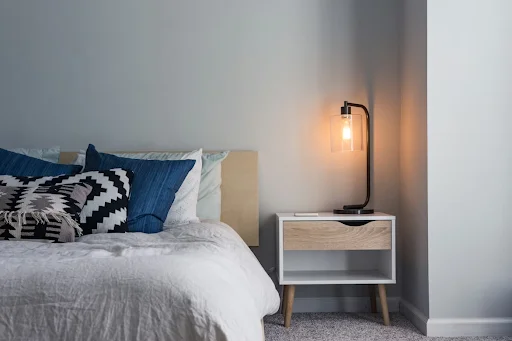
A cozy bedroom starts with a few simple choices made with care. Think natural materials, gentle color, and light that feels calming. With the right textures and a steady, cool climate, your space can help you fall asleep faster and wake up relaxed bedroom atmosphere.
Start with Linen Bedding for Breathable Comfort
Linen is a classic for a reason. The fabric feels airy, has a natural slub texture, and gets softer with every wash. It also helps regulate temperature, so you feel cool in summer and snug in winter. Choose a fitted sheet, a top sheet, and a duvet cover in linen, then mix in a cotton or bamboo blanket for an easy, layered look.
Dive into this related post for fresh perspectives that enhance your understanding today.
Choose the Right Temperature and Humidity
Your room should feel cool and fresh at night. Sleep experts often recommend a bedroom temperature around 65 to 68°F for better rest, which helps your body drift into sleep more easily. Keep humidity in a comfortable mid-range and use breathable bedding so your skin can breathe while you sleep. A simple fan or quiet air purifier can also keep airflow gentle and consistent.
A recent sleep guide noted the ideal sleep environment sits near the mid-60s Fahrenheit, which supports steady, restful sleep through the night bedroom atmosphere.
Blend Linen with Bamboo for All-season Ease
Linen brings an airy texture while bamboo adds silky smoothness. In warmer months, use a bamboo fitted sheet under your linen duvet to boost breathability and reduce night sweats. In cooler months, add a light quilt at the foot of the bed for a soft weight that still lets air move. This is a good place to choose exceptional linens and bamboo bedding or bedroom atmosphere that complement each other – keep tones neutral so you can swap pieces across seasons. Rotate pieces with the seasons to balance wear, maintain softness, and help your bedding last longer.
Set a Calming Palette and Add Texture
Soft neutrals make a bedroom feel quiet and restful. Think warm white, stone, oat, or fog blue. Layer in texture so the room doesn’t feel flat: a chunky knit throw, a washed-linen bed skirt, and a subtly patterned rug. Limit bold colors to small accents like a cushion or a small artwork, so your eyes have a calm place to rest when you turn out the lights.
Light in Layers that Wind You Down
Use three types of lighting to help your brain shift toward sleep. Put soft ambient light on a dimmer for the evening, then add bedside lamps for reading so you are not flooded with brightness. Keep task lighting focused and low glare, and pick warm bulbs near the 2700K range to avoid a harsh, blue tone at night. A fabric shade or milk-glass diffuser helps smooth the light and cut hotspots.
A major home testing roundup reported spending tens of thousands of hours comparing sheet sets since 2022, and bamboo fabrics often stand out for breathable comfort that works well under layered lighting and evening routines.
Style the Bed for Touchable Softness

Make the bed look and feel inviting with simple layers. Start with a breathable fitted sheet, then add a flat sheet or light blanket, a mid-weight duvet, and a throw at the foot. Keep pillows supportive but not stiff. Euro shams add height and softness behind sleeping pillows, and a lumbar cushion can finish the look without adding clutter.
- Choose 2 to 3 pillow types for comfort and shape
- Keep one breathable blanket within reach for temperature swings
- Use a linen or cotton bed skirt to hide storage and soften edges
- Limit decorative pillows so that making the bed stays quick
- Wash sheets weekly and rotate two sets to keep fibers fresh
Add Small Comforts that Make a Big Difference
Sound, scent, and touch can shift your room into rest mode in minutes. A quiet white-noise machine smooths out street sounds, while a drop of lavender or cedar on a cotton pad adds a calm, clean smell. Keep a small carafe and glass on your nightstand so you are not getting up for water, and place a soft tray to corral lip balm, hand cream, and your book.
A cushioned rug by the bed makes early mornings gentler, and blackout curtains or a simple sleep mask help your eyes settle faster. Tuck cords behind furniture and use a cable clip so your nightstand looks clear at a glance. If the air feels dry, a compact humidifier can ease breathing and keep linens feeling soft. Finish with a simple wind-down routine – dim the lights, straighten the coverlet, and set your phone to silent so your mind knows it is time to rest.
End your day by dimming lights, straightening the coverlet, and cooling the room a touch. With a few thoughtful choices in materials, color, and light, your bedroom can feel soft, breathable, and comfortable night after night.
Explore more reads that help you learn quickly, think clearly, and act effectively.