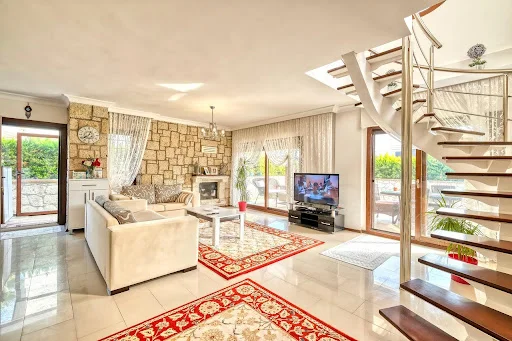
Every individual has a unique lifestyle, which is often reflected in their home design. The ambiance of your home can significantly influence your mood, productivity, and well-being. Curating spaces that resonate with your personal preferences is crucial.
This process involves thoughtful consideration of various elements, such as color schemes, furniture, decor, and functionality. The goal is to create a harmonious environment that embodies who you are and enhances your day-to-day experiences.
Understanding Your Lifestyle
To effectively design your home, it’s important to start by understanding your lifestyle. Each person’s lifestyle encompasses different activities, interests, and daily routines. If you enjoy hosting friends and family, your design will need to accommodate gatherings.
If your lifestyle is more solitary, you may prioritize spaces suited for quiet reflection and relaxation. Take time to assess your habits, preferences, and the feel you want your home to convey.
It can be helpful to create a list of your favorite activities and consider how these influence your living space. This could include whether you prefer an open layout for entertaining, areas for hobbies, or cozy nooks for reading. Recognizing these desires will pave the way for a design that seamlessly blends functionality with style.
Incorporating Personal Style Elements
Your home design should be an extension of your personality. Think about the colors and textures that resonate with you. Do you gravitate toward warm, earthy tones, or do you prefer a more vibrant palette?
Materials play a vital role. Natural wood evokes warmth, while metal and glass provide a modern touch. Your choices can reflect your personal style and preferences. To bring your personal style into your home, consider utilizing smaller decor elements that speak to you, such as artwork, plants, or textiles.
A collection of vintage photographs or local artwork can create a narrative about your journey and taste. Using stylish outdoor rugs can enhance the outdoor spaces, making them feel like an extension of your indoor living area. Rug selections can be both functional and aesthetic, unifying your design theme.
Maximizing Space and Functionality
Designing your home is not solely about aesthetic appeal. It’s about optimizing functionality. This is particularly important in smaller spaces where every square foot counts.
Consider multi-functional furniture pieces that can serve different purposes without sacrificing style. A coffee table with storage can help keep your living area uncluttered while providing surface area for drinks and snacks.
Another space-saving idea is to utilize vertical space. Tall bookshelves and wall-mounted storage can free up precious floor space, helping your home feel more open and organized. Be strategic in placing furniture to create natural pathways and zones for activities, which enhances the flow of your home.
Adding Layers of Texture
Texture can bring life to a home design and make a space feel inviting. Combining various materials, such as wood, textiles, and metal, can add depth to your environment.
Start by considering the flooring, furniture, fabrics, and decorative pillows, which can all contribute diverse textures. Soft cushions paired with harder surfaces create visual and tactile contrast.
Rugs play a substantial role in this layering process. They can anchor furniture groups and add warmth to a room. Think about how the texture of your rugs can complement the design.
A plush rug may bring comfort to a space, while a flat-weave option may offer an elegant and modern feel. Be sure to choose options that align with your lifestyle and consciousness regarding maintenance.
Setting the Ambiance
The role of lighting in home design cannot be overstated. It influences the mood of a space significantly, enhancing both functionality and aesthetics. Consider layering your lighting to create a versatile atmosphere throughout your home.
This can include a mix of ambient, task, and accent lighting. Ambient lighting serves as the illumination, task lighting focuses on specific areas like desks or kitchens, and accent lighting highlights artwork or architectural features.
Natural light plays a role in creating a welcoming home. Be sure to allow as much natural light in as possible, utilizing window treatments that can be easily adjusted. To enhance daylight, use lighter colors in your walls and furnishings, which reflect light rather than absorb it.
Personalization
No home is complete without the personal touches that make it truly yours. Incorporating sentimental items and mementos adds character to your design. These could be travel souvenirs, heirlooms, or handmade crafts. Thoughtfully arranged collections can spark conversations and evoke memories, making your home a living space and a personal gallery.
Keep in mind to change decor seasonally or when you feel inspired. Rotating art or decor can refresh your space without the need for a complete overhaul. The aim is to design a home that tells your unique story through color, texture, and personal elements.