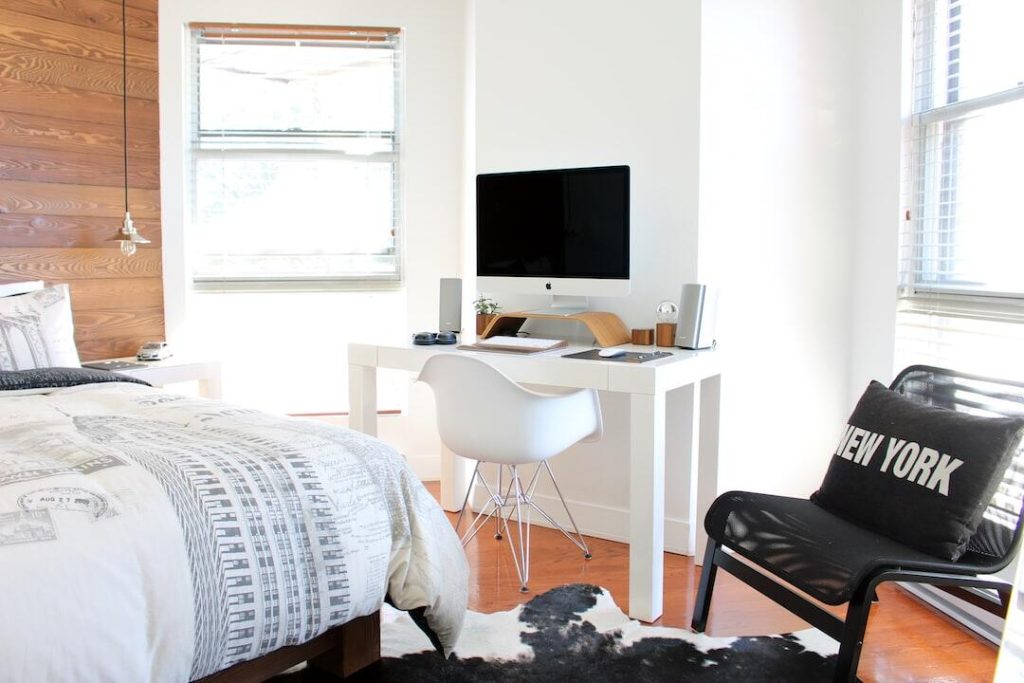
Choosing the right place to live as a student can be a big decision. With options ranging from dorm rooms to apartments and shared units, it might be difficult to know what’s best for your lifestyle.
One important factor to consider is cost. For many students, the student housing they select greatly impacts their college experience.
Understanding Dorm Life
Dorms are often the first choice for many freshmen. Living in a dorm offers a unique college experience. Here, you get to meet new friends, attend events, and enjoy resources like libraries and computer labs. Most dorms are usually located on or very close to campus, which makes getting to classes easy.
Exploring Apartment Living
On the other hand, living in an apartment can provide more independence. Apartments are often cheaper to share with friends or classmates, allowing you to save money.
With apartments, you often have your own kitchen, which means cooking for yourself is an option. This can be a big plus if you enjoy cooking or want more control over your meals.
Another benefit is the potential for private bedrooms, where you can have your space. However, the downside is that apartments may be further away from campus, meaning you might need to rely on public transport or a car to get around.
What About Shared Units?
Shared units fall in between dorms and apartments. You can rent a room in a house or a larger apartment with multiple students. This arrangement can be more budget-friendly compared to renting a full apartment on your own.
In shared units, you may also have more control over rent and utilities. Often, students split these costs, making it easier on the wallet. Though sometimes this can be stressful, it can also teach valuable skills about shared living.
Comparing Costs
When it comes to cost, each type of student housing has its unique price points. Generally, dorm rooms can range from $500 to $1,500 per month.
Apartments, depending on the location, can vary significantly. A shared two-bedroom apartment might cost between $600 and $1,200. In contrast, renting a private bedroom in a shared unit can cost around $400 to $800.
Keep in mind that apartment living or shared units usually require more upfront costs, such as deposits and furniture. Dorms usually cover these costs in the fees you pay at the start of the semester.
Comfort and Lifestyle
Comfort plays a significant role in choosing where to live. Dorms offer a community atmosphere where many enjoy social activities. If you thrive in social settings, dorm living might be fit for you.
For students who value their privacy, renting an apartment or a room in a shared unit often provides more comfort. With private bedrooms, you have more control over your environment without constant interruptions. Selecting a place that feels comfortable is key to having a productive study environment.
Making Your Decision
While considering the different types of student housing, it’s crucial to think about your priorities. Are you seeking social experiences or a quiet study space? Understanding your preferences will help you make a better choice.
Ultimately, each housing option offers its advantages and challenges. Carefully weigh what matters most to you and choose a place that aligns with your lifestyle and budget.
Find Your Ideal Student Housing
In conclusion, whether you opt for dorms, apartments, or shared units, your student housing decision should align with your needs. Enjoy the journey as you navigate your college experience and find a home that feels just right for you!
For more helpful tips, check out the rest of our site today.