Healthy knees support almost every move you make. Walking to the train, playing with kids, climbing stairs, or lifting groceries all rely on joints that bend, straighten, and absorb force without complaint. When pain shows up, even simple tasks feel tiring and frustrating Harm Knee Health.
Many knee problems grow slowly from small daily habits, not only from dramatic injuries on the field. The good news: you can change a lot of those habits with awareness and a few clear strategies. Understanding common mistakes gives you a stronger chance to protect your knees for the long haul.
Ignoring Early Warning Signs From Your Knees
Knees rarely fail without sending signals first. Mild stiffness in the morning, a dull ache after long walks, or a clicking sensation during squats all tell a story. When you push through these signs every day, irritation grows, and tissues lose the chance to recover.
Pain that fades quickly after a strenuous day can feel harmless. Repeated episodes, even mild ones, often point toward a pattern that needs attention. Swelling after routine activity, a sense of instability, or pain that wakes you at night deserve respect, not denial Harm Knee Health.
Writing down when symptoms appear helps you spot triggers. Maybe long drives bother one knee, or certain shoes always leave you sore. Small adjustments made early can prevent larger problems later.
Skipping Professional Guidance And Clear Diagnosis
Many people try to manage knee pain with guesswork. They search online, copy a friend’s exercise routine, or buy random braces without understanding the cause of discomfort.
This approach can hide deeper issues and delay proper treatment. People who consult experts such as Dr Jonathan Negus and other experienced clinicians gain tailored guidance based on a clear assessment, imaging when needed, and a review of activity history. That kind of support helps you learn whether you face tendon irritation, cartilage wear, ligament strain, or something more complex.
A precise diagnosis shapes a focused plan. You might need strength work, movement coaching, temporary activity changes, or targeted medical treatment. When you know what you face, you stop guessing and start acting in ways that truly support healing to Harm Knee Health.
Training Hard Without Building Foundational Strength
Ambitious workouts feel satisfying, yet hard training on a weak base often punishes knees. Long runs on hills, intense jump sessions, or heavy squats place high loads on joints. If hip, glute, and core muscles lack strength, knees absorb more of that shock and drift into poor alignment.
A smart program builds strength gradually. Exercises for glutes, hamstrings, quadriceps, and calves share the load across the entire leg. Single-leg drills, such as controlled step-downs or lunges, reveal imbalances between sides and give you a chance to correct them.
Progression matters. You can extend distance, load, or speed step by step instead of making big jumps in volume. Rest days and lighter weeks give tissues time to adapt. This rhythm keeps training challenging without grinding down your joints at Harm Knee Health.
Moving With Poor Technique In Daily Life
The technique does not only apply to the gym. Everyday movement patterns influence knee health all day long. Collapsing the knees inward during stairs, locking the knees straight when you stand, or twisting on planted feet during quick turns each adds unnecessary strain.
Foot position plays a huge role. Flat arches or very stiff feet change the way force travels through ankles, knees, and hips. Unsupportive shoes, especially when worn for many hours, magnify that effect. Rotated toes during squats, lunges, or even when you get up from a chair alter tracking and create extra friction inside the joint.
Gentle movement coaching can shift these habits. Practicing controlled step-ups, hip hinges, and balanced landings during low-stress drills trains your body to move with better alignment. Those patterns then carry into staircases, sidewalks, and sports without constant thought.
Relying On Short-Term Fixes Instead Of Sustainable Habits
Quick relief feels tempting when pain spikes. Many people reach for painkillers, numbing gels, or tight braces and then carry on as before. These tools have a place, yet they do not replace long-term strategies.
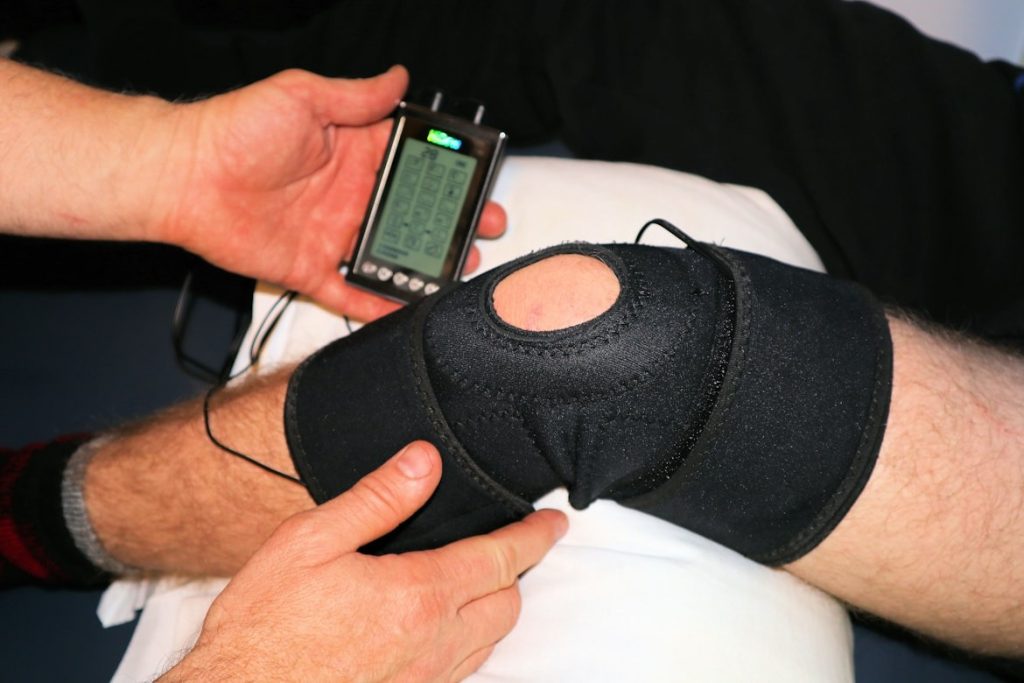
Pain relief without change encourages you to push the joint past a safe limit repeatedly. Strong drugs mask warning signals and invite overuse. Braces worn all day for long periods can reduce muscle engagement, which makes support muscles weaker and knees more vulnerable once you remove the brace.
Neglecting Recovery, Sleep, And Overall Health
Knees do not live in isolation. Joint tissues respond to sleep, nutrition, and general health just as much as they respond to sets and reps. Late nights, high stress, and poor diet reduce your ability to repair microscopic damage from daily movement.
Sleep gives cartilage, tendons, and muscles time to rebuild. Consistent, high-quality rest lowers inflammation levels and improves pain tolerance. A pattern of short nights tends to increase soreness and stiffness, even when training volume stays steady.
When you listen early, seek informed help, strengthen supporting muscles, refine technique, set aside quick fixes, and care for your whole body, you give your knees a far better chance to stay strong. That steady effort pays you back every time you walk, climb, or play without pain stealing the moment.
Catch this featured posts for key ideas and actionable tips that deliver real results.