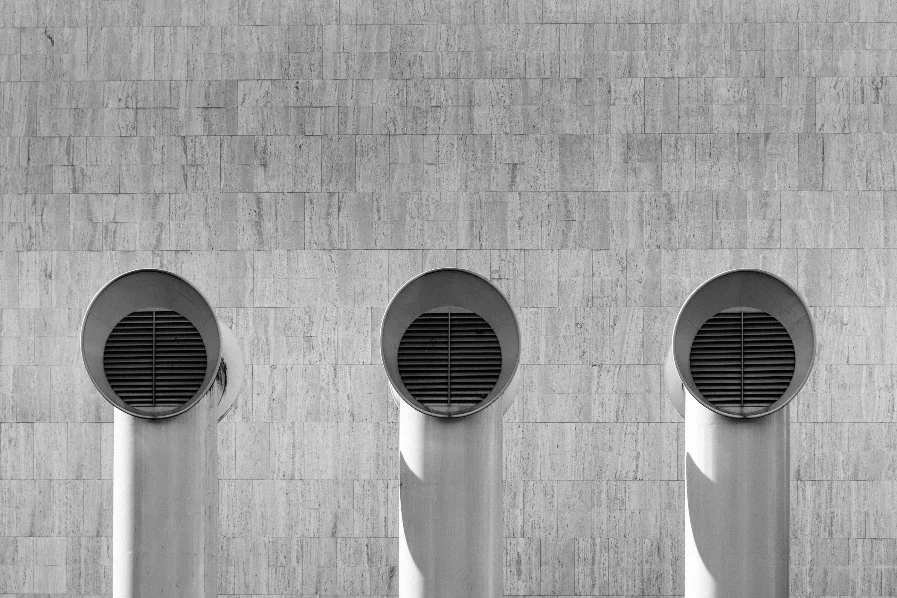
Ever walked into a big office HVAC building and felt that weird mix of freezing air on one side and stuffy heat on the other? Makes no sense, right? One floor feels like winter. Another feels like a broken sauna. And someone, somewhere, is probably getting complaints all day.
That’s the reality of HVAC systems in large commercial buildings. They look powerful from the outside. Huge units. Complex controls. But behind the scenes? It’s a constant battle to keep things balanced, efficient, and just… comfortable.
Here’s where things usually start going sideways.
Uneven Temperatures That Never Seem to Settle
One room is cold enough for a jacket. The next one over? People are fanning themselves with papers.
Why does this happen so often?
Large buildings have long duct systems, multiple zones, and different usage patterns.
- Conference rooms fill up fast.
- Open office spaces stay half empty.
- Sunlight hits one side of the building harder than the other.
All of that throws the system off. Even when thermostats are set “correctly,” the air doesn’t always move the way it should. Dampers get stuck. Sensors stop reading properly. Airflow becomes uneven.
And then the complaints start.
When Basic Fixes Stop Working
At some point, quick fixes stop cutting it.
Filters get changed. Thermostats get reset. Maybe a technician comes in, tweaks a few things, and leaves. It works… for a while. Then the same issues creep back in.
That’s usually the moment when building managers realize something deeper is off.
- Is the system too old?
- Was it designed for a different layout?
- Are parts wearing out quietly in the background?
This is where many companies hire commercial HVAC experts for an assessment. Professionals are needed with the right equipment to take a proper look at the whole system and start repairs.
Because guessing doesn’t help anymore.
Large systems need someone who understands how everything connects. Airflow, load calculations, zoning, controls—it’s all tied together. One small issue in one part can ripple across the building.
And honestly, trying to figure it out alone? That’s exhausting.
Energy Bills That Keep Climbing
The bill comes in. It’s higher than expected. Again.
Nothing major changed. Same building. Same hours. Same usage. So why does it keep going up?
HVAC systems are usually the biggest energy users in commercial buildings. When something isn’t running right, it shows up fast in energy costs.
Maybe the system is working harder than it should. Maybe it’s running longer cycles, or maybe it’s cooling and heating at the same time in different zones.
Yeah, that happens.
Old equipment also plays a role. As systems age, they lose efficiency. They need more energy to do the same job. And if maintenance is inconsistent, things only get worse.
It’s not always obvious at first. The building still “feels” okay. But behind the scenes, the system is burning through energy just to keep up.
And no one notices until the bills stack up.
Maintenance That Gets Delayed Too Often
Maintenance always sounds like a good idea… until things get busy.
Then it gets pushed.
- Next month.
- After this quarter.
- We’ll handle it when something breaks.
And that’s where problems begin. Large HVAC systems need regular care.
- Filters clog.
- Coils collect dust.
- Belts wear out.
- Sensors drift out of calibration.
It doesn’t happen overnight, but it builds up. Skip maintenance long enough, and small issues turn into expensive ones.
The tricky part? Everything can seem fine on the surface. Air is still blowing. Temperatures are “okay.” So it feels safe to wait. But under the hood, the system is struggling, and when it finally breaks, it never happens at a convenient time.
Poor Air Quality That Goes Unnoticed
People start feeling tired. Headaches show up more often. The air feels… off.
But no one can quite explain it.
Indoor air quality is easy to overlook in big buildings. The system is running, so it must be fine, right? Not always.
Dirty filters, clogged ducts, and poor ventilation can all affect air quality. And in large spaces, those issues spread quickly. Sometimes it’s humidity. Too much or too little, and other times it’s stale air that isn’t being replaced often enough.
It’s not dramatic at first—just small discomforts.
But over time, it affects how people feel and work. Productivity drops, complaints increase, and suddenly, it’s not just an HVAC issue anymore—it’s a workplace problem.
Fixing air quality isn’t just about comfort. It’s about health.
Systems That Struggle to Keep Up with Change
Buildings change a lot.
- New tenants move in.
- Office layouts shift.
- Equipment gets added.
- Usage patterns evolve.
But the HVAC system? It often stays the same, and that’s where things start to break down.
A system designed years ago might not match current needs.
Maybe it was built for fewer people, or different types of work, or less heat-generating equipment. Now it’s trying to keep up with demands it was never designed for.
That leads to
- Overworked units,
- Uneven cooling
- Constant adjustments
Retrofitting or upgrading becomes necessary at some point. But figuring out what to change—and how much—isn’t always clear.
It’s easy to hesitate.
- What if it’s too expensive?
- What if it doesn’t fix everything?
Still, ignoring the mismatch only makes things harder over time.
The Ongoing Balancing Act
Managing HVAC in a large commercial building isn’t a one-time fix. It’s ongoing, with constant adjustments, small wins, and occasional setbacks. Some days, everything feels under control, but other days, it feels like chasing problems that won’t stay put.
That’s normal.
The key is not waiting until things fall apart. Paying attention to early signs and taking small issues seriously before they grow. Because once systems start failing at scale, the costs start to increase.
And no one wants to deal with that. Not after a long day, not when things could’ve been handled earlier.