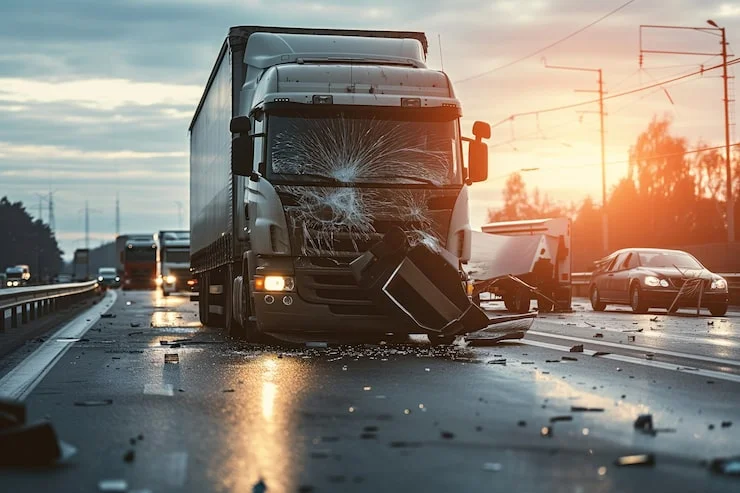
If you have ever driven on a long highway and felt your hands tighten on the steering wheel because a semi-truck was right next to you, you are not alone. Big trucks have a way of making the road feel smaller. They take up space, they move with weight, and when they pass, you feel it in your chest before you even think about it.
In a place like New Mexico, this feeling is even more familiar. The state is wide, with long desert roads, mountain passes, and open highways that seem to run forever. Trucks move through the state every day, carrying fuel, food, equipment, and everything else. You see them rolling through Albuquerque, climbing toward Santa Fe, or heading south near the border. These roads are important, but they can also be unforgiving when something goes wrong.
When crashes happen on roads like these, the consequences are often serious, and many people find themselves unsure where to turn without guidance from a skilled semi-truck accident attorney in New Mexico who understands these roads and the risks they carry.
Common Causes of Semi-Truck Accidents
When it comes to semi-truck accidents, these are the common culprits behind them:
Driver Fatigue and Long Hours on the Road
One of the most common causes of semi-truck accidents is simple exhaustion. Truck drivers work long hours. Many of them drive across multiple states without real rest. There are rules meant to limit driving time, but these rules are not always followed by trucking companies.
Sometimes drivers feel pressure to keep going. Loads must be delivered before the deadline, and stopping feels like falling behind. That pressure does not disappear just because the road is quiet and empty, so the drivers keep going, and then the accidents happen.
Distracted Driving
Distraction is not just about phones, though phones are part of it. Inside a truck, there are dispatch screens, paperwork, radios and food. A driver might look away for a moment, reach for something, or try to adjust a device.
At highway speed, a few seconds without the eyes on the road can mean hundreds of feet traveled without real control. Traffic patterns change fast, especially near cities or construction zones. When attention slips, crashes follow.
Speeding and Following Too Closely
Some trucks move faster than they should, especially on long, open stretches where speed feels harmless. But trucks cannot stop like cars. Following too closely is one of the most dangerous habits a truck driver can have.
When traffic slows suddenly, a truck needs much more distance to stop. Without that space, rear-end crashes happen. These crashes are often severe for the people in front, who never had a chance to react.
Improper Training or Poor Hiring Practices
Not every truck driver has the same level of training. Some drivers are new, and some were rushed through training. Others may not fully understand how to handle heavy loads, sharp turns, or emergency situations.
When companies fail to properly train or monitor drivers, the risk multiplies. Mistakes happen faster when a driver does not fully understand the vehicle they are controlling.
Unsecured or Overloaded Cargo
Cargo matters more than people realize. If a trailer is overloaded or cargo is not secured correctly, it can shift during travel. This changes the balance of the truck and makes it harder to steer or brake.
Shifting cargo can cause rollovers, jackknife accidents, or sudden loss of control. Sometimes cargo spills onto the road, creating danger for everyone nearby.
What to Do After a Semi-Truck Crash
After a truck crash, everything feels loud and slow at the same time. Your body may be shaking. Your thoughts may not line up properly. This is normal.
Call emergency services. Accept medical help, even if injuries do not seem serious right away. Some injuries take time to show themselves.
If you can, stay at the scene. Let law enforcement document what happened. Exchange information, but do not argue or admit fault.
Take photos if it is safe to do so. Vehicles, damage, road conditions, and signs all matter later. And of course, the most important step of all is to contact a lawyer as soon as you’re strong enough to do so. They will take it up from there.
Key Takeaways
- People can get tired or not pay attention, and that can happen even on quiet roads.
- Some things are tricky to notice, like drivers who don’t know what they’re doing, stuff in trucks that isn’t tied down, or car parts that are broken.
- After a crash, the most important thing you have to do is to see a doctor, no matter the extent of the crash, even if you feel okay.