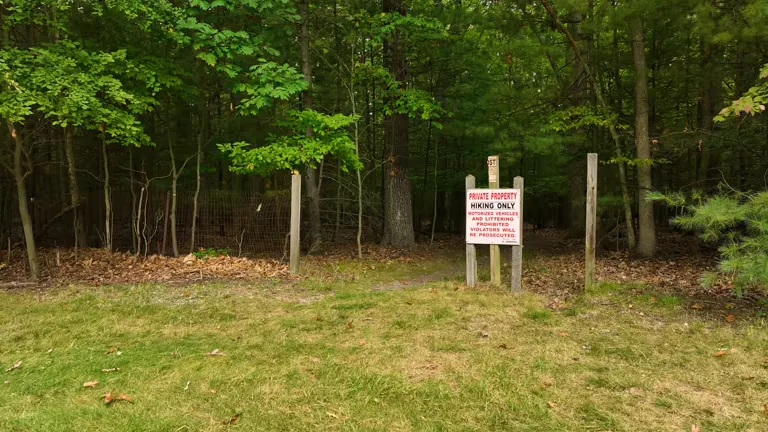
Owning a piece of land is a dream for many hunters. It is the idea of having a place where you call the shots, manage the habitat, and build a legacy. However, there is a massive difference between owning acreage and actually being able to use it effectively. You can have a hundred acres of prime timber, but if the wind is always wrong or you cannot get to your stands without spooking every deer in the county, that land is not doing its job. Truly usable hunting land is about more than just the dirt. It is about the intentional design of the space and how it accommodates both the wildlife and the hunter.
The Foundation of Access and Wind Management
The most important factor in usability is how you enter and exit the property. If you have to walk through the heart of your best bedding area to get to a stand, you have already lost. High-quality hunting land features a perimeter access system. This allows you to move around the edges of the property regardless of which way the wind is blowing.
When you look at a map of a property, you should see clear corridors that stay quiet. Hardwood bottoms and thickets are great for holding game, but you need clean trails that are maintained. If you are constantly snapping twigs or fighting through briars, you are making noise that carries. A usable property has a road system that allows for electric carts or quiet walking, ensuring that your presence remains a secret until the moment you pull the trigger.
Habitat Diversity and Edge Effect
Wildlife thrives on transitions. A property that is nothing but mature pines or nothing but open field is one-dimensional. To make a property truly usable for hunting throughout the entire season, you need diversity. This means having a mix of early successional growth, hard mast producers like oaks, and thick thermal cover for the winter months.
The “edge effect” is where the magic happens. This is the transition zone where two different types of habitat meet. By creating more edges through strategic clearing or planting, you increase the usable hunting spots. Instead of having one giant field, a usable property might have several smaller, hidden food plots tucked into the woods. This creates more “corners” to hunt and keeps the animals moving in predictable patterns that benefit the hunter.
Water Sources and Strategic Placement
We often focus so much on food that we forget about water. A property with a creek is a huge asset, but if the creek is the only water source, the animals might only use one specific area. To make every acre usable, you might need to implement small, man-made water holes in areas that are otherwise dry.
By placing water near bedding areas or along travel corridors, you can influence how game moves across your land. This levels up the usability because it gives you more options for stand placement. When you can predict where an animal will stop for a drink on their way to a food plot, you have gained a significant advantage.
Infrastructure for the Long Haul
While we spend most of our time thinking about the woods, the “home base” area of a hunting property dictates how often you will actually enjoy being there. Usability extends to how you manage your gear and your time. Having a dedicated space to process game, store tractors, and keep your equipment dry is essential.
Many owners find that a traditional shed is not enough. To truly maximize the utility of the site, a structured workspace is needed. A lofted garage provides the perfect solution for this because it offers enough ground floor space for an ATV and a skinning rack, while the upper level can store seasonal gear like decoys, stands, and extra camo. This kind of organization means you spend less time looking for your boots and more time in the woods. When your equipment is organized and protected, the entire hunting experience becomes more fluid and less stressful.
Pressure Management and Sanctuaries
Perhaps the hardest part of making a property usable is knowing when to stay out of it. A property that is overhunted quickly becomes a dead zone. Truly usable land includes a designated sanctuary, a place where no human ever sets foot.
By setting aside 20 to 30 percent of your acreage as a total “no-go” zone, you give the animals a reason to stay on your side of the fence. This might seem like it reduces your huntable space, but it actually increases the quality of the remaining land. When the game feels safe, they move more during daylight hours. A usable property is one where the animals are relaxed, and that only happens when you respect their need for a safe haven.
Mapping the Future
Making a hunting property usable is an ongoing project. It is about observing how the animals react to your changes and being willing to pivot. Maybe a food plot did not grow well, or a certain trail is too exposed. The best properties are those where the owner is an active participant in the ecosystem.
When you combine smart access, habitat diversity, reliable water, and solid infrastructure, you transform a simple piece of land into a high-performance hunting machine. It becomes a place that works with you, rather than a place you are constantly fighting against.