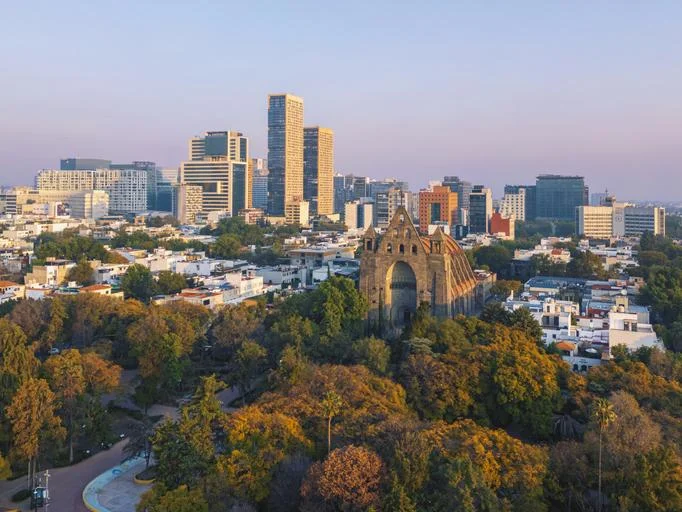
Mexico City offers an incredible experience year-round, but understanding the seasonal patterns can transform your visit from good to unforgettable. The best time to visit Mexico City is between March and May, when pleasant weather combines with vibrant cultural celebrations.
Whether you’re seeking flights to Mexico City for springtime jacaranda blooms or fall’s Day of the Dead festivities, timing your trip strategically ensures you experience the capital at its finest.
Quick seasonal snapshot
- Spring (March–May): most popular; peak jacaranda blooms, warm days (~21–26°C / 70s°F), cool nights; book early for top hotels and restaurants.
- Summer (June–August): rainy season means predictable afternoon showers, greener parks, thinner crowds, and better prices.
- Fall (September–November): clear, comfortable days; Independence Day (Sept 16) and Day of the Dead (late Oct–early Nov) anchor the cultural calendar.
- Winter (December–February): coolest and driest; festive lights and events, lighter tourism in January–February with good deals.
Keep the story going—discover related content that complements your reading.
Mexico city weather by month
Use this at‑a‑glance guide to sync plans with conditions—an easy way to translate Mexico City weather by month into smarter sightseeing:
- March–April: ideal temps; spring festivals; jacarandas at peak—perfect for long park walks and rooftop sunsets.
- May: warmest spring days; occasional early rains late month; still mostly dry.
- June–July: wettest stretch; plan museums/markets for late afternoons; mornings remain good for outdoor sights.
- August: showers continue; low season pricing and fewer lines at blockbuster museums.
- September: patriotic celebrations, lingering rain, mild temperatures.
- October–November: drying trend, clearer skies; Día de Muertos displays and parades citywide.
- December–February: crisp mornings/evenings, sunny days; post‑holiday bargains in January.
Fall: festival season & comfortable weather
Fall delivers some of the most beautiful weather of the year, especially during October and November, with clear skies, comfortable temperatures, and Day of the Dead decorations appearing throughout October.
October: Day of the Dead Preparations
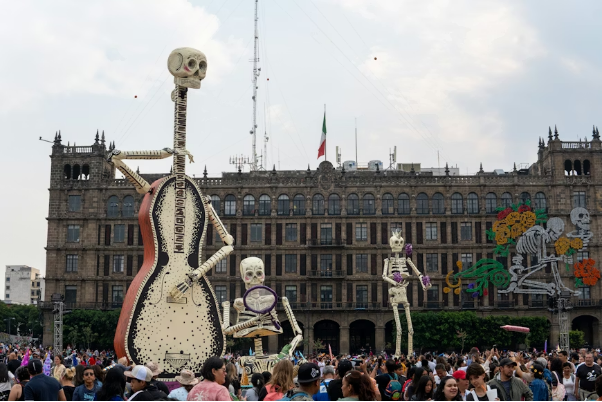
Although Día de los Muertos takes place in early November, the celebration season begins in October, with bakeries and sweet shops selling their versions of calaveras (sugar skulls) and pan de muerto (bread of the dead), while ofrendas (altars to the dead) appear on street corners and in storefronts. The Formula 1 Grand Prix of Mexico City takes place from October 24 to 26.
November: Cultural Celebrations Peak
November ranks among the most festive times of the year, as the capital embraces Day of the Dead celebrations. The combination of perfect weather and Mexico’s most important cultural festival creates an unforgettable atmosphere throughout the city.
Best season in Mexico City: Choosing your ideal time
For great weather and outdoor activities
The months between November and April are widely considered the best time to visit Mexico City, as these months fall within Mexico’s dry season, meaning minimal rainfall. This period offers optimal conditions for exploring archaeological sites like Teotihuacan, strolling through historic neighborhoods, and enjoying rooftop dining experiences.
For cultural immersion and festivals
Spring (March-May) and fall (October-November) offer the richest cultural calendars. Spring features jacaranda blooms, music festivals, and Holy Week celebrations, while fall brings Day of the Dead festivities, Independence Day parades, and international sporting events like the Formula 1 Grand Prix.
For budget-conscious travelers
Summer represents the quietest tourism season, offering the best deals on accommodations and fewer crowds at major attractions. The most budget-friendly time to visit Mexico City is during winter, especially January to February, when the city receives fewer visitors. After New Year’s, you can find discounts of up to 50% compared to peak-season rates.
Practical considerations for your visit
Altitude adjustment
Mexico City sits approximately 7,382 feet above sea level, so prepare yourself for the high elevation by drinking plenty of water, applying sunscreen liberally, and taking it easy during your first few days. The intense sun at this altitude requires extra protection regardless of the season.
Air quality awareness
Mexico City’s air pollution can be significant, so on days when pollution levels are highest, consider wearing a mask and focusing on indoor activities. Air quality improves substantially during the rainy season when afternoon showers clear the atmosphere.
Packing essentials by season
- Dry Season (November-April): Layers for temperature fluctuations, sunscreen, light jacket for evenings, comfortable walking shoes
- Rainy Season (May-October): Waterproof jacket or umbrella, quick-dry clothing, layers for air-conditioned spaces, sunscreen
Frequently Asked Questions
What is the best month to visit Mexico City?
April is widely considered the best month to visit Mexico City, coinciding with peak jacaranda season when purple blooms appear throughout the city. The combination of perfect weather, natural beauty, and cultural events makes it the most desirable month, though October and November offer excellent alternatives with fewer crowds and Day of the Dead celebrations.
When should I avoid visiting Mexico City?
The wettest months are July and August, when afternoon downpours occur almost daily. However, this period offers advantages including lower prices, clearer air quality, and authentic local experiences as fewer international tourists visit during rainy season. If you don’t mind occasional rain, summer can be an excellent time to explore.
How many days should I spend in Mexico City?
Plan at least four to five days to experience the city’s major attractions, neighborhoods, and cultural sites. This allows time for day trips to nearby destinations like Teotihuacan while leaving room to explore different districts at a comfortable pace and fully immerse yourself in the local culture.
Is Mexico City safe for tourists year-round?
Mexico City welcomes millions of visitors annually across all seasons. Standard travel precautions apply regardless of when you visit. Stay in established tourist areas, use registered transportation services, and remain aware of your surroundings, particularly during crowded festival periods.
What cultural events should I plan my trip around?
Major events include the jacaranda bloom (March-May), Day of the Dead celebrations (late October-early November), Vive Latino music festival (March), Formula 1 Grand Prix (October), and various art fairs throughout February. Each offers unique cultural immersion opportunities that showcase Mexico City’s vibrant traditions and contemporary culture.
Making your final decision
The best time to visit Mexico City ultimately depends on your priorities. Weather enthusiasts should target March through May for consistently pleasant conditions and natural beauty. Culture seekers will find October and November irresistible for Day of the Dead festivities. Budget travelers can maximize value during January, February, or the summer rainy season.
Regardless of when you choose to visit, Mexico City’s rich history, vibrant culture, and warm hospitality create memorable experiences throughout the year.
Go deeper into topics you love—explore more and fuel your curiosity today.