Few things develop as rapidly and importantly as a child’s feet. In the early years, those small feet are still forming, with bones, muscles, and structures gradually maturing into their adult shape. The shoes children wear during this critical period can influence how their feet develop, which makes footwear choices more significant than many parents realize. Barefoot shoes for kids are designed with this developmental reality in mind, aiming to support natural growth rather than constrain it. For parents thinking carefully about their children’s wellbeing, understanding this approach is genuinely worthwhile.
Feet that are still forming
A child’s foot is not simply a smaller version of an adult’s. It is a structure in active development, with much of it still soft and gradually hardening over the years of childhood. This means that external influences can shape how the foot grows.
During these formative years, the foot benefits from being able to move and develop naturally. Footwear that allows freedom of movement supports this natural process, while shoes that constrain or over-support the foot may interfere with healthy development. This is the core insight behind barefoot footwear for children.
The case for letting feet move
Watch a young child who has not yet been put in structured shoes, and you will see feet that grip, flex, and explore freely. This natural movement is not just play, it is how the foot develops strength and coordination.
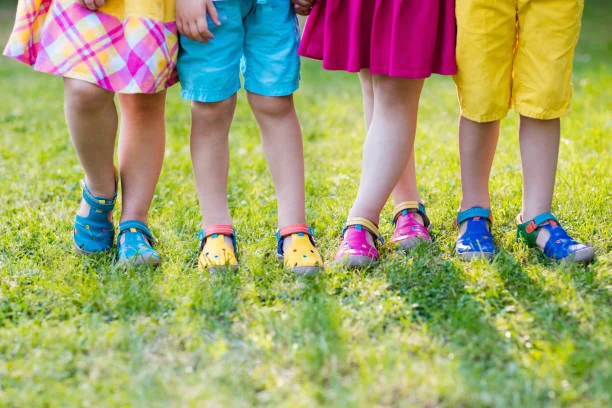
Barefoot shoes aim to preserve this freedom while providing protection. The thin, flexible sole lets the foot bend and feel the ground, while the wide toe box gives the toes room to spread and grow. The goal is to protect little feet from hazards without taking over the developmental work the feet need to do themselves.
Key features for children
The features that define barefoot footwear take on particular importance when it comes to growing feet.
Room to grow and spread
A wide toe box is especially important for children. Young toes need space to spread and develop properly, and shoes that squeeze them can interfere with natural growth. Giving the toes room respects the foot’s developing anatomy.
Flexibility for natural movement
A flexible sole allows the child’s foot to move through its full range, engaging the muscles and joints as they develop. This natural movement supports the building of strength and coordination during these crucial years.
A flat, level base
The zero-drop design keeps the foot level, supporting natural posture as the child grows. This alignment helps the developing body establish healthy patterns of movement and balance.
Supporting development, not replacing it
The fundamental philosophy is that children’s feet are remarkably capable of developing well when given the chance. Rather than providing heavy support that the foot then relies upon, barefoot footwear lets the foot do its own developmental work.
This approach trusts the natural process of growth while providing the protection children need in a world of hard floors and rough surfaces. It is a balance between safeguarding little feet and allowing them the freedom to become strong and well-formed.
What parents should keep in mind
For parents considering barefoot shoes for their children, a few thoughtful considerations help. Fit is always important, ensuring there is room for growth without the shoe being so large it impedes movement. Children grow quickly, so regular checking of fit matters.
It also helps to let children move and play freely as much as circumstances allow, since natural activity is what feet need to develop well. Barefoot footwear supports this, but the activity itself is what drives healthy development. Observing how a child moves and responds can guide parents in their choices.
A thoughtful choice for growing feet
Choosing footwear for a child is one of many decisions parents make in support of healthy development. The barefoot approach offers a perspective grounded in respect for how children’s feet are designed to grow.
By allowing natural movement, providing room for the toes, and supporting proper alignment, this footwear aims to give growing feet the best foundation. For parents who want to make informed choices, learning about how feet develop and how footwear affects them is time well spent. In the end, the goal is simple and shared by every caring parent, to give children every opportunity to grow up strong, healthy, and free to move as nature intended.