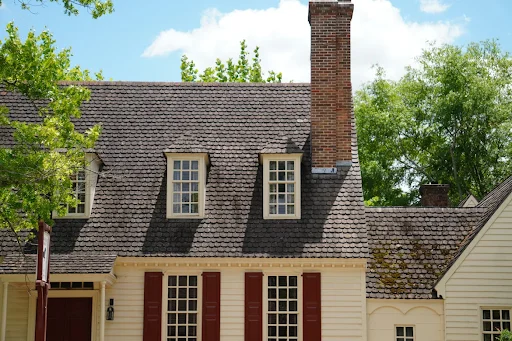
A new roof is a major decision or Roof Decisions, and small missteps can turn into big bills. Many issues start with assumptions, like picking the lowest bid without checking what it covers or choosing a material that does not fit the attic conditions.
Start With The Real Problem, Not The Symptom
A ceiling stain looks like a roofing problem, though the cause may sit far from the shingle line. A quick attic check can reveal dark wood, wet insulation, or daylight at a seam. Those clues change the repair plan and the product choice.
A roof can fail from water getting in, and it can fail from water vapor getting trapped. Condensation can mimic a leak and damage the decking from the inside. A solid diagnosis starts with photos and notes from more than 1 area.
Match The Contractor To The Job
Roof work ranges from a small flashing repair to a full tear-off with decking changes. The right crew for a patch may not be the right crew for a complex replacement with multiple penetrations.
Homeowners often narrow choices by reputation and availability, then compare Lenox roofing contractors against written scopes, licensing, and workmanship terms. Clear paperwork turns a friendly conversation into a plan that can be checked line by line.
That structure reduces confusion when weather shifts the schedule or when a hidden issue appears after the tear-off.
Change orders should be written, with prices agreed before work starts. That step keeps the job fair when rotten decking or hidden flashing damage shows up.
Bid reviews work best when the bids describe the same roof, not 3 different versions of it. If one estimate skips disposal, underlayment type, or flashing details, the price looks better than it really is. A comparable scope makes the decision less about guessing and more about fit.
Know What Codes And Permits Will Touch
Roof decisions sit inside a rulebook that changes by city and by the kind of work planned. Replacing the covering may trigger a permit, an inspection, or a limit on how many layers can stay in place. Planning can still stall if paperwork starts late.
A design-build compliance overview explained that replacement roof regulations can govern permits, inspections, and code compliance when an owner replaces or recovers an existing roofing system.
That matters for scheduling, since inspection timing can control when the next phase can start. It can affect cost as well, since a permit fee or a required upgrade can shift the total.
Budget For The Parts People Do Not See
The roof surface gets attention, though the hidden layers often decide how forgiving the system will be. Underlayment, flashing, and deck repairs rarely look exciting, though they can prevent the callback after the first hard rain.
A 2025 budgeting guide from a construction group noted that underlayment acts as a barrier against water and helps protect a home from leaks.
Material choice matters here, since felt, synthetic sheets, and peel-and-stick membranes behave differently around nails and valleys. This line item can make the difference between a roof that handles wind-driven rain and a roof that struggles at its first weak spot.
When reading an estimate, it helps to spot the “quiet” items that move the total:
- Tear-off and disposal details
- Decking replacement allowances
- Underlayment type and coverage areas
- Flashing at chimneys, walls, and valleys
- Vent components and ridge cap system
- Permit fees and inspection coordination
Many leaks show up at transitions, not in the middle of a field of shingles. Valleys, wall lines, and pipe boots are small pieces with a big impact. A budget that protects these details can lower risk more than a small upgrade in shingle grade.
Watch Ventilation And Air Sealing
Roof decisions connect to the attic and the living space below. Warm air can carry water vapor into a cold attic, then drip when temperatures swing. In summer, trapped heat can bake shingles and make rooms harder to cool.
Ventilation works best when intake and exhaust form a balanced system. Intake blocked by insulation can leave a ridge vent working with little fresh air. Air sealing at ceiling penetrations can cut the water vapor load that enters the attic.
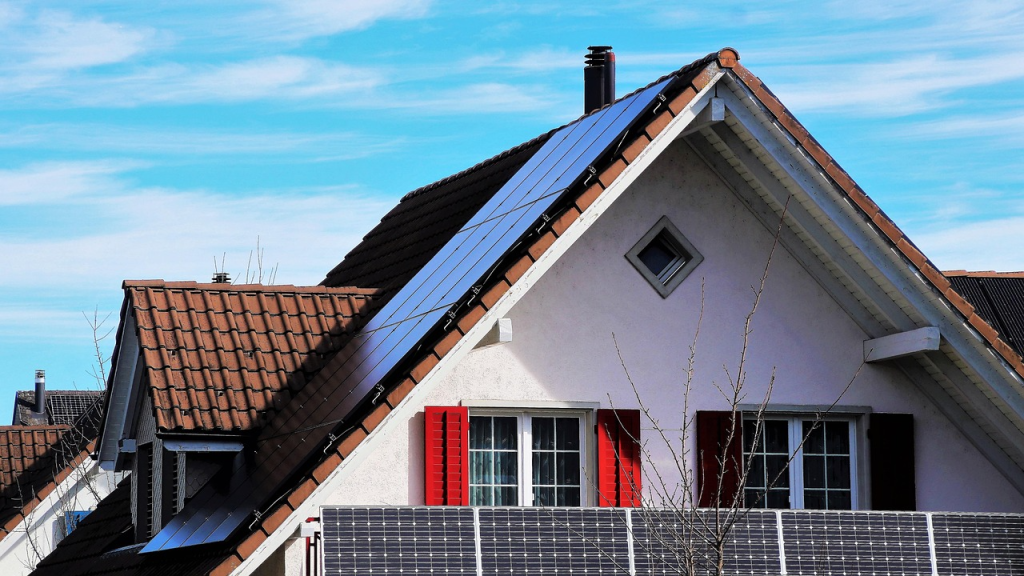
Think About Heat And Energy Before Picking Color
Material and color choices change how hot the roof runs on a sunny day. Dark surfaces absorb more heat, which can raise attic temperatures and push cooling systems harder. More reflective options can lower surface temperatures, which helps comfort in top-floor rooms.
The U.S. Environmental Protection Agency reports that solar reflectance from cool roofs can reduce peak cooling demand by about 11% to 27%.
Results will vary by climate, insulation level, and duct placement, though the main idea stays simple. A cooler roof often means less burst cooling during the hottest hours.
A roof decisions is a chain of small calls that add up. Good outcomes come from a clear diagnosis, a scope that matches the job, and attention to the layers under the surface. With the right prep, the roof becomes a quiet system that does its work without surprises.
Discover the post everyone is talking about—featured for its unique perspective at 2A Magazine.