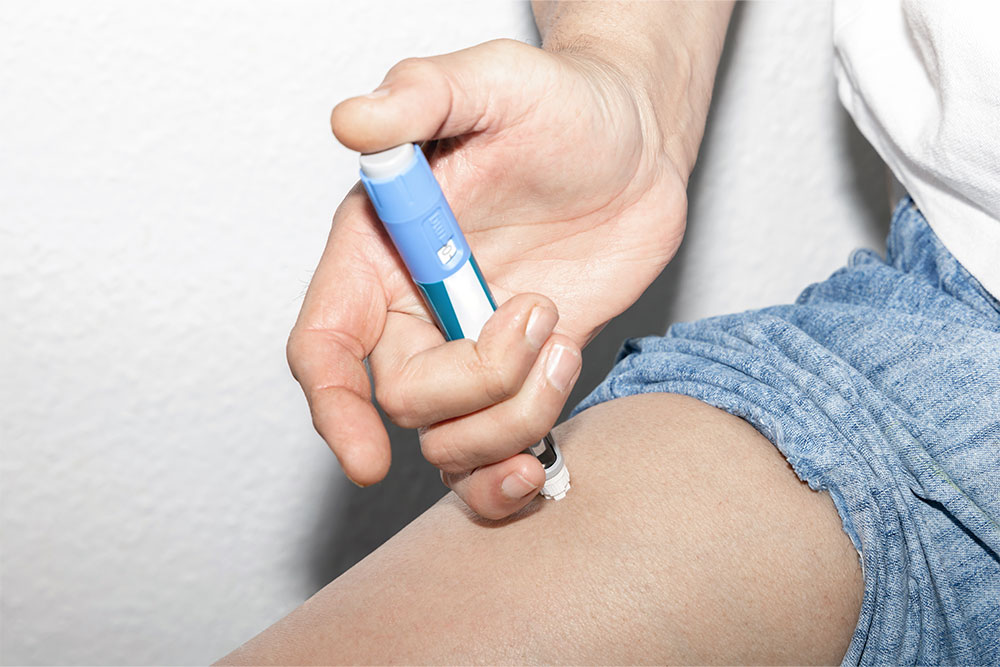
Obesity continues to be one of the most complex and widespread health challenges worldwide, prompting healthcare providers and researchers to explore new approaches to long-term weight management. While traditional strategies such as dietary changes, increased physical activity, and behavioral therapy remain essential, they do not work equally well for everyone. As a result, interest has grown around medical tools that may help support these foundational efforts.
In recent years, weight loss injections have emerged as a topic of discussion within the broader obesity care landscape. These therapies are often incorporated into medically supervised programs that emphasize a comprehensive, individualized approach such as pairing compounded GLP-1 injections with nutrition coaching, diagnostic lab testing and personalized dosing to better align treatment with a patient’s unique metabolic needs and lifestyle factors. For some individuals, compounded GLP-1 injections, when used under appropriate clinical guidance, are viewed as one possible component of a broader weight management plan rather than a standalone solution.
How Weight Loss Injections Work
Many modern weight loss injections are based on compounds that interact with the body’s appetite-regulating systems. These therapies are designed to influence signals related to hunger, fullness, and food intake, helping some individuals feel satisfied with smaller portions or experience reduced appetite between meals. As outlined in a recent News Medical overview of who may benefit from weight-loss injections and who should avoid them, these treatments are not intended for everyone. They are most effective when prescribed to appropriate candidates following a thorough medical evaluation.
By supporting appetite awareness and satiety, these injections may help patients adhere more consistently to nutrition plans recommended by healthcare professionals. Importantly, they are generally introduced alongside lifestyle guidance rather than used as standalone solutions. Ongoing medical supervision plays a critical role in determining appropriate dosing, monitoring individual response, and adjusting treatment as needed to ensure both safety and long-term effectiveness.
Research Insights and Medical Interest
The medical community’s interest in appetite-regulating therapies reflects a broader understanding of obesity as a complex, chronic condition influenced by biology, environment, and behavior. Research into hormonal pathways related to hunger and metabolism has helped inform new strategies for supporting weight management, particularly for individuals who have struggled with repeated weight regain.
While controlled studies provide valuable insights into how these pathways function, real-world use can look very different. Outcomes may vary based on factors such as adherence, lifestyle changes, clinical oversight, and individual health profiles. As a result, healthcare professionals often emphasize cautious optimism and ongoing evaluation rather than guaranteed outcomes.
Real-World Considerations
Outside of research settings, the effectiveness of any weight management approach depends heavily on consistency, access to care, and ongoing support. Individuals using weight-loss injections may encounter challenges, including treatment interruptions, lifestyle disruptions, and difficulty maintaining new habits over time.
This variability highlights the importance of comprehensive care. Programs that include regular follow-ups, nutrition guidance, and behavioral support are often better positioned to help individuals navigate obstacles and adjust their approach as needed. Weight loss injections, when considered, are typically framed as one tool among many rather than a definitive solution.
Accessibility and Cost
Cost and access remain significant considerations for the use of weight-loss injections. Without insurance coverage, expenses can add up quickly, placing these therapies out of reach for many individuals. Compounded options are sometimes explored as alternatives, but they still require careful evaluation and medical oversight.
Healthcare providers and policymakers continue to discuss ways to improve affordability and expand access to obesity care. These conversations increasingly recognize obesity as a chronic health condition that benefits from long-term management rather than short-term interventions.
Impact on Lifestyle and Diet
One of the most frequently discussed aspects of weight loss injections is their potential impact on daily habits. Some individuals report changes in appetite awareness that make it easier to follow structured eating plans or reduce impulsive food choices. This can support greater engagement with nutrition counseling and other lifestyle-focused strategies.
When paired with education and professional guidance, these changes may help individuals develop a more balanced relationship with food. However, long-term success still depends on sustainable habits, including mindful eating, physical activity, and stress management.
Potential Side Effects
As with any medically guided therapy, weight loss injections may be associated with side effects. Commonly discussed concerns include gastrointestinal discomfort, such as nausea or digestive changes, particularly during the early stages of use. These effects are often closely monitored and addressed with dose adjustments or supportive care.
While less common, more serious risks underscore the importance of medical evaluation before starting treatment. Individuals considering weight loss injections should engage in thorough discussions with qualified healthcare professionals to review potential risks, benefits, and alternatives based on their personal health history.
Weight loss injections are contributing to an evolving conversation about how obesity is treated and understood. Rather than serving as quick fixes, they are increasingly positioned as supportive tools within broader, medically supervised care plans that emphasize lifestyle change, education, and long-term health.
As research continues and care models evolve, thoughtful integration and patient-centered decision-making will remain essential. When approached with caution, transparency, and professional guidance, weight-loss injections may play a role in expanding options for individuals navigating the challenges of obesity management.
For other topics, check our blog. We do have more!