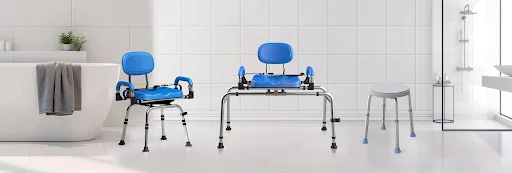
Aging is an ordinary thing in life, a process, which offers wisdom, purposeful activities and closer relations with the surrounding world. However, it also adds new thought processes into the day to day living and this is particularly when it comes to home safety. The bathroom always happens to be one of the most dangerous rooms in the house of older adults bathroom modifications. Slip floors, lack of mobility, balance and rushed movements can easily make a simple shower a dangerous process.
Since increasing numbers of seniors are willing to age in their own residence, being independent and safe is now an issue of concern not only to the elderly themselves, but also to their families and care providers. Fortunately, even minimal modifications such as grab bars and non-slip mats and supportive seating can make a bathroom a safer and more comfortable place to be.
This paper discusses the need to improve the safety of elderly individuals with shower assistance, the practical applications of enhancing the safety of the bathroom, and how adaptive equipment like a WHLICKS shower chair for elderly users can help elderly individuals enhance their self-care without jeopardizing dignity and comfort.
The Reality of Bathroom Risks for Aging Adults
Although all people are at risk of slips and falls, the elderly are affected by them on a much higher scale. Based on health and aging statistics of different national surveys:
- Approximately every fourth adult aged above 65 years falls on an annual basis.
- One of the three most common places where falls take place is the bathroom.
- The majority of injuries that occur in the bathroom are in the process of bathing and showering.
- The injuries can be to the hip, head or spine- other areas which are particularly weak in the older adults.
The age-related changes in muscle strength, balance, and joint flexibility may complicate the simple acts such as turning, bending, or stepping over a wet area. These daily motions are dangerous when water, steam, and slipper tiles are added bathroom modifications.
Bathroom incidents may also affect emotional well-being in addition to the physical damage. The fall may cause a person anxiety, fear of bathing or fear of being alone- slowly diminishing independence and confidence of the person.
Dive into this related post for useful insights that support better, faster decisions.
Why Aging in Place Requires Thoughtful Bathroom Adaptation
The concept of aging in place implies that one ought to spend as long as he or she can in their own residence, ensuring comfort, safety and autonomy. This way of life may be familiar, may provide a sense of community, and may be emotionally comfortable to most seniors. The home environment however should change according to the changing requirements.
Modifications in the bathroom are very crucial in facilitating this lifestyle. An accessible bathroom can be used to assist seniors:
- Ensure that there is safety in daily hygiene.
- Less dependence on the caregivers.
- Avoid injuries in the bathrooms.
- Favour the long-term autonomy.
- Be more confident and self-reliant.
It is possible to minimize the risk of accidents even by small additions like the rightly positioned handrail. However, a supportive shower chair that is made to accommodate elderly people is one of the most useful shower aids, particularly to individuals with balance issues, arthritis, or low stamina bathroom modifications.
The Role of Shower Chairs in Senior Safety
Shower chairs are easy to use but very efficient devices that support a stable surface in the process of bathing. They are useful to the elderly who can have:
- Fatigue while standing
- Difficulty balancing
- Joint pain from arthritis
- Dizziness from medications
- Post-operative/illness weakness.
Rather than hastening to get out of the shower before becoming fatigued, elderly people can comfortably sit down, they do not strain their joints, and they can shower at their own pace. A chair also reduces the chance of falling as it reduces the movement on the wet surface.
The newer shower chairs including the WHLICKS shower chair designed to be used by the elderly have frequently been made with adjustable legs, supportive backrests, non-slip rubber feet, and comfortable sitting positions. The features are useful in increasing the stability and enabling people to take a bath confidently even in small bathrooms.
It is not about medical equipment, it is about how to make the seniors feel dignified and independent in a vital day-to-day activity.
Key Benefits of Using Shower Support Tools
1. Reduced Risk of Slips and Falls
The most common cause of accidents is slippery floors in the bathrooms. With a shower chair, the time spent standing on wet floors by the seniors is reduced to a large extent.
2. Greater Comfort for Individuals With Mobility Challenges
Uncomfortable conditions such as arthritis, neuropathy, or chronic pain, can cause one to find prolonged standing uncomfortable. Sitting is comfortable and enables less rapid movement that is more controlled.
3. Increased Independence
Bathing is one of the first practices that are assumed by the care giver to many older adults. Through the appropriate support equipment, seniors will be able to maintain this individual routine and allow them to take care of their hygiene.
4. Emotional Confidence & Peace of Mind
The awareness of having a solid seat eliminates stress and helps to take regular baths without being afraid.
5. Support After Illness or Surgery
Shower chairs are particularly helpful when one is recovering- post joint replacement, stroke, cardiac issues, or extended hospitalization.
Additional Ways to Improve Bathroom Safety for Seniors
A shower chair is not the only element of a safe bathroom. To make it a truly supportive environment, it is possible to combine it with other useful modifications:
Non-Slip Mats or Flooring
Mats that are rubberized or have the texture minimize the chances of slipping, particularly around the shower entrance.
Grab Bars
Firm handrails at the entrance points of the toilet, shower and bath areas are installed to offer stability in transit.
Handheld Showerheads
These can be washed with ease when one is sitting, which reduces unnecessary movement.
Raised Toilet Seats
These assist the elderly with knee or hip pains as they do not require much energy to sit or stand.
Bright, Glare-Free Lighting
Proper lighting eliminates trips and enables the elderly with vision impairments to move around.
Decluttered Spaces
Cluttering the floor and counters reduces the chances of tripping.
Supporting Mental and Emotional Well‑Being Through Safe Bathing
Bathing is not just a washing-up exercise, it is a time of relaxation, solitude and self-grooming. To the elderly, having limited control over this ritual means:
- Self-esteem
- Emotional stability
- Mental clarity
- Daily routine consistency
Safety factors that interrupt the bathing behavior may have far-reaching consequences on the whole way of life of a person. They can even shower less frequently, depend more on others or be shy to request help.
Equipment such as a well-selected shower chair such as the assistive WHLICKS shower chair used in the elderly homes will help intersect physical deficiencies and individual autonomy. They provide an environment that is easy and predictable and pushes the seniors to routinely practice self-care.
Aging in Place is About Dignity, Not Limitations
Aging in place is not just about remaining at the house, but living safely and comfortably in the environments one knows well. One of the small investments is bathroom modifications, particularly shower support tools, which will have a long-term impact on quality of life.
Families can assist the elderly in enjoying: by managing the most frequent threats at an early stage and selecting assistance aids that suit the needs of a person.
- Safer bathing experiences
- Increased belief in everyday life.
- Greater autonomy
- Calmness of the senior and his or her carers.
The selected shower chair is another significant feature of this process as it helps older adults remain independent and not to lose their health.
Final Thoughts
Each home is unique and each elderly will have different needs but one thing that can be universal is the need to make the bathroom environment safe and thereby healthier and happier aging. It can be installing non-slip flooring, grab bars or just making the elderly users comfortable with choosing the stable and comfortable version such as the WHLICKS shower chair, even the basic activities of life can be made easier and safer with a few little changes.
An aging person should be able to enjoy the process and that is why the support should be there, not only physically but emotionally as well. Considerable modifications in the bathroom make seniors more empowered to stay independent, remain active, and have several years living comfortably at their homes.
Unlock more articles packed with insight, clarity, and actionable guidance at 2A Magazine.