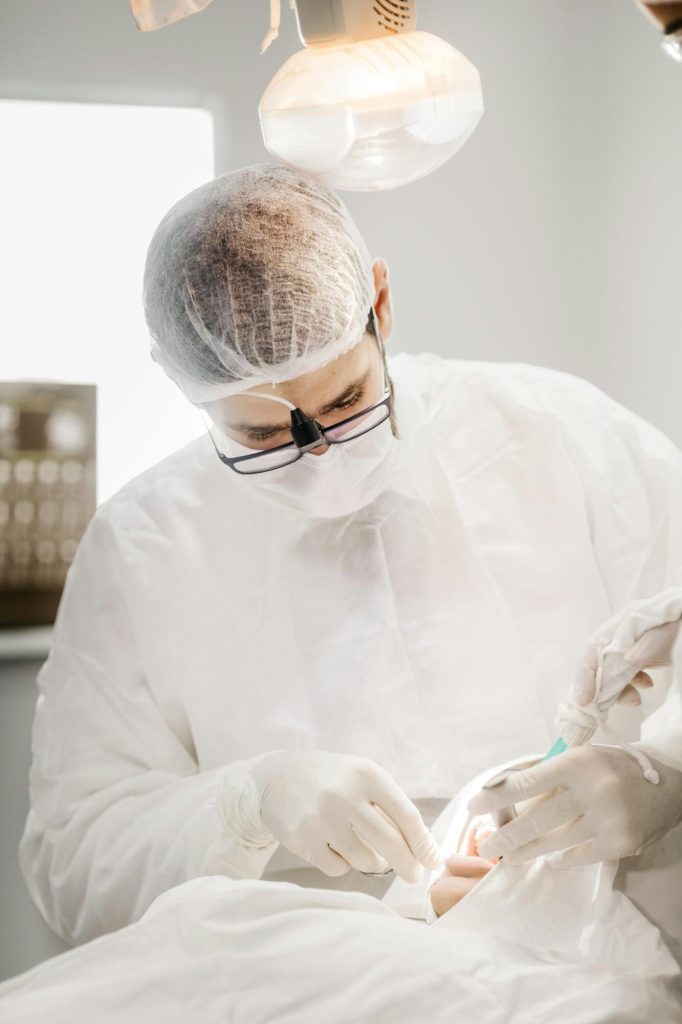
Tooth loss is more common than many people realize. Whether caused by gum disease, decay, trauma, or age, losing most or all of your teeth affects more than just your smile. It impacts how you eat, how you speak, and even how you feel about yourself.
Traditional dentures have long been the go-to solution, but many patients struggle with the discomfort, looseness, and functional limitations that often come with them. This is where the All-on-4 Full Arch Implant Method has transformed modern dentistry.
This guide breaks down the All-on-4 approach in simple terms-how it works, who it’s for, what to expect, and why it’s become a preferred method for full mouth restoration. Read on.
What Is the All-on-4 Full Arch Implant Method?
The All-on-4 technique replaces an entire upper or lower arch of teeth using four strategically placed dental implants. Instead of inserting a separate implant for each missing tooth (which could require 8-10 or more implants per arch), the All-on-4 system uses:
Two implants were placed vertically in the front of the jaw, where bone density is strongest. Two implants were placed at an angle in the back, maximizing contact with available bone.
A customized full-arch prosthesis-essentially a new set of teeth-attaches to these four implants. Once healed, these prosthetic teeth look, feel, and function like natural teeth.
The angled placement technique is what makes All-on-4 unique. By tilting the posterior implants, dentists can avoid areas of low bone density and often eliminate the need for bone grafting, which is a major advantage for patients who have worn dentures for years or have experienced jawbone shrinkage.
Why Many Patients Choose All-on-4
All-on-4 has grown increasingly popular because it offers several advantages over traditional dentures and full-mouth implants. Some of the most noteworthy benefits include:
Fixed, Secure Teeth That Don’t Shift
Unlike removable dentures, All-on-4 teeth are screwed into the implants, meaning they stay in place while eating, talking, and smiling. There is no slipping, clicking, or relying on denture adhesives.
Faster Treatment With “Teeth in a Day”
One of the biggest selling points is the ability to attach a temporary set of teeth on the same day as implant placement. Patients leave the clinic with a complete smile instead of waiting months for healing before getting teeth.
Requires Less Bone Than Traditional Implants
Because of the angled back implants, All-on-4 makes use of available bone, often avoiding extensive bone grafting procedures.
Lower Cost Compared to Individual Implants
Instead of needing 8-10 implants per arch, patients need only four. This dramatically reduces surgical time, complexity, and overall cost.
Natural Appearance and Comfortable Feel
The prosthetic teeth are custom-designed to match the patient’s facial structure, giving a natural and youthful appearance. They don’t cover the palate like some dentures, improving speech and taste.
Long-Term Durability
With proper care, implants can last decades. The prosthetic arch is strong, stable, and capable of handling normal chewing forces.
Who Is a Good Candidate for All-on-4?
The All-on-4 method works well for a wide range of patients, but the ideal candidate typically meets one or more of these criteria:
Missing most or all teeth in one or both arches. Wearing dentures but unhappy with their fit or comfort. Having significant tooth decay or gum disease requires extensive extractions.
Wanting a fixed, long-term solution instead of removable dentures. Having some degree of jawbone loss but wanting to avoid bone grafting.
Even patients who have been told they are “not a good candidate for implants” due to bone loss might qualify for All-on-4, thanks to the unique angled implant placement technique.
A thorough dental evaluation, including X-rays and 3D imaging, will help the dentist determine if the All-on-4 approach is the best treatment option.
What Happens During the All-on-4 Procedure?
The All-on-4 journey typically involves several steps, but the process is surprisingly efficient compared to traditional implant dentistry. Here’s what you can expect:
Consultation and Planning
The first step is a detailed consultation where the dentist examines your mouth, discusses your goals, and evaluates your bone structure using imaging technology. This helps determine whether you are a suitable candidate and what type of prosthetic teeth will be designed.
Treatment planning includes:
- Digital scans
- 3D jaw modeling
- Impression or digital impressions
- Designing the new teeth
This phase ensures precision and aesthetics for the final result. Make sure to choose the best dentist to get the most out of the all-on-4 dental implant procedure.
Tooth Extraction (if needed)
If you still have remaining teeth that are failing or unsalvageable, they will be removed during the same appointment as implant placement. This avoids multiple surgeries and speeds up treatment.
Implant Placement
During this stage, two implants are positioned vertically in the front of the jaw, where the bone is typically strongest. The other two implants are placed at a 30-45° angle in the back to maximize stability and contact with the available bone. This strategic placement ensures a solid foundation for the temporary and final prosthetic teeth.
Attachment of the Temporary Denture
Most patients receive a temporary fixed prosthesis on the same day. This is often referred to as “teeth in a day.” This temporary set is strong enough for normal daily use but not for extremely hard foods.
Healing and Osseointegration
Over the next three to six months, the implants fuse with the bone through a natural process called osseointegration. During this time, you’ll need to follow dietary guidelines to protect the implants.
Placement of the Final Prosthesis
After the implants fully integrate, your dentist will replace the temporary teeth with a long-term, highly durable prosthesis. This final set is custom-crafted for optimal:
- Fit
- Comfort
- Appearance
- Function
The finished result feels like having your natural teeth back.
Do All-on-4 Implants Hurt?
While any surgical procedure comes with some discomfort, most patients report that the All-on-4 process is much easier than expected. Dentists use local anesthesia and can offer sedation for those with anxiety. After surgery, mild swelling, soreness, and bruising are normal but manageable with prescribed or over-the-counter pain medication.
Within a few days, most patients resume normal daily activities.
Taking Care of Your All-on-4 Teeth
Although the prosthetic teeth do not decay like natural teeth, you still need to maintain excellent oral hygiene to ensure the implants last.
Here’s what proper care includes:
Daily brushing with a soft-bristle brush. Using a water flosser or special tools designed for implants. Regular dental checkups (every 6 months).
Avoiding very hard or sticky foods, especially during the healing period. Professional cleanings to remove plaque around the implant areas. Caring for All-on-4 implants is similar to caring for natural teeth, and good habits greatly extend their lifespan.
How Long Do All-on-4 Implants Last?
With proper maintenance, implants can last 20 years or more-many last a lifetime.
The prosthetic teeth typically last 10-15 years before needing replacement due to normal wear. Factors affecting longevity include overall health, oral hygiene, smoking, and regular dental care.
How Does All-on-4 Compare to Other Tooth Replacement Options?
Here’s a quick comparison between All-on-4, traditional dentures, and individual implants:
All-on-4
All-on-4 provides a fixed, non-removable set of teeth. It relies on four implants to support a full arch. The method often allows patients to receive same-day teeth. It typically avoids the need for bone grafting. The final result looks and feels very natural.
Traditional Dentures
Traditional dentures are removable. They can sometimes slip or feel unstable during eating or speaking. They usually require adhesives to stay in place. Upper dentures cover the palate, which can affect taste and speech. Dentures do not stop ongoing bone loss in the jaw.
Individual Implants
Individual implants replace teeth one by one and offer the most natural alternative to real teeth. A full arch may require eight to ten implants. This approach is generally more expensive. It usually involves a longer treatment process.
For patients who need a full arch replacement, All-on-4 often provides the best balance of cost, convenience, durability, and aesthetics.
Cost Considerations
All-on-4 is an investment, but for many patients, it offers far greater value compared to other treatments. Pricing varies depending on:
- Country or region
- Materials used for the prosthesis
- Dentist or clinic expertise
- Whether sedation is used
- Whether extractions are required
While exact costs depend on your location, All-on-4 typically costs significantly less than replacing each missing tooth with individual implants.
Is All-on-4 Worth It?
For patients seeking a stable, long-lasting, and natural-looking replacement for an entire arch of teeth, All-on-4 is often considered one of the most life-changing dental treatments available. It restores confidence, function, and comfort-often in just one day-without the inconveniences associated with dentures.
The combination of fewer implants, immediate results, high success rates, and long-term reliability makes All-on-4 a widely recommended choice for full arch restoration.
Invest in Your Smile Today
The All-on-4 Full Arch Implant Method has transformed the lives of countless individuals who struggled with missing teeth or uncomfortable dentures. By offering a fast, predictable, and highly effective way to restore a full set of teeth, it has become a cornerstone of modern implant dentistry. If you’re considering a permanent solution that restores both function and aesthetics, All-on-4 may be the right choice.
If you want to read more articles, visit our blog.