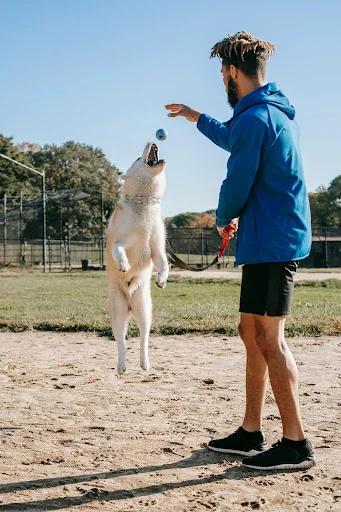
Life with a dog feels much calmer when you both understand each other. Clear communication turns daily routines from a tug of war into a partnership. Training then becomes less about control and more about building habits that make life easier for everyone in the home for training your dog.
Stress-free training does not mean an instant, perfect dog. It means you pick methods that protect your dog’s confidence, respect their pace, and keep your own frustration in check. With the right approach, even energetic or sensitive dogs can learn solid manners without fear or tension. Below you will find practical ideas that focus on connection, clarity, and kindness.
Check this related post for tips and guidance that help you achieve better results.
Understand How Dogs Learn
Dogs repeat what works for them. If a behavior leads to something pleasant, they keep trying it. If a behavior never pays off, it slowly fades. Training uses this simple pattern in a structured way.
Think in small skills instead of big labels. Instead of saying “I want a well-behaved dog,” break that into clear actions such as “sit when guests arrive,” “walk with a loose leash,” or “settle on a mat during dinner.” Each action needs its own practice plan.
Pay attention to your dog’s body language as you work. Ears back, yawning, lip licking, or turning away from you can signal confusion or stress. When you see these signs, you can slow the pace, shorten the task, or give a short break.
Set Up Stress-Free Training Environments
Your dog learns best when distractions stay low and the environment feels safe. Start new skills in quiet spaces such as a living room, hallway, or fenced yard before you take them to busy parks or sidewalks. Calm surroundings help your dog focus and give you a better chance to reward at the right moments.
Practice in different locations once your dog understands the basics. Some families draw on local support, such as obedience classes in Dallas, to practice in neutral locations and get guidance from trainers. That variety teaches your dog that a cue like “sit” or “stay” means the same thing at home, in class, and out on walks.
Set your dog up for success by managing triggers. If your dog reacts strongly to other dogs or loud noises, start at a distance where they can stay relaxed. Gradually move closer only when they show loose body language and respond well to cues.
Use Positive Reinforcement With Clear Criteria
Rewards give your dog strong reasons to repeat good choices. Food treats, toys, praise, and quick games all count as rewards if your dog enjoys them. You can mix these options to keep training fun and interesting.
Stay clear about what you want. Rather than rewarding “being good,” decide that you will pay for a specific behavior, such as four paws on the floor, eye contact, or a quiet sit. The clearer your criteria, the faster your dog understands which actions open the door to rewards.
Mark the exact moment your dog gets it right. Many trainers use a short word, such as “yes” or a clicker sound to highlight the winning behavior. That marker helps your dog connect the action to the reward, even if a second passes before you deliver the treat.
Build Daily Routines And Short Sessions
Training works best as a daily habit, not a rare event. Short, frequent sessions keep your dog engaged and reduce the chance of boredom or frustration. Five minutes of focused practice two or three times per day can bring more progress than a single long session each weekend.
Tie training to existing routines. Ask for a sit before meals, a short wait at the door before walks, or a simple hand target before throwing a toy. These tiny repetitions spread through the day and make manners feel like part of normal life rather than a special drill.
Handling Frustration For You And Your Dog
Training touches emotions for both sides. You might feel embarrassed by pulling on walks or barking at visitors, while your dog may feel confused when the rules suddenly change. A stress-free approach acknowledges these feelings and gives you tools to handle them.
Set realistic expectations. Young dogs, rescue dogs, or breeds with strong working instincts need time and patience. Progress may arrive in waves: some days feel easy, others feel messy. A small step forward, such as one calmer greeting, still counts as real progress.
Socialization And Real-World Practice
A dog that behaves well only in the living room still needs more training. Socialization and real-world practice teach your dog how to handle sights, sounds, and smells that fill daily life. Early, positive exposure during puppyhood helps, yet adult dogs can still learn with careful planning.
Start with low-intensity versions of real-world challenges. Visit a quiet side street before a busy road, a small park before a crowded festival, or a calm friend’s dog before large group play. Reward relaxed behavior, curiosity, and any calm focus on you.
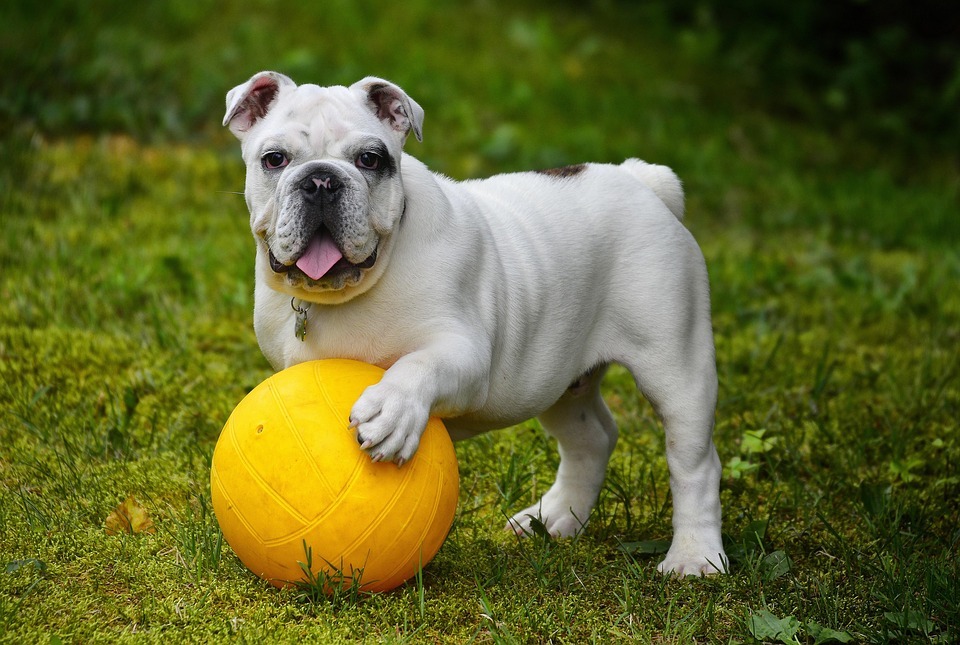
Training your dog without stress grows from gentle structure, clear communication, and patience. You break big goals into small skills, reward good choices, and respect your dog’s pace while you guide them toward better habits.
With this mindset, every walk, meal, and play session becomes a chance to strengthen your bond. Your dog learns that listening to you leads to comfort and fun, and you gain a companion who moves through the world with more confidence and ease.
Dive deeper—explore more content designed to elevate your skills and spark ideas.