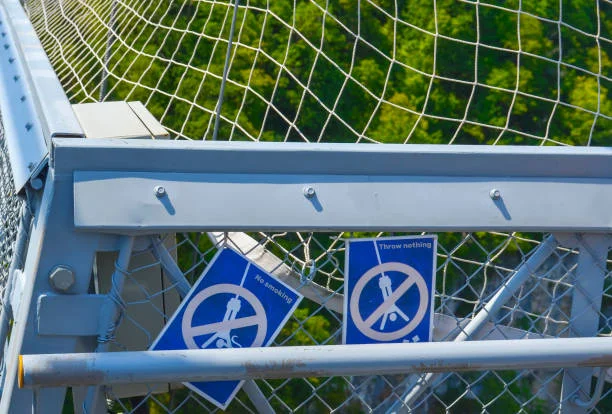
Introduction to Safety Netting
Safety netting is an integral part of workplace safety in various industries, including construction, sports, warehousing, and logistics. These nets are specifically designed to minimize injuries by arresting falls or containing falling debris, which can pose a threat to both workers and bystanders. Selecting high-quality netting, such as that offered by a reputable safety netting manufacturer, is crucial for achieving optimal protection and compliance with safety regulations.
The choice of both material and mesh size has a dramatic impact on net performance. Not all netting solutions are created equal, and making the right selection is not just a matter of preference—it’s a regulatory and safety requirement across many high-risk sectors.
Ensuring the correct installation and regular inspection of your safety netting system can be a crucial factor in preventing occupational accidents. As the construction and industrial sectors continue to innovate, so do the materials and mesh configurations available, leading to higher standards of safety.
Understanding these advancements—including the proper use and certification of products—enables better decision-making on site, reduces liability, and enhances protection for everyone present.
Common Materials Used in Safety Netting
The effectiveness of a safety netting system begins with the material. The most commonly used materials include high-density polyethylene (HDPE), polypropylene, and nylon:
- HDPE: Valued for its resistance to water, chemicals, and UV rays, HDPE nets can withstand prolonged exposure outdoors without significant degradation. Their durability makes them suitable for construction and sporting environments.
- Polypropylene Is Known for its remarkable tensile strength and shock absorption, outperforming many alternatives in situations involving repeated or severe impacts, such as shipping yards and industrial plants.
- Nylon: Recognized for flexibility and abrasion resistance, nylon nets are ideal where stretch and energy dissipation are crucial—especially in dynamic and high-movement settings such as rescue operations and trapeze netting.
The chosen material should align with project-specific risks—whether it’s high wind exposure, temperature extremes, or repeated impacts. Durability and reliability are as important as the initial installation, making regular maintenance a must.
Understanding Mesh Sizes and Their Applications
The mesh size of netting refers to the size of the gaps between its strands. This specification directly determines the net’s application and effectiveness. Properly matched mesh sizes maximize safety by containing debris and preventing falls:
- 8-10 mm: Fine meshes are typically used for “no-climb” barriers or debris containment, preventing even small objects from passing through. These are common around scaffolding and work platforms.
- 15-20 mm: Medium mesh sizes are ideal for impact absorption, commonly found in sports facilities and high-traffic work sites.
- 25-30 mm: Suited to lightweight needs such as golf netting or aviary barriers for small bird control.
- 35-50 mm: Larger mesh for general sports applications and heavy-duty ball stop netting, where larger debris and balls are anticipated.
- 60-120 mm: Used in areas needing to halt larger objects or birds, such as baseball backstops or commercial aviaries.
Selecting the appropriate mesh size is not optional when it comes to regulatory compliance—using an unfit mesh can lead to catastrophic failure, as demonstrated in real-world safety incidents and studies published by industry watchdogs.
Regulatory Standards and Compliance
Adherence to regulatory standards is essential for safety netting—especially when it comes to construction safety nets—but not always straightforward. In the U.S., requirements from the Occupational Safety and Health Administration (OSHA) include a maximum mesh opening of 6 inches and a minimum breaking strength of 5,000 pounds for personnel safety nets. These stipulations ensure construction safety nets can arrest falls from significant heights and resist the forces generated in real-life accident scenarios.
Projects outside of the U.S. should consult with local authorities or equivalent organizations to verify compliance with construction safety net regulations. Regulations often evolve in response to new research and industry trends.
Factors to Consider When Selecting Safety Netting
Selecting the ideal safety net involves accounting for several critical factors beyond just mesh size and material. Key considerations include:
- Environmental Conditions: Exposure to sun, wind, and precipitation can degrade certain materials. UV-resistant or weatherproof netting is vital for outdoor installations.
- Load Requirements: The net must be rated for the maximum estimated impact force, whether from falling workers, tools, or construction materials.
- Installation and Maintenance: Improper installation can render even the best net ineffective. Scheduling regular inspections and maintenance is crucial to sustaining long-term safety and reliability.
Real-Life Applications and Case Studies
The importance of selecting the right material and mesh cannot be overstated. For instance, a notable incident in Singapore in which a worker fell due to an oversized mesh opening underscored the danger of neglecting regulatory guidelines. The net failed to provide the intended fall arrest, demonstrating that even minor oversights can have major safety implications.
Lessons from such cases have prompted companies worldwide to invest in high-quality products that undergo rigorous third-party testing, ensuring both the material composition and mesh dimensions meet or exceed relevant industry standards.
Final Thoughts
Effective safety netting is the result of smart material choices, precise mesh size calculations, and rigorous adherence to regulatory codes. Investing in the right netting—backed by professional installation and routine maintenance—reduces the risk of accidents and safeguards everyone on the job site.
Decision-makers must stay informed about ongoing advances and best practices in netting technology by consulting both reputable manufacturers and external authorities. Whether protecting workers from falls or shielding the public from construction debris, the right safety netting system is a critical line of defense and a mark of responsible project management.