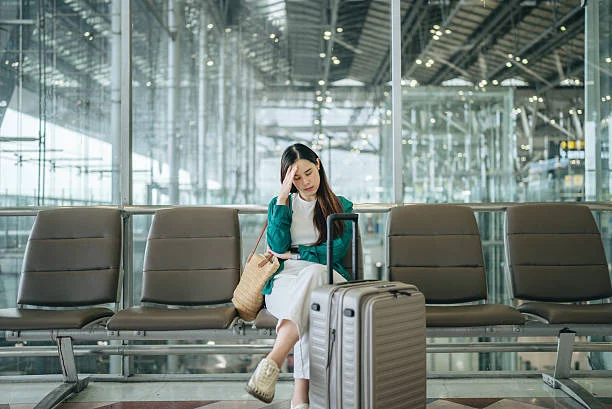
Do they feel strong when going alone? Many modern travelers value the freedom to set their own schedule, pace, and destinations for Women Travelling Alone Safely. To be safe on the road, you must be able to handle unforeseen situations with confidence and ability. This article provides real-life safety advice for women traveling alone. These ideas will help you stay calm and independent on the road, from getting your car ready to finding your way around new destinations.
Prepare Your Car Before Each Trip
Before you go, check your fluids, brakes, tires, lights, windshield wipers, and fuel level. A well-maintained vehicle will not break down on the side of the road, which can be uncomfortable or hazardous. You should also keep some important stuff in the car. You hope you never need a charged power bank, first-aid kit, flashlight, extra water, or emergency contact information, but they come in handy when you do. Preparing well fosters confidence, which is one of the most important safety characteristics for persons who travel alone.Give someone your itinerary
Prepare for Emergencies on the Road
Even prepared drivers face flat tires, dead batteries, or Car Lockout, sometimes even needing Key Fob Replacement. These issues can feel more stressful when you’re alone, especially at night. In this circumstance, having a Trusted Locksmith in Sacramento is critical. Knowing who to call in these instances allows you to remain cool, save time, and maintain control. Being prepared for a little issue can keep it from becoming a safety hazard Women Travelling Alone Safely.
Share Your Plans
It’s great to be spontaneous, but you should tell a friend or family member where you’re going, especially if you’ll be gone for an extended period of time. Telling someone about your planned route, arrival time, and overnight destination makes you safer.Please let us know right away if your plans change. If someone checks on your health, a minor alteration can have a significant impact. A point of contact does not restrict your freedom. It’s a basic, proactive practice that ensures someone understands how you move and can respond swiftly if something appears amiss or you stop talking.
Don’t miss this Related post—packed with insights that can shape your next steps.
Pay Attention to What’s Happening Around You
Park in areas that are well-lit and busy. When you get home, always lock your doors and do not leave valuables out in the open. Instead of looking for your keys at the door, have them handy as you move to or from your car. These tiny behaviors help you stay focused and avoid getting diverted. When driving in unfamiliar areas, use navigation apps that display real-time traffic, construction zones, and police activity. These tools help you avoid dead ends, unsafe neighborhoods, and unpleasant stops. If anything doesn’t feel right, switch your parking spot, route, or gas station. Trust your instincts at Women Travelling Alone Safely.
Keep Your Phone Charged and Nearby
Your phone is an essential piece of safety equipment for solo travel. In an emergency, it can navigate, summon assistance, and notify you of your location. Always keep a charger and cable in the car to prevent your batteries from dying. You may want to create phone shortcuts for tasks such as quickly phoning emergency contacts or sharing your location. These built-in capabilities are easy to use and can help you move quickly if you feel uncomfortable or become disoriented on the road.
Be Smart About Gas and Rest Stops
One of the easiest concerns to avoid is running out of petrol, but many drivers endanger themselves by waiting too long to recharge. If you don’t know the region, top up your tank when it’s less than half full and you’re traveling alone. Choose gas stations, rest areas, or locations with a high level of activity and visibility for snacks, restrooms, or breaks. Stay away from rural areas, particularly at night. If you don’t feel safe pulling in, head to a bus stop with more traffic. When you’re not driving, lock your car doors and avoid chatting with strangers. A nice wave and a closed window can help set boundaries.
Trust Your Instincts and Know Your Limits
To be safe, you must understand yourself and have the necessary tools and plans. If a path appears risky or unusual, take an alternate one. Get out of terrible situations. If something does not feel right, trust your instincts. Women can detect subtle signs of danger, and paying attention to them can prevent many problems. You should also understand what your physical and mental boundaries are. If you’re worried, don’t drive for too long. Safety is the most crucial priority!
Explore more posts for expert ideas and strategies that deliver real results.