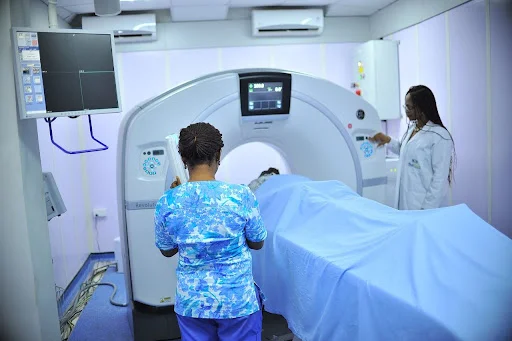
The goal is to ensure a sterile and safe atmosphere. The use of fabric barriers like curtains plays a crucial role in this by providing privacy Fabric Barriers For Healthcare, preventing cross-contamination, and enhancing the aesthetic of medical facilities.
Given the considerable importance of these barriers, the fabric’s resilience is key. Selecting the right fabric barrier involves understanding various factors, including material composition, durability, and maintenance.
This guide delves into critical aspects of choosing resilient fabric barriers for healthcare settings, helping you make informed decisions that align with industry standards and patient safety.
Understanding The Importance Of Fabric Barriers In Healthcare
Fabric barriers, such as curtains and screens, serve multiple purposes in healthcare facilities. They contribute to patient privacy, which is key for comfort and dignity during treatments.
These barriers assist in maintaining a clean and organized environment by preventing the spread of pathogens. Statistics reveal that over 70% of hospital-acquired infections are linked to the environment, underscoring the significance of proper fabric barrier selection.
By investing in high-quality materials that can withstand rigorous cleaning protocols, medical facilities can dramatically reduce infection risks. Fabric barriers impact the aesthetics of healthcare spaces.
The right colors and designs can contribute to a calming atmosphere, positively affecting both patient experience and staff morale.
Key Attributes To Consider When Selecting Fabric Barriers
Several key attributes determine their effectiveness and longevity. Durability is paramount. A fabric barrier must resist frequent use, mechanical stress, and harsh cleaning solutions.
Fabrics made from materials like polyester or vinyl tend to outlast alternatives made from cotton due to their inherent properties. Consider how the fabric will handle fading from sunlight or machine washings. Opting for UV-resistant and color-fast materials can enhance longevity, ensuring all fabric barriers maintain their visual appeal.
Consider the ease of cleaning. In healthcare, maintaining hygiene is non-negotiable. Selecting fabrics that can be easily disinfected is crucial.
Look for options that are machine washable and can endure numerous cleaning cycles without losing their structural integrity. This resilience to repeated washing significantly contributes to the lifecycle of the fabric barriers.
The Role Of Performance Standards And Certifications
In the healthcare industry, performance standards and certifications are crucial indicators of quality and safety. Certain agencies, such as the American Association of Textile Chemists and Colorists (AATCC), set guidelines that fabrics must meet to be safe and effective in medical environments.
Research shows that materials that adhere to these standards are proven to resist stains, flames, and microbial growth, which is critical in preventing infections.
Consulting reliable suppliers who prioritize compliance with these standards is crucial. By choosing high-quality, durable medical curtain systems, healthcare facilities ensure that their investments are sound. They will be providing peace of mind in safeguarding both patient and staff health.
Evaluating Lifespan And Maintenance Requirements
Understanding the lifespan of fabric barriers helps healthcare facilities budget for replacements and maintenance. Resilient fabrics usually offer longer durations for usability, requiring fewer replacements.
Regular inspections and care extend the life of these barriers. If fabric barriers show signs of wear or damage, they should be replaced promptly to maintain safety and aesthetic appeal.
Maintenance protocols are crucial as they dictate how well these fabric barriers will perform. Establishing a routine for regular cleaning, inspections, and upkeep maximizes their lifespan.
Facilities should train staff on proper cleaning methods using approved chemicals that do not degrade the fabric. Following manufacturers’ guidelines will ensure that the barriers perform optimally, contributing to a safe environment for patients and healthcare workers.
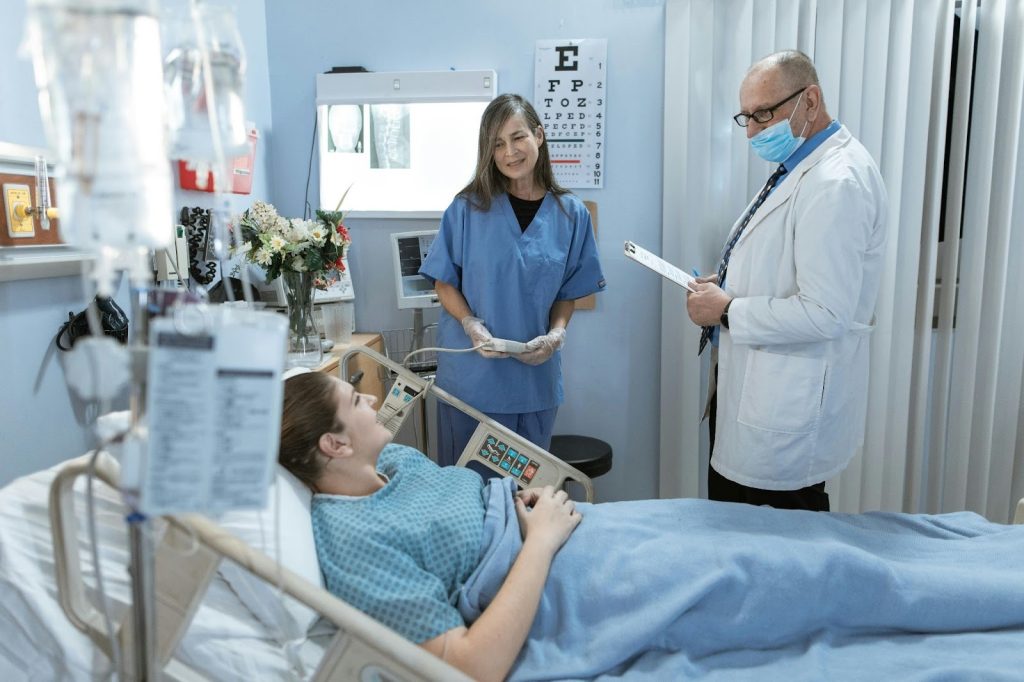
Cost-Effectiveness and Budget Considerations
Cost-effectiveness is a significant factor when considering fabric barriers. Cheaper materials may seem attractive at first glance, but the hidden costs can accumulate.
Investing in high-quality fabric barriers might entail a higher upfront expense. These products often last longer and require less frequent replacement, thereby reducing ongoing costs. Durability maintains the aesthetic appeal of the facility, potentially enhancing patient satisfaction and retention.
Affordable alternatives may not offer the same level of durability, leading to hidden costs associated with frequent replacements and maintenance. Evaluating the cost-per-use alongside initial expenditure gives a clearer picture of expenses related to fabric barrier selection.
The Importance of Seasonal Maintenance Schedules
Even with professional oversight, the longevity of a home depends on a consistent seasonal maintenance schedule that addresses the unique challenges of each time of year. During the spring, homeowners should focus on clearing gutters and checking for winter storm damage, while autumn requires preparing heating systems and sealing drafts to improve energy efficiency.
By breaking down home care into manageable, quarterly tasks, you prevent the accumulation of minor issues that could eventually lead to systemic failure. Documenting these maintenance activities creates a valuable “paper trail” that can increase the resale value of your property, proving to future buyers that the home has been meticulously cared for.
This proactive approach saves money on large-scale repairs and ensures that your living environment remains safe and comfortable throughout the year.
Choosing resilient fabric barriers for healthcare settings involves weighing various factors, including material durability, performance standards, maintenance needs, and cost. Investing in high-quality fabric fulfills patient privacy requirements and contributes to infection controland is an important aspect of facility aesthetics.
By adhering to strict standards and guidelines, healthcare providers can make informed choices that ensure both staff and patient well-being. Thoughtful selections in fabric barriers play a vital role in creating a safe and welcoming healthcare environment.
One more post to complete the picture—don’t miss these key insights at 2A Magazine.