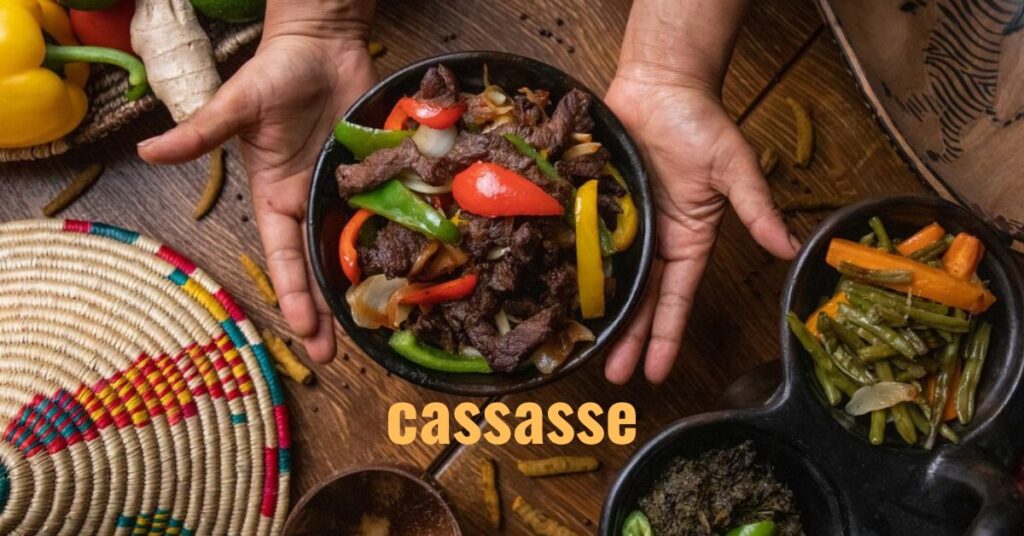
Introduction to Cassasse
Beyond being a mere meal, cassasse serves as a vital pulse within the intricate cultural fabric of the Caribbean. As you stroll through bustling markets and cozy kitchens across the islands, the aroma of cassasse wafts enticingly in the air. This unique food has captivated taste buds for generations, embodying both tradition and innovation.
Originating from cassava, a starchy root vegetable celebrated for its versatility, cassasse takes on many forms throughout the Caribbean. Its significance extends beyond mere sustenance—it holds stories of resilience, community gatherings, and festive celebrations. In this exploration of cassasse, we’ll dive deep into its history, preparation methods, cultural importance, variations across different islands and even modern interpretations that keep this cherished dish alive today. So grab your fork or spoon as we uncover what makes cassasse truly special!
The History of Cassasse in Caribbean Cuisine
Cassasse has deep roots in Caribbean history, tracing back to the indigenous Taino people. They were the first to cultivate cassava, a starchy tuber rich in nutrients.
When European colonizers arrived, they witnessed how vital cassava was for survival. It became a staple food source due to its adaptability and resilience. The tuber’s versatility allowed it to thrive in various climates across the islands.
As enslaved Africans were brought to the Caribbean, they incorporated cassasse into their culinary practices. This blend of cultures enriched local cuisine and established cassasse as more than just food; it became part of everyday life.
Traditional preparations evolved over time. Each island developed unique recipes that showcased local flavors and ingredients, creating a diverse tapestry of dishes centered around this humble root vegetable. Today, cassasse continues to symbolize cultural heritage and unity within Caribbean communities.
How is Cassasse Made?
Cassasse is crafted from the starchy root of the cassava plant, which thrives in tropical climates. The process begins with peeling the tough, outer skin to reveal the tender flesh underneath.
Next, the cassava is grated or shredded. This step releases moisture and prepares it for cooking. After grating, it undergoes a crucial stage: fermentation. Through this organic transformation, both the dish’s depth of flavor and its physical consistency are significantly elevated.
Once fermented, it’s often mixed with various ingredients like spices or herbs to elevate its taste profile. A common method involves forming small cakes or dumplings before boiling them until they become soft yet firm.
It can be served as a side dish or used in stews and soups. Its versatility makes cassasse an essential component of Caribbean meals enjoyed by many across generations.
The Role of Cassasse in Caribbean Culture and Traditions
Deeply embedded in the Caribbean consciousness, cassasse transcends its role as simple nourishment to become a profound cultural icon. It symbolizes unity and community during gatherings.
Families come together to prepare this dish, sharing stories and laughter while they work. The act of making cassasse becomes a cherished ritual that strengthens bonds among loved ones.
During festivals and celebrations, cassasse is featured prominently on tables. Its presence evokes nostalgia, connecting people to their roots and cultural heritage.
Many consider it comfort food—reminding them of childhood memories spent with family or friends. Each island may have its unique twist on the recipe, showcasing local flavors while maintaining traditional significance.
In many communities, serving cassasse signifies hospitality. It’s an invitation for guests to experience warmth and love through shared meals. This dish truly embodies the spirit of Caribbean life—rich in history and flavor.
Variations of Cassasse Across the Caribbean Islands
Across the Caribbean, cassasse takes on many forms, each reflecting local ingredients and cultural influences. In Trinidad and Tobago, it often features a blend of spices that enhance its savory flavor. The use of fresh herbs gives it a distinct character.
Moving to Jamaica, you might find cassasse served with ackee and saltfish. This combination showcases the island’s penchant for vibrant flavors and textures.
In Puerto Rico, it’s traditionally paired with stewed meats or as part of festive celebrations. Here, cassasse embodies community spirit during family gatherings.
Each island has a unique twist on this beloved dish. From sweet variations made with coconut to spicy versions infused with hot peppers, these adaptations highlight the creativity within Caribbean cuisine. There’s always something new to discover in every region’s take on cassasse.
Modern Interpretations and Fusion with Other Cuisines
Modern chefs are reimagining cassasse, infusing it with global flavors and innovative techniques. This traditional dish is no longer confined to its roots; it’s a canvas for creativity.
Some culinary artists experiment by incorporating spices from Indian cuisine, giving cassasse an exotic twist. Others might blend the classic recipe with elements of Asian stir-fries, creating a delightful fusion that surprises the palate.
Food trucks and trendy restaurants showcase cassasse in unexpected forms—think cassasse tacos or sliders. These modern takes not only appeal to younger audiences but also invite conversations about cultural exchange.
Moreover, plant-based diets have influenced adaptations of this beloved dish. Chefs are crafting vegan versions using alternative proteins while maintaining the essence of cassasse’s flavor profile.
This exciting evolution keeps tradition alive while inviting new generations to explore Caribbean heritage through food.
Health Benefits and Nutritional Value of Cassasse
Cassasse is more than just a delicious dish; it offers various health benefits that make it a worthwhile addition to any diet. This versatile ingredient is rich in carbohydrates, providing energy for daily activities.
Packed with dietary fiber, cassasse aids digestion and promotes gut health. The fibers can help maintain healthy cholesterol levels, contributing positively to heart health.
Additionally, cassasse contains essential vitamins and minerals such as potassium and magnesium. These nutrients support overall bodily functions, including muscle contraction and nerve signaling.
Moreover, the low-fat content makes cassasse an appealing choice for those looking to manage their weight while enjoying flavorful meals. Its gluten-free nature allows individuals with gluten sensitivities or celiac disease to savor its goodness without worry.
Incorporating cassasse into your diet not only enhances culinary experiences but also supports a balanced lifestyle filled with nutritious choices.
Conclusion: Preserving and Celebrating the Cultural Significance of Cassasse
Cassasse stands as more than just a dish; it is a vibrant thread woven into the fabric of Caribbean culture. Its rich history and diverse variations reflect the islands’ unique stories and traditions. As people continue to explore innovative ways to enjoy cassasse, whether through modern twists or traditional recipes passed down through generations, this beloved food remains vital in community gatherings and celebrations.
With its roots deeply embedded in cultural practices, cassasse serves as a reminder of shared heritage and identity across the Caribbean. It invites both locals and visitors alike to savor not only its flavors but also the narratives behind each preparation. By appreciating cassasse’s significance, we contribute to keeping these culinary traditions alive for future generations.
As trends evolve, maintaining respect for tradition while embracing creativity will ensure that cassasse continues to thrive in kitchens around the world. Through every bite, we celebrate not just a food item but an entire way of life that defines Caribbean spirit and resilience.