Picture this: you’ve just landed in Lima, Peru. It’s 7 PM, the air smells of citrus and salt, and you have zero idea where to eat. You don’t want a tourist trap. You want real food. That’s exactly the problem iamrestaurant.com destinations was built to solve.
In 2026, food travel isn’t a niche hobby anymore. It’s how millions of people experience the world. And platforms that help you eat smarter, not just travel further, are becoming the most trusted names in culinary discovery.
So what exactly makes iamrestaurant.com destinations stand out from every other restaurant finder on the internet? Let’s dig in.
What Is iamrestaurant.com Destinations, Really?
Most people assume it’s a glorified Yelp. It’s not.
iamrestaurant.com is a dynamic, multi-purpose platform dedicated to the food and restaurant industry — functioning both as a restaurant discovery guide for diners and as a management solutions provider for restaurant owners and operators.
That dual nature is what separates it. On one side, you have travelers and food lovers hunting for their next great meal. On the other, you have chefs and restaurant managers using the platform’s backend tools to grow their visibility and streamline operations.
iamrestaurant.com destinations is more than a restaurant directory — it’s a global food discovery platform. Every listing is shaped around cultural context, not just star ratings. That means when you search for a spot in Istanbul, you’re not just getting a name and address. You’re getting the story behind the mezze, the neighborhood’s history, and why locals eat there on Fridays.
Industry food analysts increasingly call this approach “experience-first discovery” — the idea that diners book meals the same way they book experiences, not groceries.
How the Platform Organizes Global Dining Destinations
One of the smartest things iamrestaurant.com does is organize destinations by culture, not just geography. Here’s a snapshot of how the major regions break down:
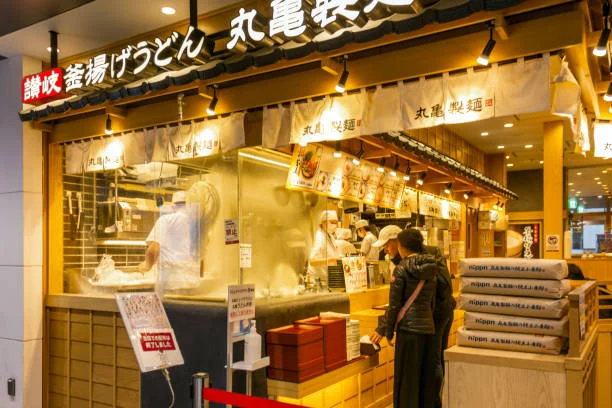
Asia-Pacific Bangkok leads as the street food capital with curries and noodles. Tokyo offers sushi, ramen, and izakayas. Delhi brings spices, curries, and street snacks like chaat. Seoul rounds it out with Korean BBQ, kimchi, and fusion dining.
Tokyo holds over 200 Michelin-starred restaurants, as highlighted by the Japan National Tourism Organization — making it one of the most decorated food cities on the planet.
Latin America Lima, Peru, is recognized as a gastronomic capital, thanks to dishes like ceviche and lomo saltado. Buenos Aires is famous for its steakhouses, with juicy bife de chorizo paired with Malbec being a standout. The platform even highlights underground supper clubs in Buenos Aires — the kind of spots no guidebook covers.
Europe & Middle East For fine dining, the platform features Osteria Francescana in Modena, Italy — a world-famous venue serving modern Italian cuisine with innovative twists by culinary genius Chef Massimo Bottura. Paris, Florence, and Istanbul all earn dedicated destination profiles, each walking users through both the iconic spots and the quiet neighborhood places worth the detour.
Africa Marrakech’s medinas offer tagines and mint tea, as noted by UNESCO. Cape Town blends African, Dutch, and Indian cuisines — a combination that makes it one of the continent’s most underrated food cities.
What Makes a “Destination” on This Platform Different?
Here’s where it gets interesting. Most restaurant apps show you what’s nearby. iamrestaurant.com destinations shows you what’s worth it.
A “destination” on iamrestaurant.com isn’t just a place to eat — it’s an experience. The site categorizes restaurants by location, cuisine, and dining style, allowing users to explore destinations that go beyond the meal itself. Each destination profile is crafted to give users a clear sense of the restaurant’s atmosphere, specialties, and pricing.
Think of it like the difference between a map and a travel journal. A map tells you where things are. A travel journal tells you why they matter.
The platform also covers a range of dining styles so it works for any budget:
- Fine dining — Michelin-starred restaurants with curated tasting menus
- Casual comfort — neighborhood favorites and trusted local spots
- Street food — vendor stalls and market bites that most tourists miss entirely
- Hidden gems — family-run eateries off the beaten path, selected for authenticity
Every restaurant and food stop listed is carefully selected for authenticity, flavor, service, and local significance — think of it like a global food journal written by people who live to eat.
The Geo-Search Feature: A Traveler’s Best Friend
Spontaneous travelers love this.
The platform’s geo-location search feature is particularly powerful for travelers who want to discover great restaurants in unfamiliar cities without relying on generic lists or outdated guidebooks.
You open the app in a new city, drop your location, and the platform surfaces options ranked by authenticity, cuisine type, and proximity — not just paid placement. That’s a meaningful difference in a world where most apps push sponsored results to the top.
And the reservations feature is woven right in. Popular restaurants often require advance bookings, especially during peak hours or special events, and the platform makes it easy to book a table directly — securing your spot without any hassle.
Food Tours, Seasonal Events, and Cultural Dining
This is one of the most underused sections of the platform, honestly.
Food tours are becoming an increasingly popular way to explore new destinations, and iamrestaurant.com destinations highlights some of the best cities for these culinary adventures. These tours take visitors through iconic food markets, historic neighborhoods, and trendy dining districts.
Beyond tours, the platform features exclusive dining events that celebrate food and culture throughout the year — from summer street food festivals to winter tasting menus, including local food celebrations, pop-up restaurants, and special chef events worldwide.
Each listing includes event dates, locations, and booking details. So if you’re planning a trip around a specific experience — say, a seasonal truffle festival in Italy or a barbecue cook-off in Texas — you can actually build your itinerary around the food calendar. Not many platforms let you do that.
Who Should Actually Use iamrestaurant.com Destinations?
Short answer: almost anyone who eats out more than twice a week, or travels at least once a year.
But more specifically, the platform is built for:
- Food-first travelers who choose destinations based on dining, not sights
- Digital nomads who need reliable restaurant recommendations in new cities every few weeks
- Culinary tourists planning multi-stop food trips across regions
- Local explorers who want to find hidden gems in their own city without scrolling through endless reviews
The platform curates based on authenticity, not ads or popularity — it highlights cultural significance and connects travelers with unique food journeys.
That last point is what food travelers in 2026 are most hungry for (no pun intended). According to food tourism research compiled by the World Food Travel Association, over 93% of leisure travelers now consider food and drink activities essential to their overall trip experience. iamrestaurant.com is positioned squarely in that shift.
Challenges Worth Knowing
No platform is perfect, and iamrestaurant.com destinations is no exception.
Coverage in smaller cities and rural areas is still patchy. If you’re heading somewhere off the main travel circuit — a small town in rural Vietnam or a coastal village in Ecuador — you might not find much. The platform’s strength is in major food cities.
Also, user-generated reviews can vary in consistency. Some destination profiles are rich with detail, photos, and recent updates. Others feel a bit thin. That inconsistency is something the platform is reportedly working on as it expands its contributor network in 2026.
Still, for its core use case — helping people eat brilliantly in the world’s great food cities — it delivers.
The Bigger Picture: Food Tourism Is Only Growing
Travel behavior shifted dramatically post-2020. People aren’t just going places anymore — they’re going for something. And food is increasingly that reason.
Culinary travel is booming because it’s about more than just food — it’s about stories, people, and heritage. When you bite into a flaky croissant in Paris or sip a spicy broth in Vietnam, you’re tasting generations of culture.
iamrestaurant.com destinations sits at exactly that intersection: technology meeting tradition, discovery meeting culture. And as more travelers plan trips around their palates rather than their itineraries, a platform like this doesn’t just become useful — it becomes essential.
As culinary travel writer and food anthropologist Dr. Mei Tanaka put it in a recent industry panel: “The best food platforms don’t just tell you where to eat. They tell you what it means to eat there.” iamrestaurant.com is clearly chasing that standard.

Conclusion
iamrestaurant.com destinations isn’t trying to replace Tripadvisor or Google Maps. It’s doing something more specific and, honestly, more valuable — it’s building a curated, culturally aware food atlas for the modern traveler.
Whether you’re planning a full-blown culinary trip across Southeast Asia or just want to finally find that authentic ramen spot in your city that isn’t packed with tourists, the platform gives you a smarter starting point. In 2026, eating well while traveling isn’t about luck. It’s about knowing where to look. And iamrestaurant.com destinations is a very good place to start looking.
FAQs
Q1: Is iamrestaurant.com destinations free to use?
Yes, the discovery and browsing features are free for diners. Restaurant owners who want to list and manage their business profiles may access additional paid tools through the platform’s management suite.
Q2: How does iamrestaurant.com choose which restaurants to feature?
Listings are selected based on authenticity, cultural significance, quality of food, and real diner reviews — not paid placement. The platform prioritizes genuine local experiences over tourist-facing venues.
Q3: Can I use iamrestaurant.com destinations for street food recommendations?
Absolutely. Street food discovery is one of the platform’s strongest features, especially for cities like Bangkok, Mexico City, Delhi, and Marrakech, where street-side dining is central to the food culture.
Q4: Does the platform support restaurant reservations directly?
Yes. Many restaurant profiles include direct reservation links or contact details, making it easy to book without leaving the platform.
Q5: How current are the reviews and listings on iamrestaurant.com?
The platform relies on a mix of verified diner reviews, food blogger contributions, and regular editorial updates. For popular destination cities, listings are generally up to date — though smaller markets may have older information.