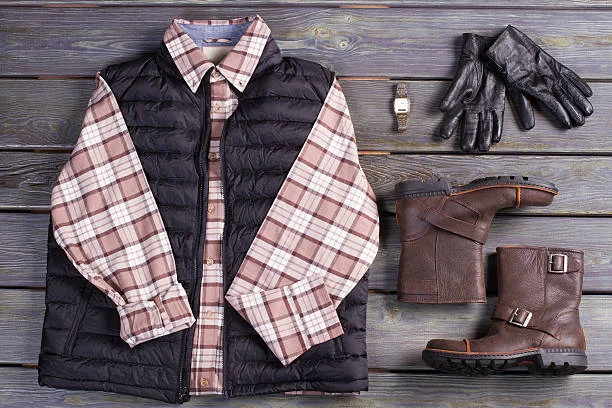
Workwear has always had a practical reason for existing, but practicality is only part of its appeal now. As men move back toward clothes with texture, weight and recognizable shapes, workwear feels right for fall and winter. Heavy denim, substantial shirts, rugged jackets and leather footwear look natural once temperatures drop, and they are refreshingly easy to combine. You do not need to dress like you are heading to a jobsite, either. The modern approach borrows the best pieces from traditional work clothing and gives them enough polish for restaurants, offices, weekends and travel. The result is a wardrobe that looks masculine and considered without requiring much fuss.
Start With the Right Boots
Fall style gets considerably easier when the shoes can handle almost anything. A good pair of moc toe boots offers the kind of substantial profile that works especially well with heavier cold-weather clothing. The recognizable stitched toe gives the boot character, while leather construction develops more personality as it gets worn. Pair them with straight jeans and a heavyweight tee in early fall, then add flannel, wool or a lined jacket as temperatures fall.
The best part is that these boots do not require a closet full of equally rugged clothes. They can give simple chinos and a sweater more backbone or make relaxed denim look intentional rather than thrown together. Brown leather is an obvious starting point because it works across earthy autumn colors, dark indigo and black. Keep the shape classic and avoid excessive detailing. Workwear looks strongest when its design feels useful rather than decorative.
Give Denim More Substance
Denim belongs at the center of a workwear wardrobe, but fall and winter call for jeans with a little more presence. Straight and relaxed cuts make sense because they sit naturally over boots and balance heavier outerwear. Dark indigo feels clean enough for dinner or casual offices, while washed blue denim creates a more lived-in weekend look. Both have far more mileage than highly distressed jeans that dictate the rest of an outfit.
A denim jacket can also earn its place once temperatures start dropping. Wear one over a thermal shirt during mild weather or underneath a roomy coat later in the season. Double denim works, too, particularly when the washes are different enough to create contrast. The goal is not to recreate a historical uniform. Instead, treat denim as the sturdy foundation that allows softer knits, leather accessories and more refined outerwear to join the outfit without looking overly precious.
Choose Jackets Built for Fall
Outerwear is where workwear gets particularly good. Chore coats, canvas jackets, trucker jackets and barn coats have pockets, texture and structure without the stiffness of dressier alternatives. A chore coat over a crewneck sweater and jeans can carry an outfit through most casual situations, while a waxed or lined jacket gives you more protection once cold rain and wind arrive.
Color matters here. Olive, tobacco, navy, tan and deep brown are dependable because they complement denim and leather without creating an outfit that feels overly coordinated. Fabric matters even more. Canvas, corduroy, wool and waxed cotton bring visible texture, which is one reason these clothes look so at home during colder months. Look for jackets roomy enough to accommodate a sweater underneath. A fall jacket that only works over a T-shirt has a painfully short career once November shows up.
Upgrade the Everyday Shirt
Cold-weather layering becomes much easier when your shirts have enough weight to stand on their own. A substantial cotton work shirt can replace a lightweight button-down when the weather turns, providing a stronger shape and enough versatility to function as either a shirt or a light overshirt. Wear it buttoned with dark jeans for a cleaner look, or leave it open over a thermal or plain tee when you want something more relaxed.
Details such as chest pockets, sturdy buttons and reinforced seams can add character, but fit remains the deciding factor. There should be enough room through the torso and shoulders to move comfortably without creating excess fabric. Solid colors are especially useful because they layer easily beneath jackets and coats. Navy, cream, forest green and muted brown all work well with denim and boots. Plaid and checks have their place, but a closet packed exclusively with lumberjack references starts looking like a theme party pretty fast.
Keep the Styling Modern
The easiest mistake with workwear is wearing every rugged piece at once. Instead, mix one or two traditional items with clothes already in your wardrobe. Try a chore jacket with wool trousers and leather sneakers, or wear sturdy boots with dark jeans and a cashmere sweater. A barn coat can even sit comfortably over button-down and tailored pants. That contrast prevents practical clothing from turning into a costume.
Accessories should follow the same rule. A leather belt, canvas bag, knit cap or simple watch can reinforce the look without overwhelming it. Pay attention to proportions as well. Current workwear looks best with a little breathing room, so trousers and jackets should skim rather than cling to the body.
There is a reason workwear keeps returning when fall arrives. These clothes were designed around durability, comfort and repeated wear, qualities that happen to make a great everyday wardrobe. Choose the pieces you will actually use, let them age naturally and resist the urge to overstyle them. Good workwear should look even better by the time winter is over.