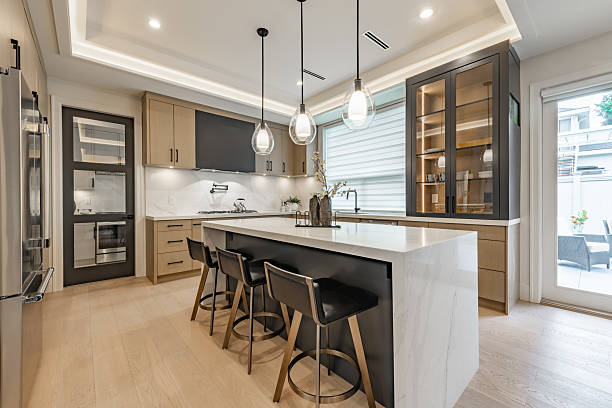
The kitchen is where most households actually live, not just cook. It’s where morning coffee happens, homework gets done, and holiday guests end up crowding around the island no matter how many other rooms are available. That’s one reason kitchen remodeling remains such a popular home improvement project, and also why getting the planning right matters so much.
A poorly planned renovation doesn’t just look off. It can throw off your daily routine for months and eat through a budget faster than almost any other room in the house. Before tearing out a single cabinet, it helps to understand where most kitchen projects go sideways, and how each mistake tends to translate into extra cost, rework, or delays.
Homeowners who work with an experienced team offering kitchen remodeling services can often catch planning problems before they turn into expensive change orders. Even with professional help, though, it pays to know what to watch for going in.
Skipping the Budget Buffer
One of the most common mistakes is setting a budget that only covers the visible parts of the job: new countertops, cabinets, maybe a backsplash. What often gets left out is everything hiding behind the walls. Old wiring, outdated plumbing, or water damage under the sink can surface once demolition starts, and those surprises rarely come cheap.
Many homeowners set aside an additional 10 to 20 percent of the renovation budget for unexpected costs. If nothing goes wrong, that money can go toward upgraded fixtures or better appliances. If something does come up, the project doesn’t stall while funds get sorted out, which is where a lot of timelines quietly fall apart.
Ignoring Kitchen Workflow
Layout is where a lot of DIY planning falls apart. It’s tempting to focus on how a kitchen will look in photos rather than how it will actually function day to day. The traditional work triangle between the sink, stove, and refrigerator can still be useful, but modern kitchens often work better when homeowners think in terms of broader activity zones instead.
The underlying principle still holds: the most frequently used zones should be close enough to move between easily. A layout that forces someone to cross the room three times to finish a simple task ends up costing time every single day, and sometimes money later if it has to be corrected.
Underestimating Storage Needs
Storage is almost always underestimated during the planning phase. Homeowners tend to design around what they currently own, forgetting that kitchens accumulate more gadgets, dishware, and pantry goods over time, not less. Pull-out shelving, vertical dividers for baking sheets, and deep drawers instead of traditional cabinets can make a noticeable difference without requiring a bigger footprint.
Corner cabinets in particular get wasted more often than any other storage spot in the kitchen. Skipping a lazy Susan or corner pull-out system now often means paying to retrofit one later, once the cabinetry is already installed.
Choosing Trendy Over Durable
It’s easy to fall for a finish because it looks great in photos, only to realize a year later that it scratches, stains, or fades faster than expected. Quartz is often chosen for its consistent appearance and relatively low maintenance, while natural stone options vary considerably in durability, porosity, and upkeep.
The same logic applies to flooring and cabinet finishes. Matte black fixtures look sleek, but they can show water spots more visibly than brushed nickel or stainless steel. None of this means trendy choices should be avoided entirely, just that durability deserves equal weight, since replacing a finish early is rarely a cheap fix.
Hiring Based on Price Alone
Cost is always a factor, but choosing the lowest bid without checking references, licensing, or past project photos is one of the more expensive mistakes a homeowner can make. A low quote sometimes reflects corners that will get cut later, whether that’s cheaper materials, rushed timelines, or subcontractors who aren’t properly vetted.
When comparing kitchen renovation contractors, homeowners should look at references, licensing, reviews, previous projects, and how clearly each company explains its scope of work. Reviewing completed projects and speaking with past clients gives a much clearer picture of what to expect than a quote alone ever could.
Underestimating the Timeline
Kitchens typically take longer to renovate than homeowners initially expect, especially when structural changes or plumbing relocations are involved. Even a well-planned renovation can run longer than expected when permits, structural work, inspections, or material delays enter the picture.
Building in extra time, along with a backup plan for meals during construction, makes the process far less stressful when delays inevitably happen.
Getting It Right the First Time
A kitchen remodel is one of those projects where careful planning pays for itself. The most successful kitchens are not necessarily the ones with the largest budgets. They are the ones planned around how the space will actually be used every day.