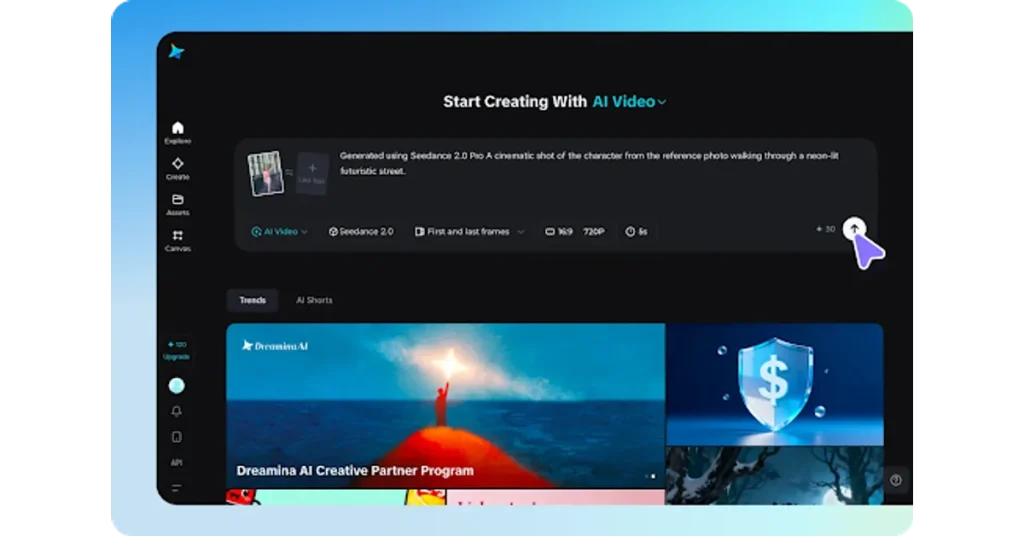
There has always been a natural nexus between the world of technology and the world of entertainment. The evolution of storytelling, from the first silent movies to the last talked, color or streamed movies, has marked the big technological changes – the digital camera or the computer generated effects have also found their place in history. At the present time, artificial intelligence is becoming one of the constitutive elements of these changes. Seedance 2.0 and Seedance 2.5, together with the broader growth of AI-powered video technology, represent early steps toward addressing the new challenges facing the entertainment industry. Alongside tools like Dreamina, these advancements are helping shape innovative approaches to content creation and open new possibilities for the future of AI-enhanced video production.
Filmmaking Has Always Required Many Resources
The complexity of the movie or television project has always required many resources. It has always required a team of writers, directors, actors, camera operators, set designers, editors, and many other specialists. Even a short scene can take a lot of time to prepare. AI video technology is not going to eliminate the need for any of these specialists, but it has the potential to bring new tools to the specialists to help them plan and experiment with visual ideas.
Seedance 2.0 and the Creative Film Process
Part of the newly developed AI video tools for filmmakers at different points in production is Seedance 2.0, and likely many more tools, in this newly emerging AI video landscape. Directors often come up with ideas for particular scenes, but may decide to postpone full production for that scene. AI video concepts may allow directors to approximate the scenes with different background settings and different movements and/or moods for the characters. This development may allow the filmmaking community to further enhance their interactive creativity. Directors and/or production teams typically have to rely on storyboards and scripts to imagine the scenes. Now they may be able to capture the scene ideas with the help of AI video tools.
Exploring New Possibilities With Seedance 2.5
Seedance 2.5 from Dreamina represents the next stage in the evolution of advanced AI video tools. The ability of newer AI systems to allow more extensive experimentation and creativity is likely the key to the developments in the entertainment community using newer AI systems. Creativity is the driving force in filmmaking, and newer visualization options that are the product of newer AI tools may allow directors and producers to push the boundaries of their creativity with concepts that are difficult (or nearly impossible) to capture with traditional video production.
The Evolution of the Storyboard
AI video introduces the potential for filmmakers to expand one of the oldest techniques of storyboarding. Traditionally, storyboards include still images that show sequences of a scene. AI video would allow filmmakers and directors to analyze moving images and visualize how the action or movement of characters and the camera through a scene may occur. This technology will add a level of dynamism to the pre-production stage that has not existed previously.
Making Short Films More Accessible
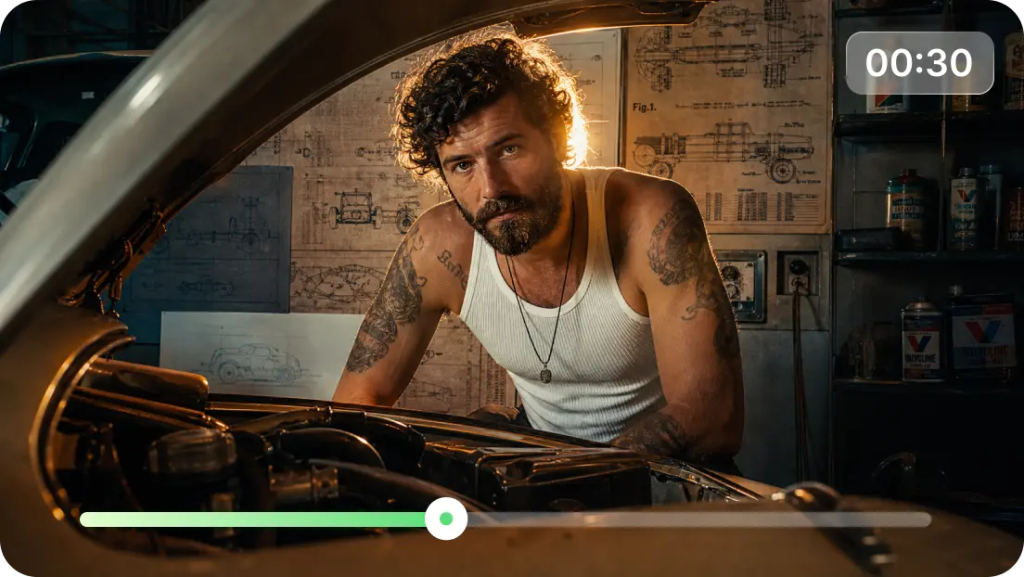
AI video technology has the potential to bring down the budget needed to create a short film. This could help bring down one of the barriers that has kept aspiring filmmakers from creating. With AI, filmmakers have the potential to play around with the scenes, settings, and transitions, all of which are typically seen as ways to set apart short films. With the development of AI video technology, filmmakers around the world will have the resources to bring their stories to life.
The Future of Entertainment with Hybrid Filmmaking
The future of filmmaking may be a mix of traditional filmmaking and AI. Fully AI generated films and fully traditional films are probably things of the past. Different methods may be used together. Real actors may be used in real locations, as well as generated environments and AI assisted visuals. Hybrid filmmaking may provide filmmakers with more freedom. Authenticity with emotional performances may be coupled with technology that assists visualization and expansion of the world.
What the Audience Will Expect
The advancements with AI generated videos may lead audiences to demand more cutting edge entertainment. Locally and revelationally bound stories may be expanded to limitless realms. However, audience members may also be more inquisitive about the how of filmmaking. Where AI generated media looks realistic, the media may demand transparency, and entertainment companies will have to creatively balance the two.
The Future for Independent Filmmakers
The advances in AI video technology may be more beneficial to the independent creator. The independent creator may be able to realize their vision, as the cost of technology and the size of assisted filmmaking has decreased to the point where a small team can realize concepts that the large studios have traditionally required. This may lead to an overwhelmingly large number of stories and artistic voices in entertainment.
Final Thoughts
The introduction of Seedance 2.0 and Seedance 2.5 shows how we are changing our understanding of AI and video creation. From a filmmakers and entertainment studio perspective, this opens up many possibilities to visualize stories, build worlds, play with style, and support various parts of the planning process. This is exciting and important, but the future of entertainment will never be solely about technology. This is a constructive tool, but nothing will replace the importance of human creativity and emotional connection through storytelling, the craft of an artist, and genuine performances. I believe the most exciting prospect for the future of entertainment rests with the idea that AI offers huge advances of what is technically possible to the artist’s imagination, while the human side will continue to define what is worthy to be told.