What if businesses could help the planet and save money at the same time? Every day, companies use materials that create waste. This waste often ends up in landfills, harming the environment.
But there is a better way. Material recycling allows businesses to reuse resources and cut down on waste. It is not just about being green; it also makes good business sense.
More companies are seeing recycling as a smart, sustainable choice. By reading this blog post, you can learn how material recycling can help businesses reach their sustainable goals.
Understanding Material Recycling
The process of turning used or old things into new ones is called material recycling. This process helps protect natural resources. This keeps trash from ending up in landfills.
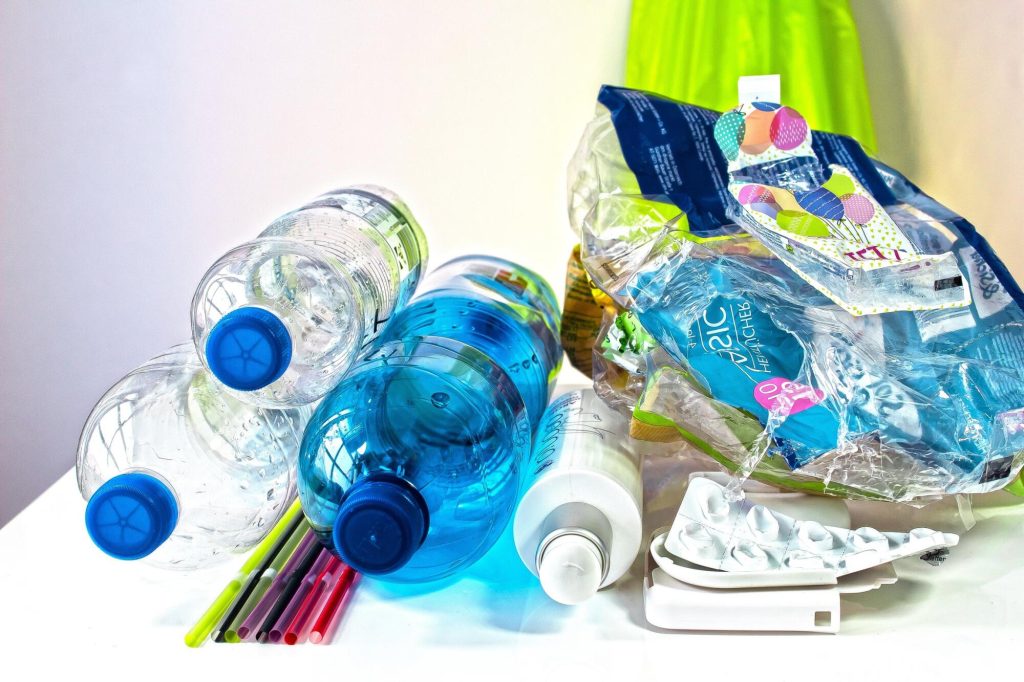
Paper, plastic, glass, and metal are all things that can be recycled. It is much easier for businesses to sort and collect these things. Many recycling programs can help businesses.
After the materials are gathered, they are cleaned and processed. The recycled materials can be used again in the manufacturing process. In this way, the need for new raw materials goes down.
Reducing Waste Through Recycling
Many businesses have problems with waste. Recycling is one way to cut down on the amount of trash that ends up in landfills. It’s true that companies that recycle make less trash.
This means that landfills will have less room to hold trash. Furthermore, it lowers the costs connected with getting rid of trash. Businesses often have to pay to use landfills in many cities.
Recycling is one way for businesses to cut these costs. By recycling, you can also keep dangerous chemicals from getting into the soil. Because of this, the areas around these places stay safer and cleaner.
Improving Operational Efficiency
Recycling can make the way a business works more efficient. Sorting materials for recycling makes the process more organized. Workers become more knowledgeable about the materials they handle.
Because of this, people may make less trash in the first place. Well-run recycling systems save both time and effort. With the help of machines, recycling materials can be processed more quickly.
When workflows are streamlined, there is less chaos and confusion at work. When recycling is done right, mistakes happen less often. Businesses can run more smoothly and efficiently.
Supporting Corporate Social Responsibility
Customers are more likely to buy from businesses that care about the environment. Recycling helps a business show that it cares about the environment. It becomes part of how a company is seen.
Many new customers who care a lot about the environment might be interested in this. Businesses that care about the environment also give their workers a sense of satisfaction. Recycling programs can be talked about as part of marketing efforts.
This makes people trust the government more. Taking responsible actions can help a business stand out from others in the same field. Having your business known for caring about the environment is always a good thing.
Saving Money With Recycling
Recycling is beneficial not only to the environment but also to one’s financial situation. You can earn additional income by collecting and selling recyclable materials. You can derive value from recycling certain materials, such as metals.
Companies spend less money on purchasing new raw materials. Waste disposal costs are also reduced, resulting in savings. In the long run, recycling can result in significant cost savings.
Certain governments provide tax breaks to businesses that recycle. Because of these incentives, recycling is becoming an even more appealing option.
In the long run, it may be beneficial to invest in recycling equipment. Businesses can maintain their competitive edge by lowering their costs.
Meeting Environmental Regulations
Laws about waste and recycling are becoming increasingly stringent. Many governments are now mandating that businesses recycle their waste. Infractions of these rules can result in significant financial penalties.
It is easier for businesses to remain on the right side of the law when they recycle. Additionally, it helps them get ready for any new rules that may be implemented in the future. A company’s adherence to regulations can demonstrate responsibility.
In this way, legal trouble can be avoided. Additionally, businesses that recycle can influence future policies. This is an example of smart business planning: staying ahead of regulations.
Enhancing Brand Image and Reputation
A strong recycling program improves a company’s reputation. Customers notice when businesses care about sustainability. Recycling can be a feature in advertising and promotions.
Positive news spreads quickly online and in the media. A good reputation attracts loyal customers. It can also help draw talented employees.
People want to work for companies that make a difference. Recycling helps create a positive work culture. It builds a brand that stands out from the competition.
Encouraging Innovation and New Solutions
Recycling inspires businesses to find new ways to use materials. Companies can design products that are easier to recycle. This sparks fresh ideas and creative thinking.
Some businesses develop new recycling technologies. For example, a PE film washing line can help clean and prepare plastic films for reuse. Companies can also create new products from recycled materials.
Innovation in recycling leads to better products. It also gives companies a market edge. Forward-thinking businesses stay ahead by embracing change.
Building Long-Term Sustainability
Recycling is key to a sustainable future. When businesses recycle, they use fewer natural resources. This protects forests, water, and wildlife.
Recycling reduces pollution and energy use. It also supports a circular economy, where materials are used again and again. Long-term sustainability means planning for the future.
Businesses that recycle are more likely to last and grow. They become leaders in their industries. Recycling benefits everyone, from companies to communities.
Unlocking Business Growth Through Recycling
Businesses can recycle everyday items to cut down on waste, save resources, and work more efficiently. Building trust with customers, caring for the environment, and preparing for future expectations are all benefits of strong recycling programs.
For businesses and communities, every small improvement adds value over time. Leaders, employees, and partners who work together to reach common goals build habits that last longer. While protecting valuable natural resources, smart recycling choices help businesses succeed in the long run.
Did you like this guide? Great! Please browse our website for more!