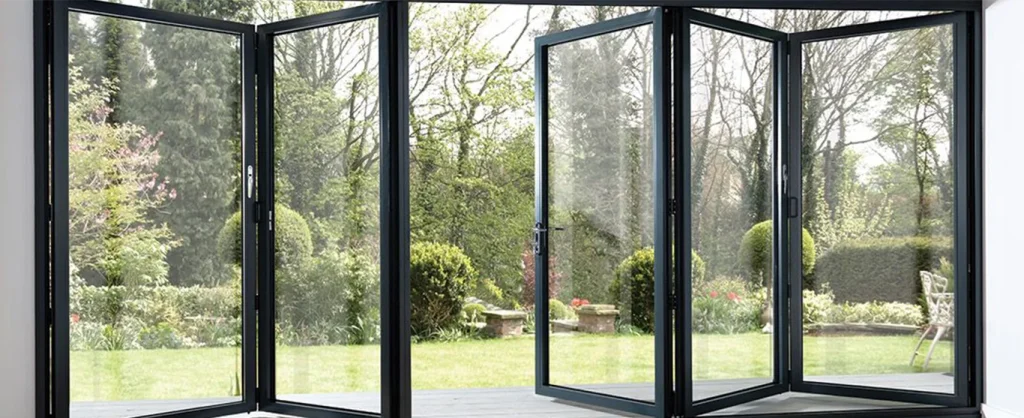
The summer heat, strong winds, monsoon rains, and desire for modern interiors in Indian houses have increased significantly. This makes the debate on aluminium windows and uPVC windows highly relevant.
But here’s the part many homeowners realise late: the real difference appears after years of daily use. A window that looks impressive during installation may behave very differently once exposed to Indian weather conditions every single day.
How Indian Climate Actually Tests Your Windows And Why Material Quality Makes All the Difference?
India’s climate pushes windows harder than most countries. Coastal humidity, dry northern heat, dust storms, and months of rain expose weak window systems surprisingly fast.
But the bigger truth is this: performance depends less on the material name and more on the quality behind it.
Coastal Cities Need Better Protection
In cities like Mumbai, Chennai, Kochi, and Visakhapatnam, salty air can damage lower-grade frames over time. Basic aluminium may corrode near coastal areas if the engineering and design are poor.
However, high-quality system aluminium windows are specifically designed to resist such conditions. This is why choosing a trusted brand matters more than assuming aluminium for windows is unsuitable for coastal homes.
Extreme Heat Exposes Structural Weakness
Modern homes in Delhi NCR, Rajasthan, and Madhya Pradesh now prefer large openings and wide sliding systems. These designs place continuous pressure on window frames during intense summer heat.
This is where aluminium performs exceptionally well. Because of its strength-to-weight ratio, aluminium glass windows maintain their shape for years without bending or warping easily.
Heavy Rain Tests Window Sealing
In Kerala, Kolkata, the Northeast, and coastal Konkan regions, heavy monsoons quickly expose poor sealing systems.
A properly engineered aluminium glazed window with quality gaskets and fittings performs far better during driving rain conditions than many homeowners expect.
Aluminium Windows vs uPVC Windows: Which Performs Better in Daily Indian Usage?
These technical specifications hardly describe the experience of using a window on a day-to-day basis. The real test happens when balcony doors slide open constantly, dust enters during summer, or high-rise apartments face strong winds throughout the year.
Better Handling in Busy Homes
In homes where windows are frequently opened and closed, aluminium windows usually feel sturdier over time. The frames remain stable even with constant daily usage.
This becomes especially noticeable in apartments where balcony access is frequent or in homes with larger sliding systems.
Slim Frames Bring More Natural Light
One major reason aluminium windows design trends have grown rapidly is the slimmer frame profile.
Slim frames allow:
- Larger glass areas
- Better outdoor views
- More sunlight indoors
In urban apartments, this extra openness can make rooms feel brighter and less cramped.
uPVC Still Has Certain Advantages
uPVC can provide good insulation and may help create quieter indoor spaces. For some homeowners, this remains an important benefit.
But long-term performance in Indian conditions depends on more than insulation alone.
Long-Term Stability Matters More
The Indian climate keeps changing between hot, humid, dirty, and polluted air. Gradually, some window systems will begin to suffer from conditions like swelling, discolouration, warping, and surface ageing.
That is why many homeowners now focus more on durability and structural stability than on appearance.
Why More Premium Indian Homes Are Choosing Aluminium Windows in 2026?
The growing demand for aluminium is closely connected to changing home design trends across India.
Today’s buyers want:
- Minimalist interiors
- Bigger windows
- Cleaner aesthetics
- More daylight indoors
Traditional bulky frames no longer fit this modern style.
Bigger Glass Areas Need Stronger Frames
The latest aluminium window design for house projects focuses heavily on panoramic views and wider openings. Aluminium supports these larger glass designs without making the frame look bulky.
This has made it increasingly popular in:
- High-rise apartments
- Luxury villas
- Modern renovations
- Smart homes
Modern Aluminium Has Improved Significantly
Earlier aluminium systems were often criticised for heat transfer. But modern systems now use better glazing technologies and improved thermal insulation. At the same time, corrosion-resistant treatments have improved durability and reduced maintenance needs.
Many buyers now prefer modern type of aluminium windows because they continue looking sleek even after years of usage.
Cost, Maintenance, and Long-Term Value: What Actually Matters Before Buying Windows?
Most homeowners compare only installation costs. But the bigger expenses often appear years later.
Cheap Windows Can Become Expensive Later
Lower-quality systems may eventually develop:
- Water leakage during monsoons
- Hardware failures
- Frame discoloration
- Sealing issues
This is where long-term quality becomes far more important than initial savings.
Think Beyond the First Few Years
uPVC windows may sometimes appear more affordable initially. However, after 5 to 10 years, maintenance and durability usually matter more than purchase price.
Different type of windows suit different homes, but buyers today increasingly prioritise systems that remain reliable under Indian weather conditions for the long run.
Conclusion
The aluminium vs uPVC debate is no longer only about looks or insulation. Indian homes now require windows that can handle changing climates, daily wear, larger designs, and long-term performance without losing stability.
While both materials offer advantages, modern aluminium systems are increasingly becoming the preferred choice for homeowners looking for strength, slimmer frames, and durability. Brands like Eternia Windows are helping modern Indian homes move toward better-engineered window systems built for both performance and contemporary living.